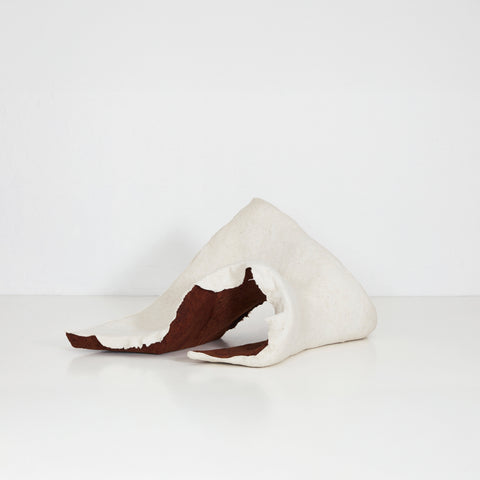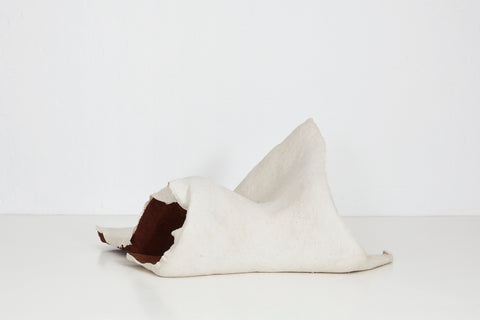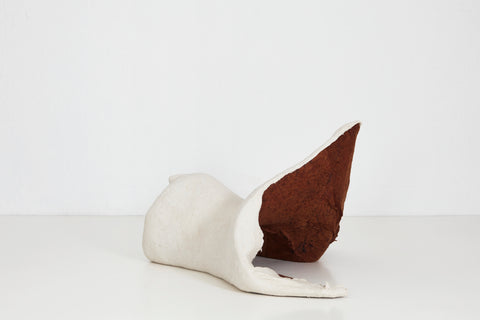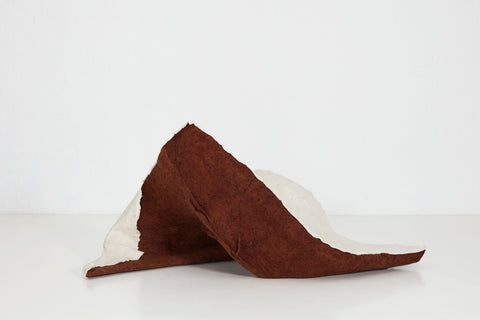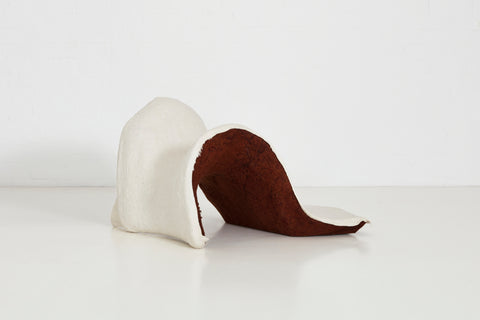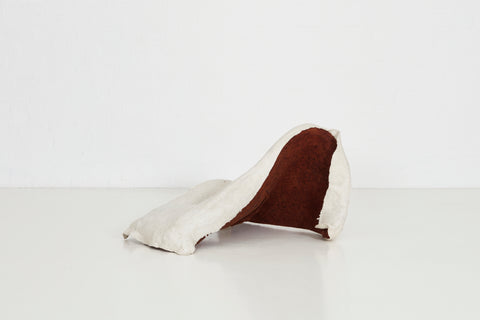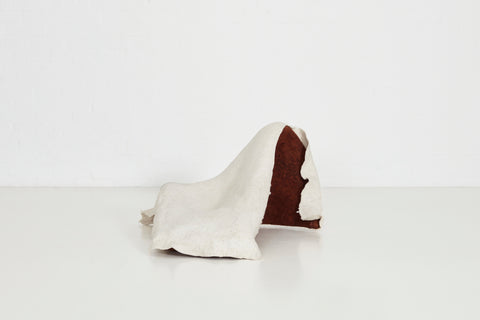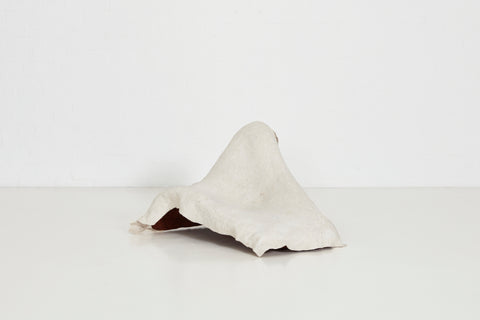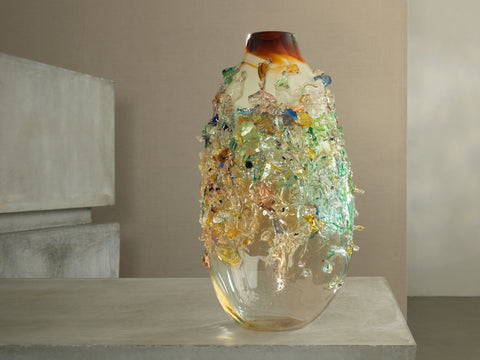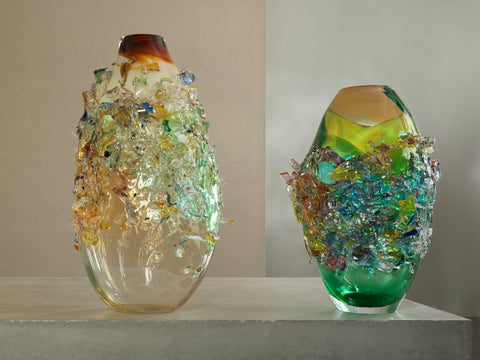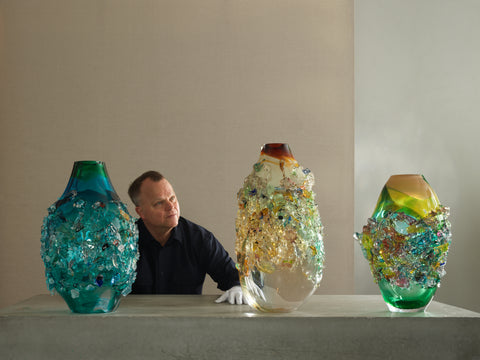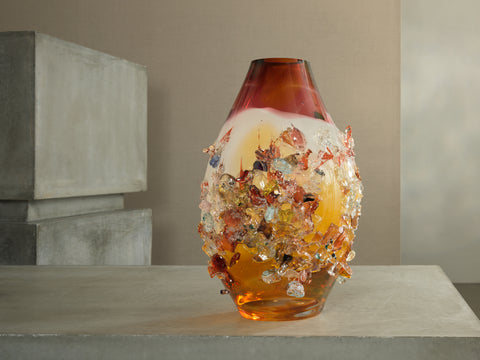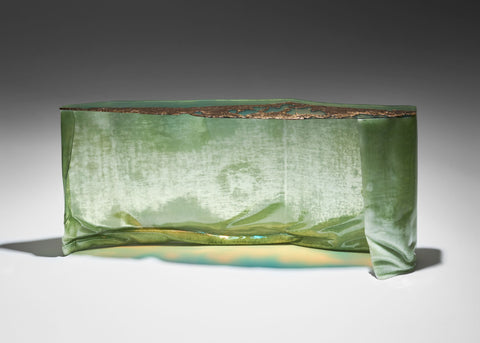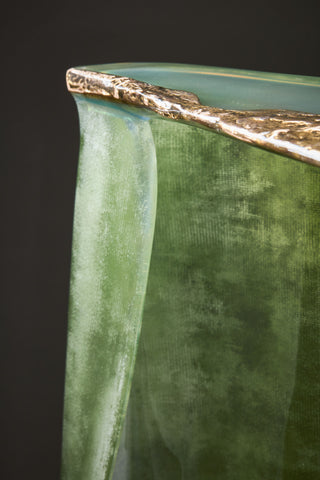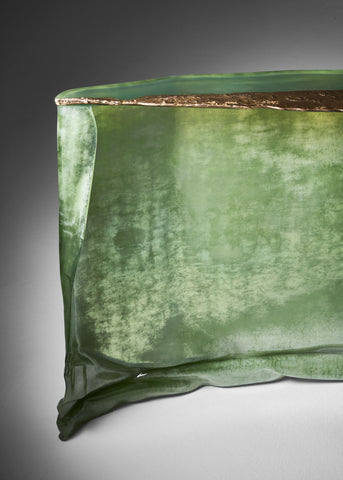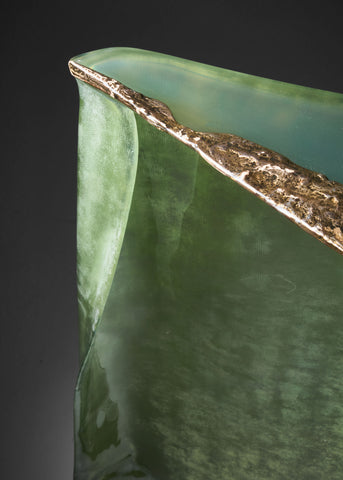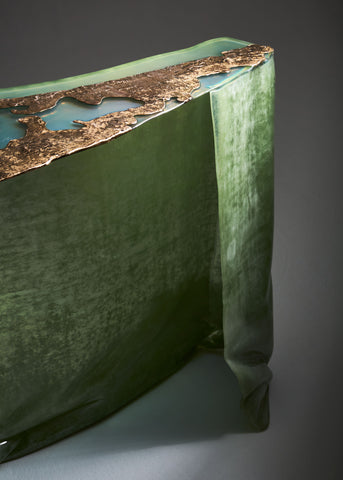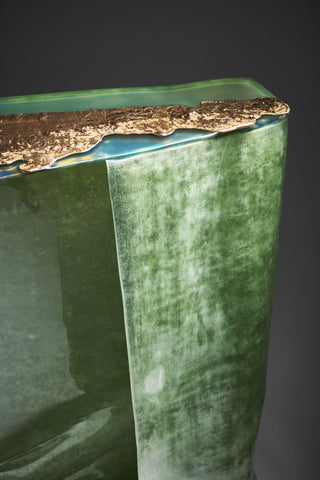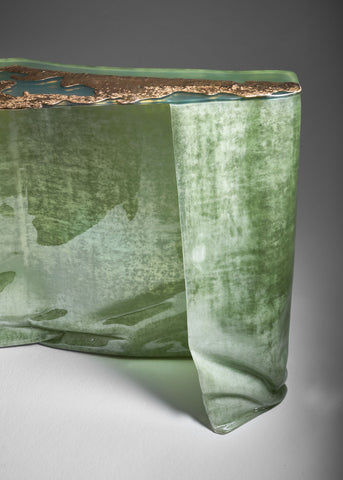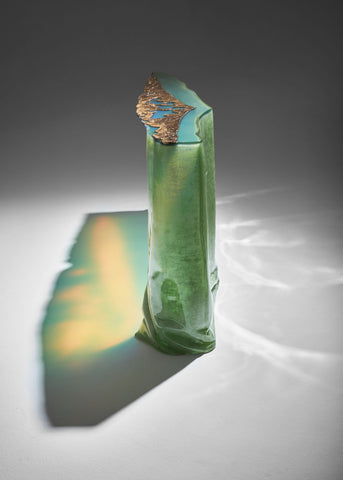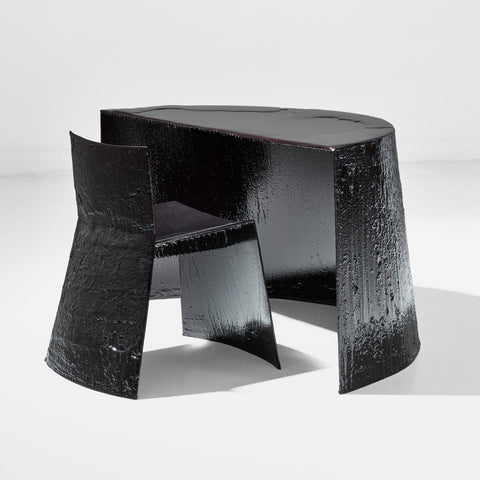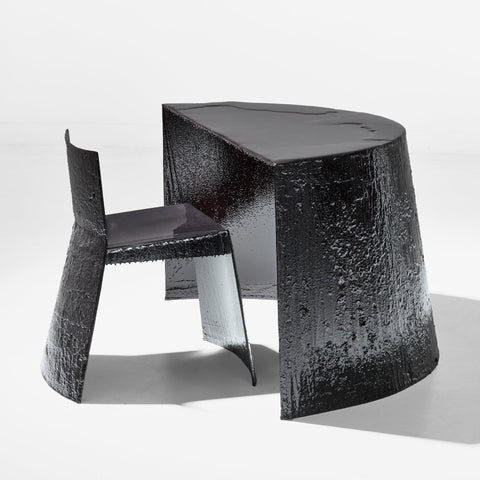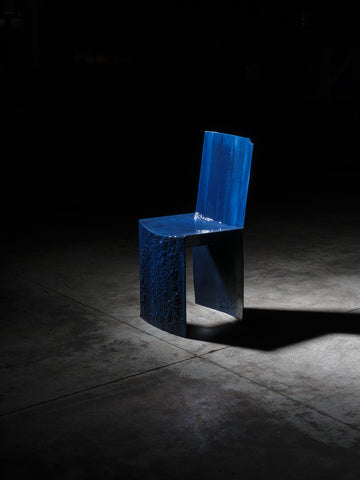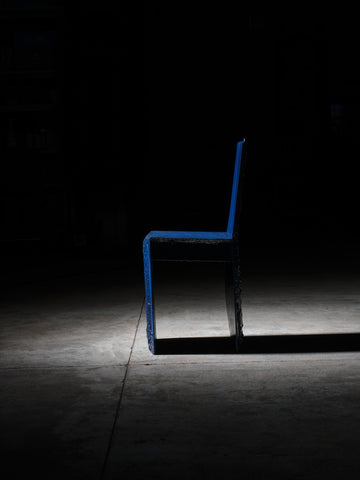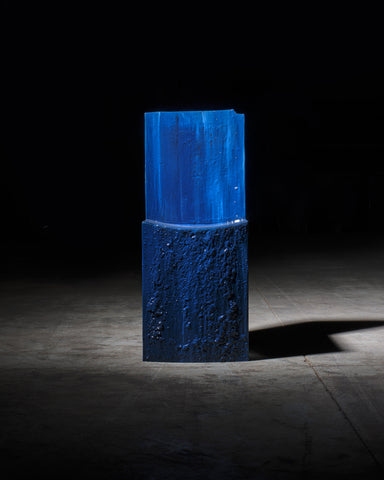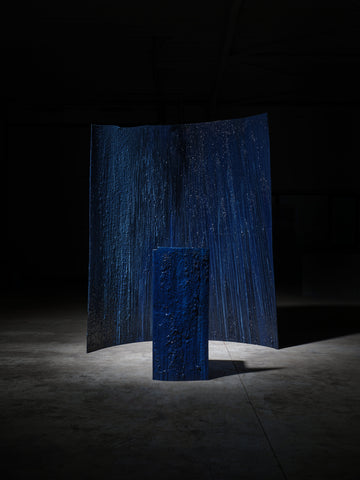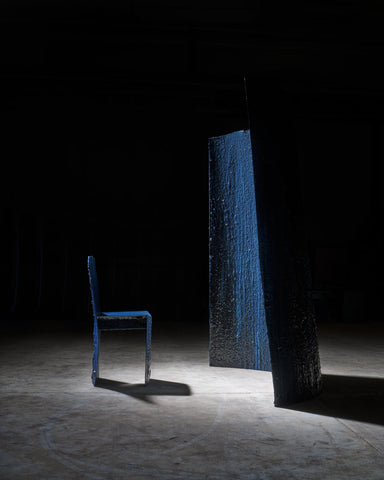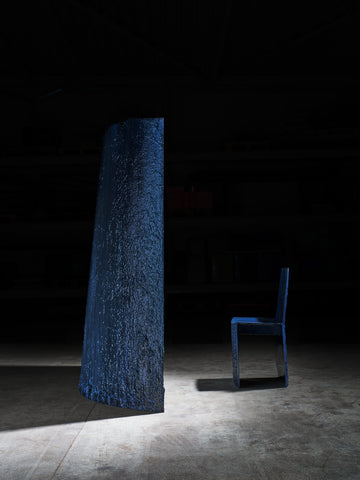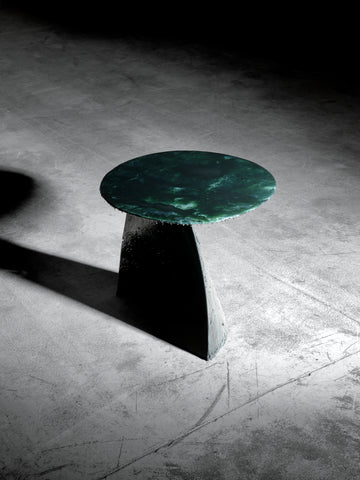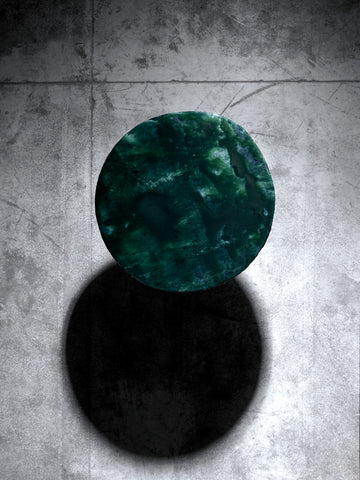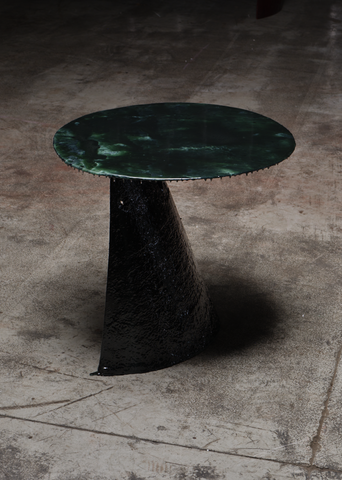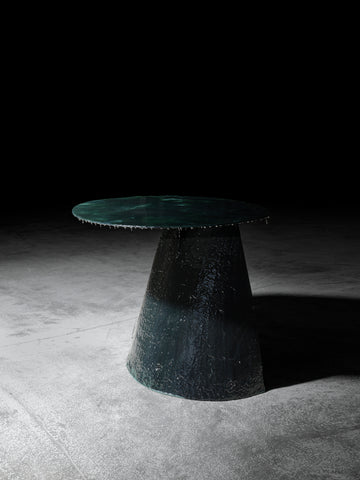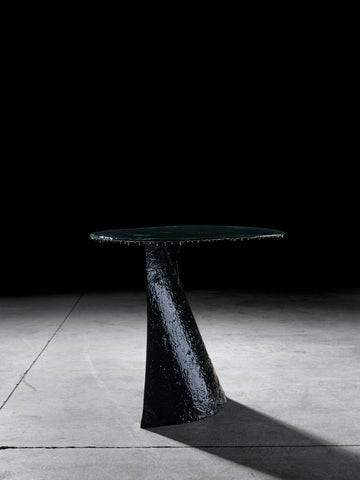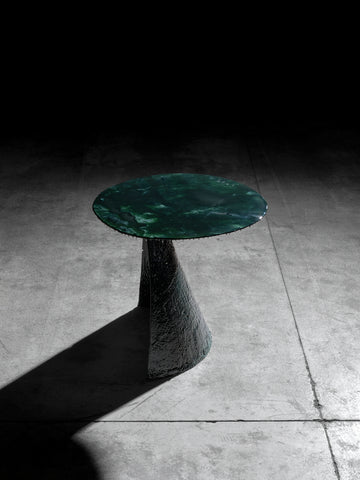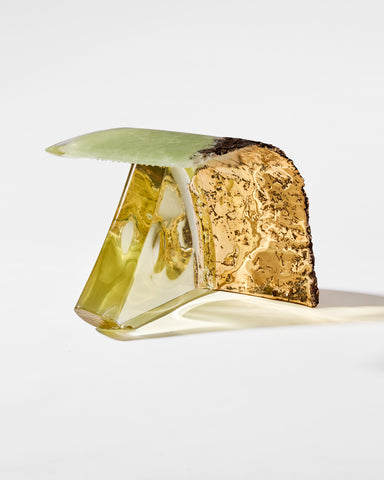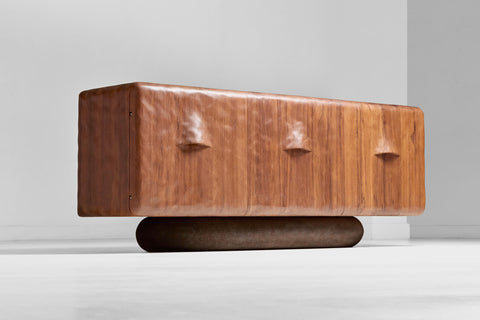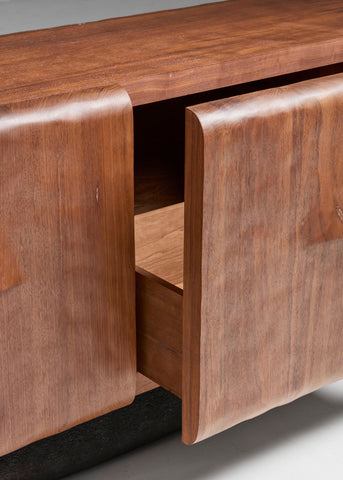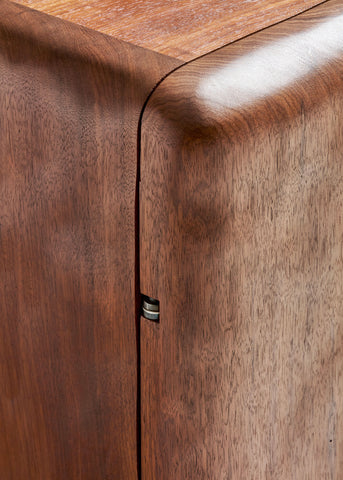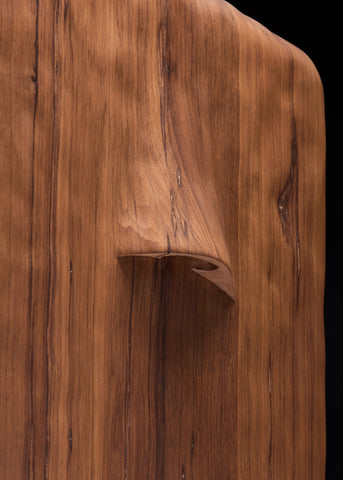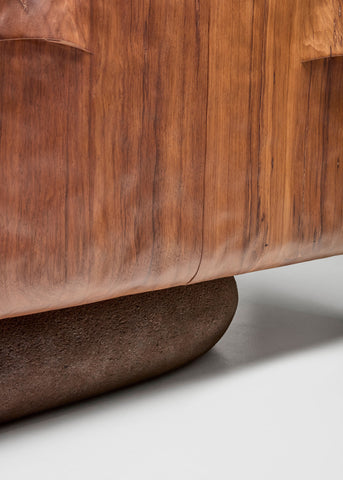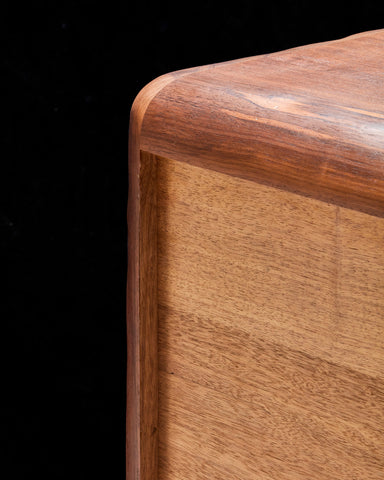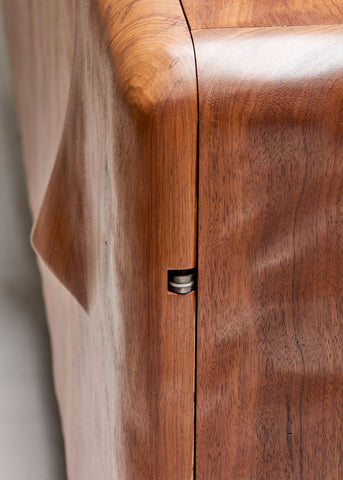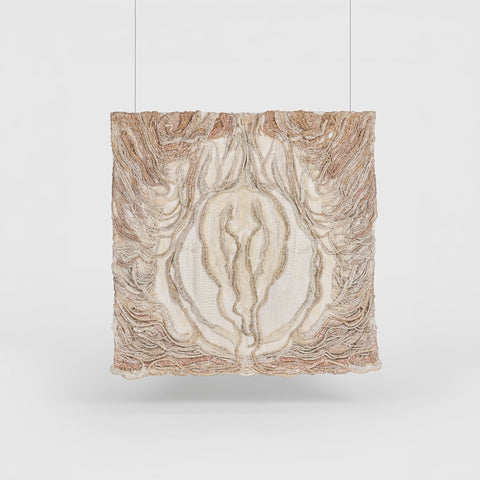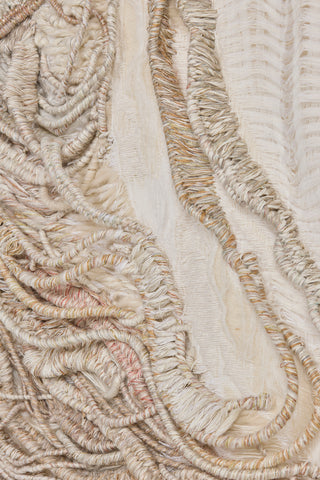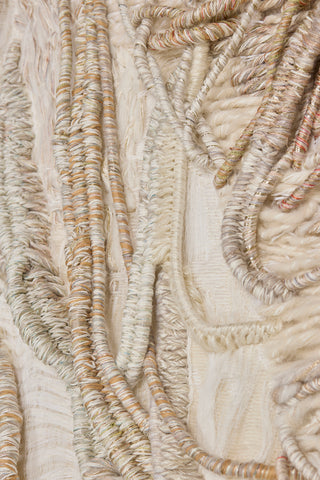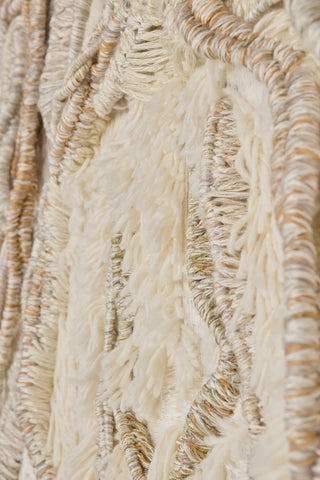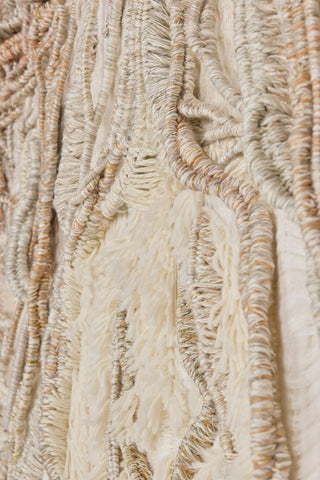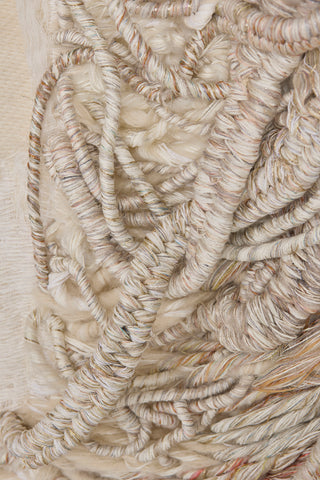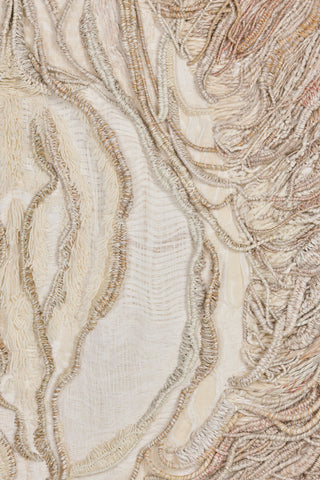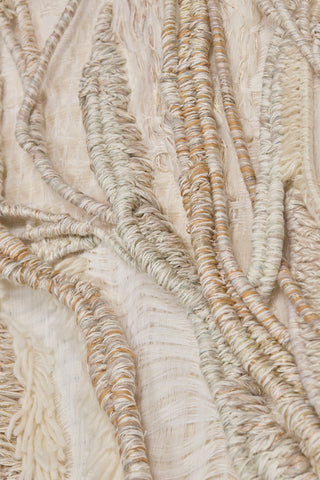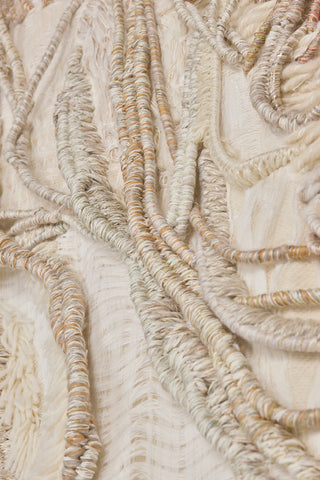

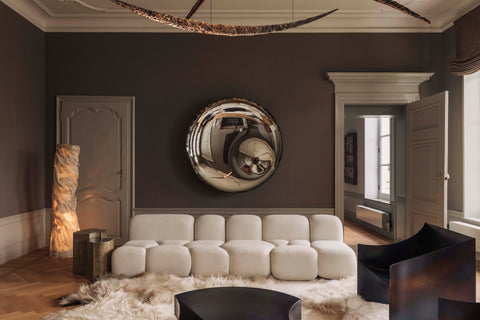
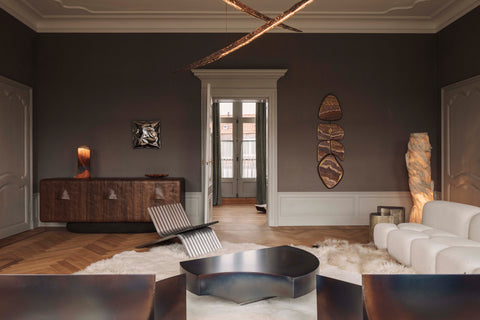
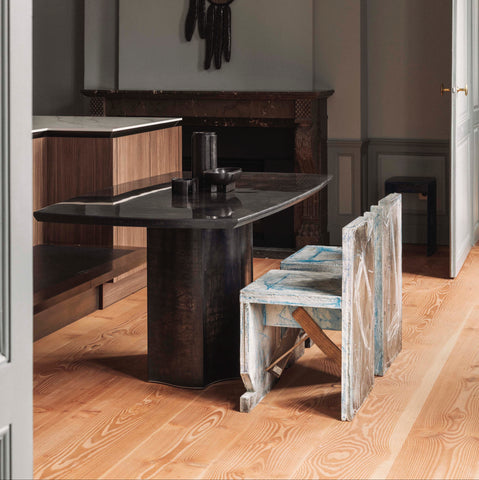
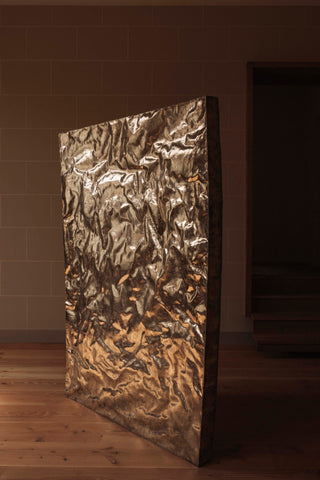
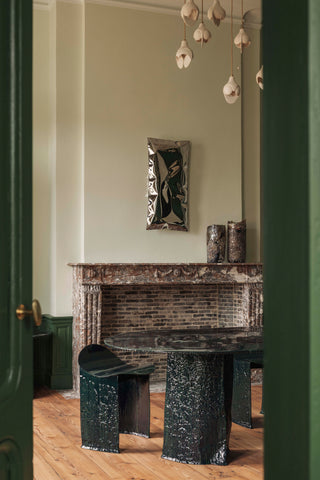
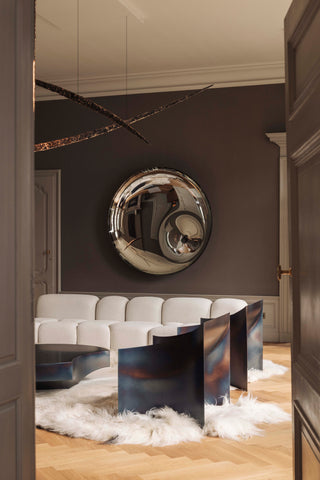
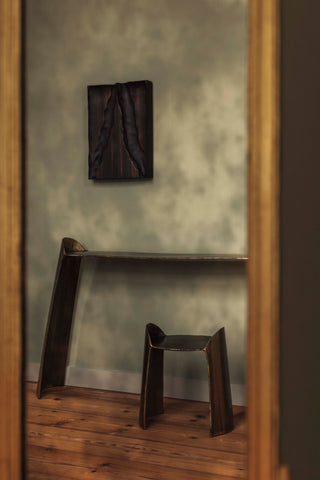
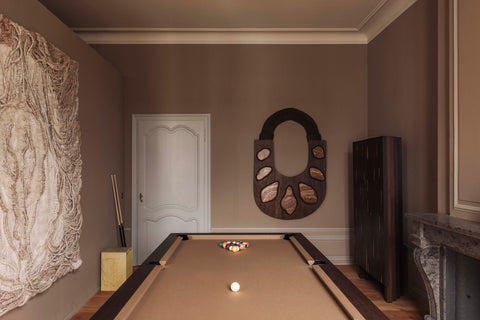
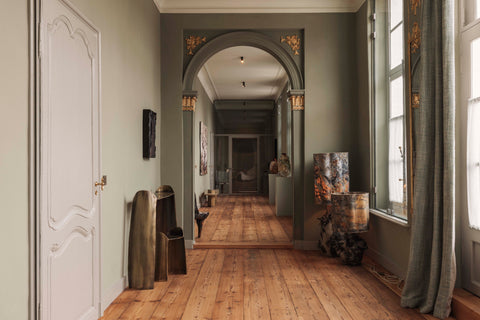
Set within a city palace built by craftsmen, shaped by the ornament of Hertogs and later refitted by the collector Smidt van Gelder, our showroom is home to what we think of as the antiques of the future. The pieces shown here are made today with the same intention, skill, and material honesty that once went into these rooms, and are meant to carry meaning a hundred years from now. Rather than a contrast between old and new, the space unfolds as a continuation, where the work of contemporary makers adds a new chapter to a story already written in its walls.
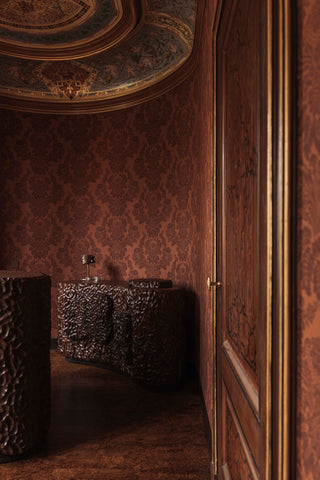
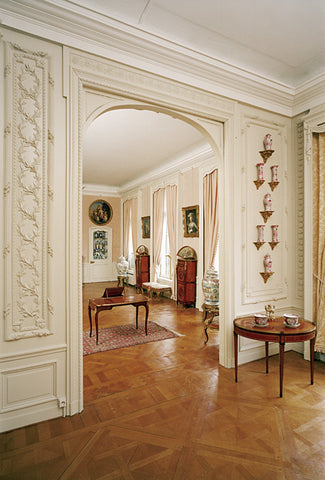
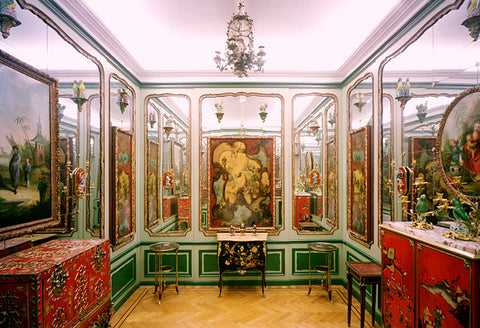
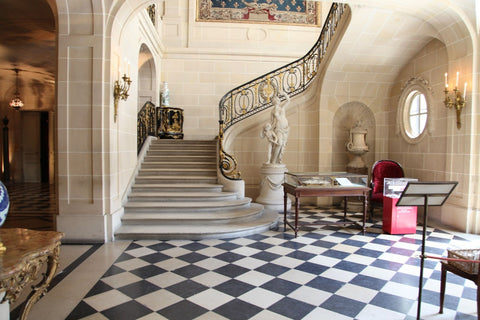
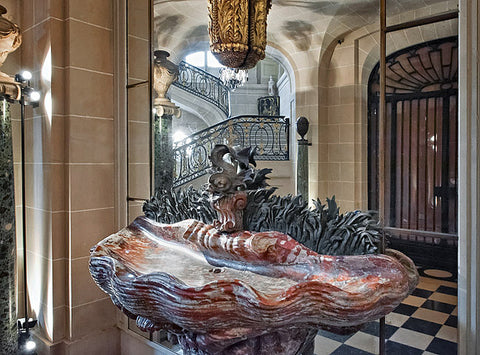
Nestled in the historic center of Bruges, alongside the Coupure canal, our new showroom occupies the apartments of the Hôtel d'Hanins de Moerkerke, a former 18th-century mansion built in 1765 following the canal's excavation. The building sets on ancient foundations of a Dominican monastery and once belonged to Pierre-Jacques d'Hanins de Moerkerke and Claire Diericx, a family whose prominence was bound to the inland shipping trade that made Bruges one of medieval Europe's great commercial metropoles. It was this mercantile activity that fueled the city's extraordinary cultural growth, most visibly preserved today in its Gothic architecture, a testament to the wealth, ambition, and artisanship of those who built it.
The choice of Bruges is deliberate: few cities in Europe have navigated change with such attentiveness to continuity. Its architectural philosophy treats the built environment not as a fixed relic but as a living document: one that embraces transformation while honoring original materials, construction techniques, and spatial memory. The city's urban fabric is a form of chronological layering, where each historical period leaves its mark without erasing what came before. It is a philosophy of deep respect for craft and authenticity, and one that cultivates everything we set out to do here.
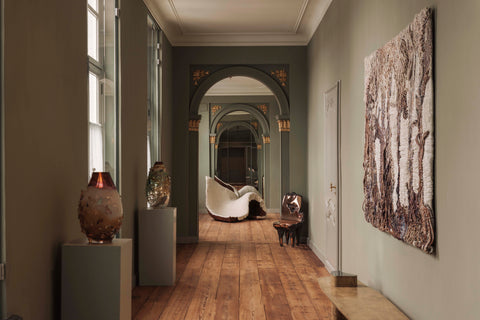
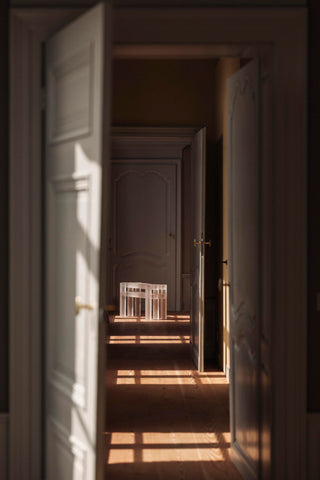
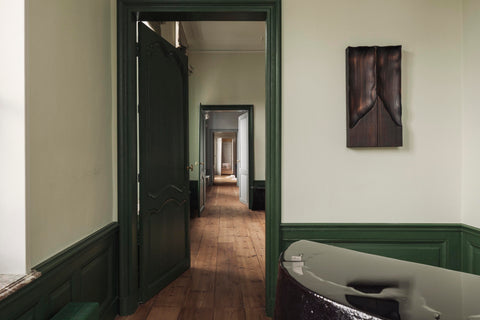
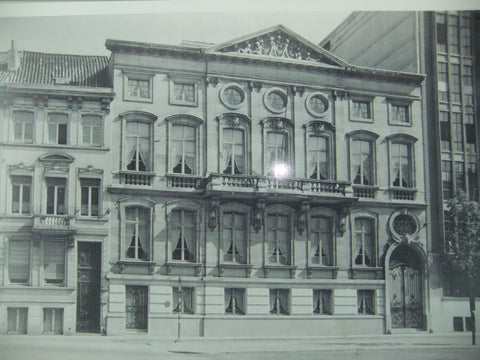
Our gallery now occupies a building that has, for over a century, been in the business of holding things: a family's fortune, a private collection, a public museum, the slow accretion of a city's institutional memory. Before that, it held nothing more than open fields on the edge of Antwerp, part of the old Antwerpse Vrijheid, until the Leopoldlei was cut through in 1859 and the land was opened to development. A pair of modest semi-detached townhouses went up on the plot in 1867: the first structures the site had ever known, and, in hindsight, the seed of everything that followed. In 1900, one of those houses received a more decorative front under the architect Joseph Hertogs, commissioned by the industrialist Keunen who then owned it. It was a modest gesture compared to what came next, but it was the first time this particular architect put his hand to this particular address, and it would not be the last.
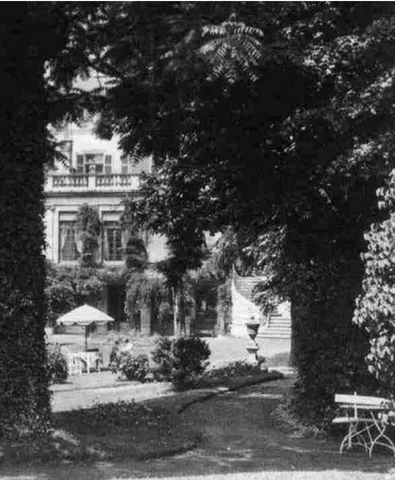
The house as we know it was born from craft. When the banker Edouard Thijs-Cateaux bought and merged the two townhouses in 1905, he brought Hertogs back to do more than decorate, to rebuild the place whole, inside and out, as a single grand mansion in an eclectic style drawn from the great Parisian hôtels particuliers of the century before. Thijs was not a man short of ambition elsewhere either: a founding figure behind what became the Générale Bankmaatschappij, involved in the city's electricity and tram companies, and one of the organisers behind Antwerp's Olympic Games and World's Fair. The house he commissioned was, in its way, a piece of that same appetite for building institutions that last: reception rooms in neoclassical and neo-rococo dress, marble mantels, gilded woodwork, silk on the walls, a garden behind it large enough to hold its own romantic folly in the style of Marie-Antoinette's hameau. Every element of that house was made by someone, for a reason, in a style meant to say something about the moment it was built in.
History
Our gallery now occupies a building that has, for over a century, been in the business of holding things: a family's fortune, a private collection, a public museum, the slow accretion of a city's institutional memory. Before that, it held nothing more than open fields on the edge of Antwerp, part of the old Antwerpse Vrijheid, until the Leopoldlei was cut through in 1859 and the land was opened to development. A pair of modest semi-detached townhouses went up on the plot in 1867: the first structures the site had ever known, and, in hindsight, the seed of everything that followed. In 1900, one of those houses received a more decorative front under the architect Joseph Hertogs, commissioned by the industrialist Keunen who then owned it. It was a modest gesture compared to what came next, but it was the first time this particular architect put his hand to this particular address, and it would not be the last.
The house as we know it was born from craft. When the banker Edouard Thijs-Cateaux bought and merged the two townhouses in 1905, he brought Hertogs back to do more than decorate, to rebuild the place whole, inside and out, as a single grand mansion in an eclectic style drawn from the great Parisian hôtels particuliers of the century before. Thijs was not a man short of ambition elsewhere either: a founding figure behind what became the Générale Bankmaatschappij, involved in the city's electricity and tram companies, and one of the organisers behind Antwerp's Olympic Games and World's Fair. The house he commissioned was, in its way, a piece of that same appetite for building institutions that last: reception rooms in neoclassical and neo-rococo dress, marble mantels, gilded woodwork, silk on the walls, a garden behind it large enough to hold its own romantic folly in the style of Marie-Antoinette's hameau. Every element of that house was made by someone, for a reason, in a style meant to say something about the moment it was built in.
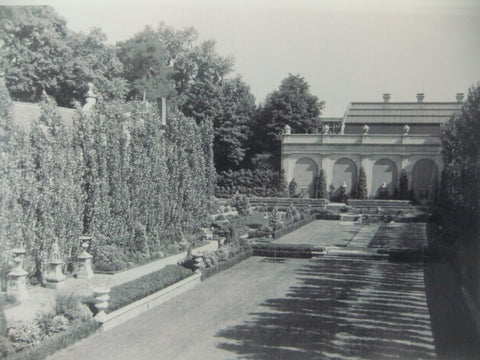
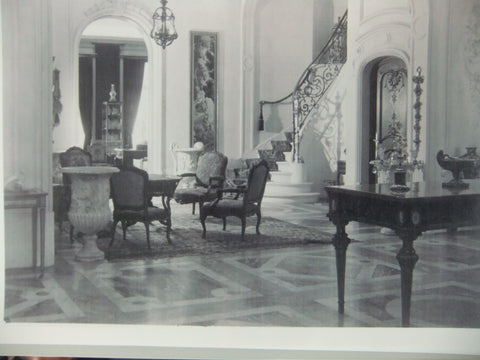
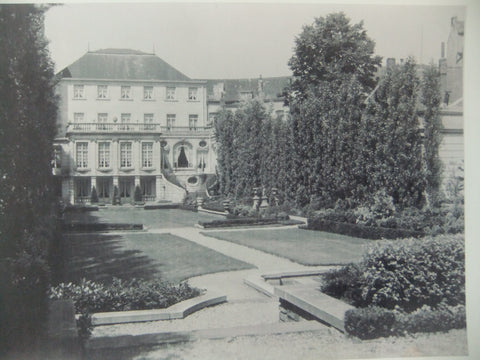
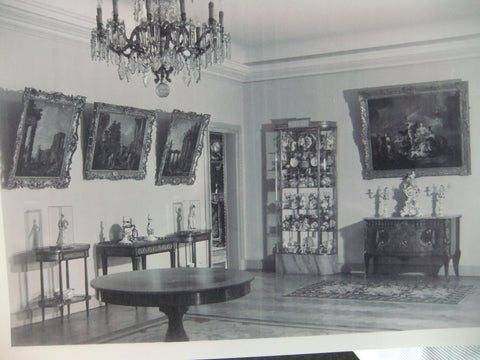
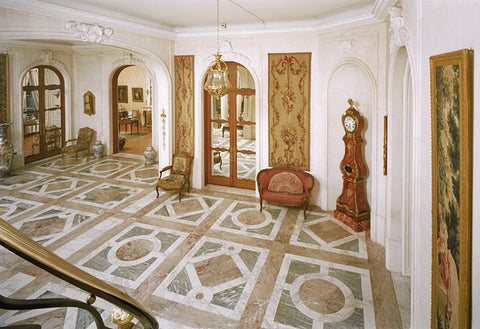
Then, in 1937, the house changed function without losing that instinct. Pieter Smidt van Gelder, a collector wealthy enough to save the building from demolition simply by buying it, did not move in so much as move his collection in, and had architect Edouard De Winter reshape the interior around the objects themselves: panelling flattened and simplified, walls softened under gold-brown velvet, doors removed so that circulation served the collection rather than the household, light redirected through new indirect cove fixtures so that what mattered was what stood in the room, not the room around it. Even the garden was remade in that spirit: a strikingly modern, walled, Mediterranean-toned design laid out in 1940 by the landscape architect George Wachtelaer, austere and architectural in a way that still, remarkably, survives largely intact. It was, long before we arrived, a house already organised around the display of considered, collected things.
What followed was not a straight line. Smidt van Gelder gave the building and his entire collection to the City of Antwerp in 1949; it opened as a public museum the following spring, and went on receiving small adjustments and civic use for decades. A fire broke out on the first floor in 1987 and spread through adjoining rooms, and the museum never fully recovered its public rhythm afterward, restoration campaigns started and stalled through the 1990s, an ambitious redesign in 1999 uncovered structural problems worse than anyone had planned for, and the building was formally protected as a monument in 2002 largely to hold it steady while its future was worked out. It stood empty, waiting, for years more before renovation finally began a few years ago. That history of stalling and starting again has only added to the building's character rather than erasing it: what survives today is a building that has been rebuilt, reconsidered, and repaired by hand more than once, in a city that has never stopped valuing the people who know how to do that work.
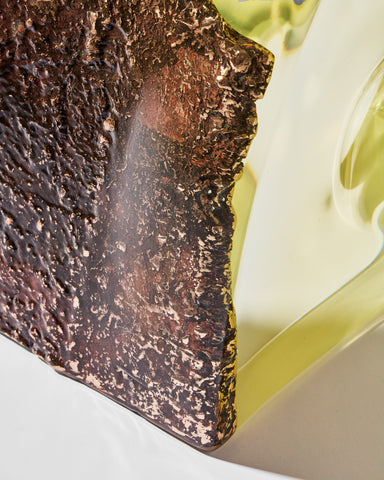
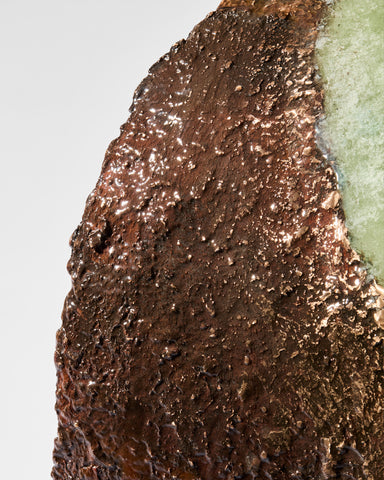
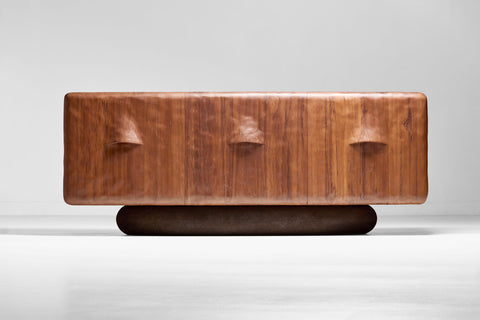
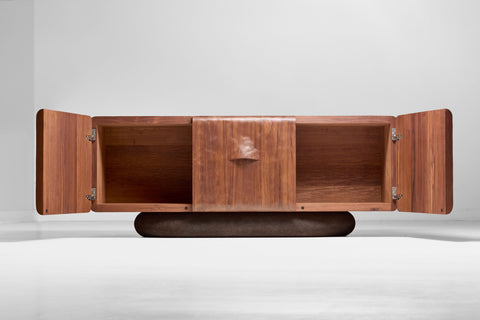
We think of the pieces we show as the antiques of the future: objects made today with the same intention, skill, and material honesty that once went into a room like this one, and that will still carry meaning in a hundred years. Placing them inside a building shaped by Hertogs' ornament and Smidt van Gelder's eye for collecting is not a stylistic contrast so much as a continuation: a city palace built by craftsmen, refitted by a collector who thought as we do, now home to the work of craftsmen still working. The narrative was already here. We have simply moved in to keep adding to it.
Bruges
Explore all