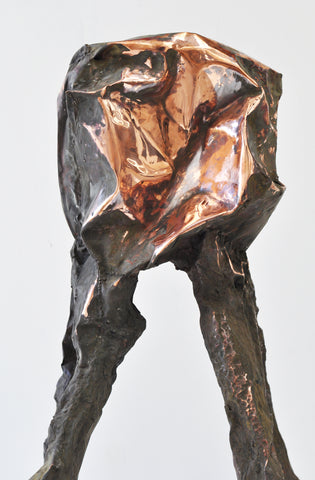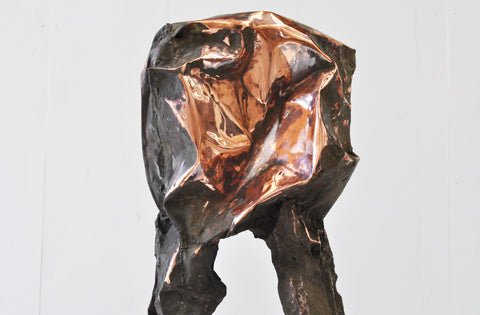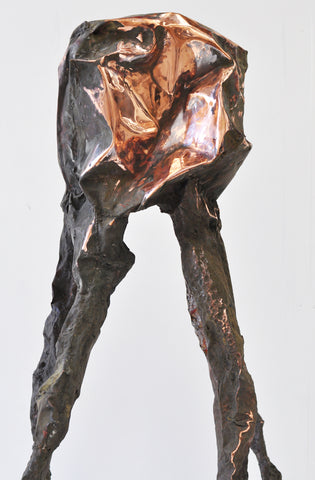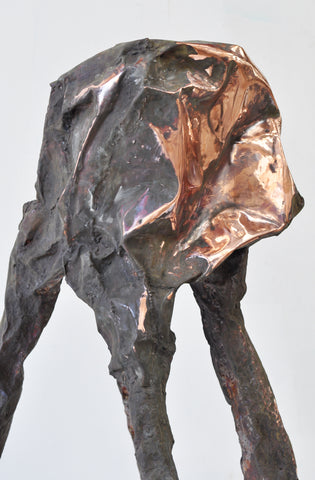

Images by Tijs Vervecken
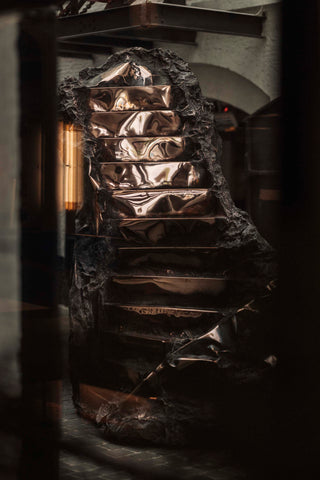
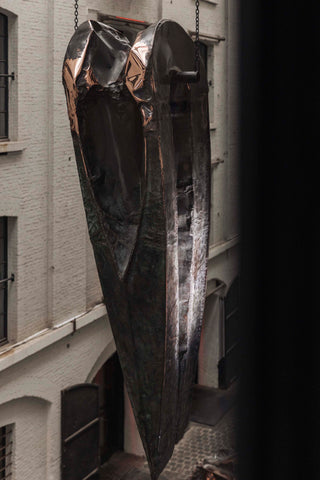
"My Boat is Bent, This Stairway Leads to Heaven and I Swing on Meteoric Dreams" is presented on occasion of Antwerp Art Weekend
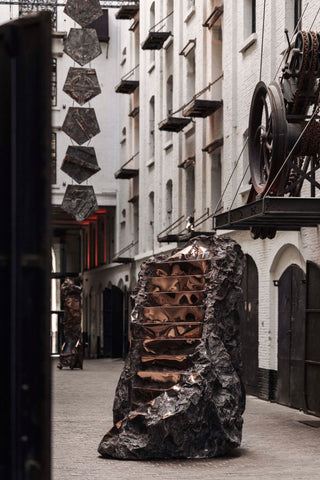
My Boat Is Bent, This Stairway Leads to Heaven and I Swing on Meteoric Dreams
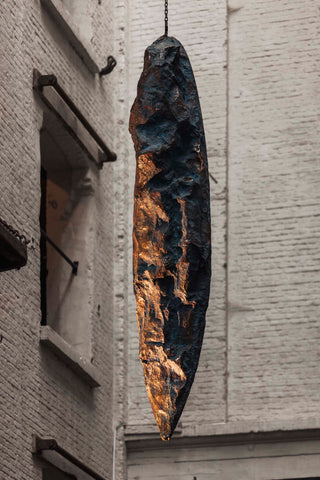
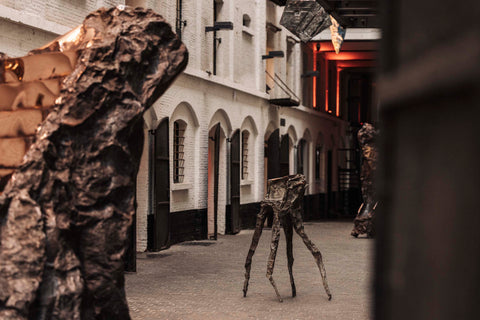
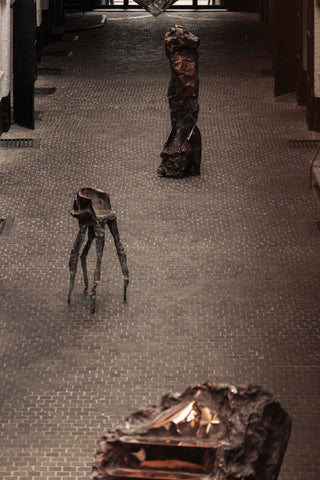
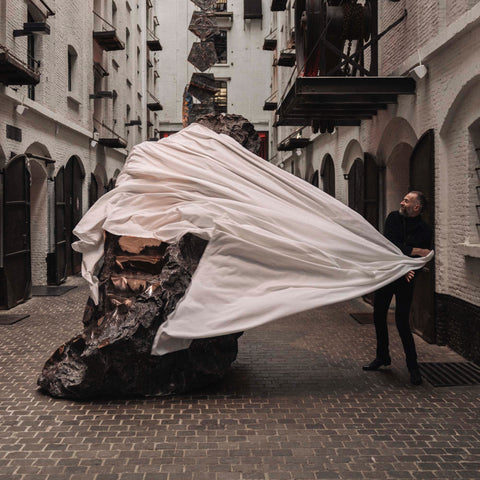
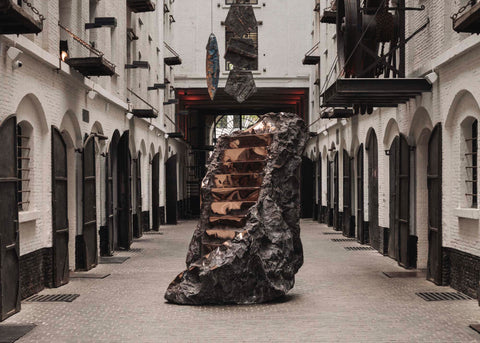
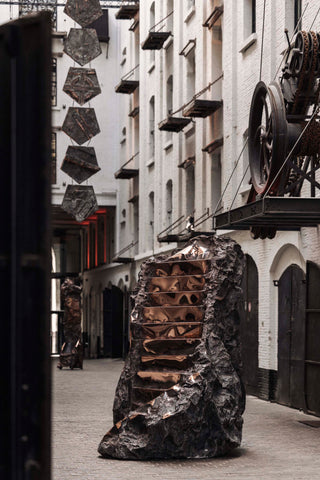
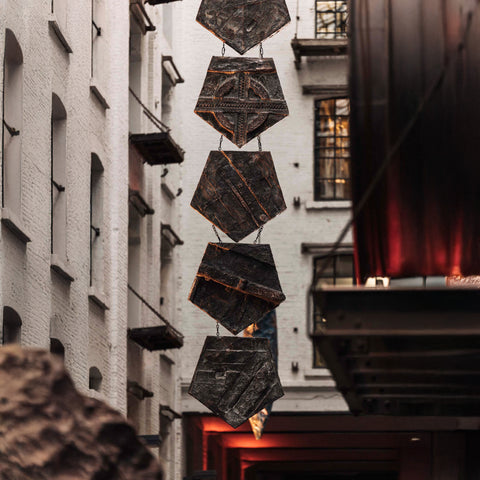
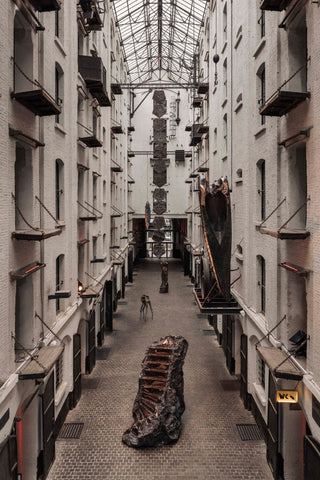
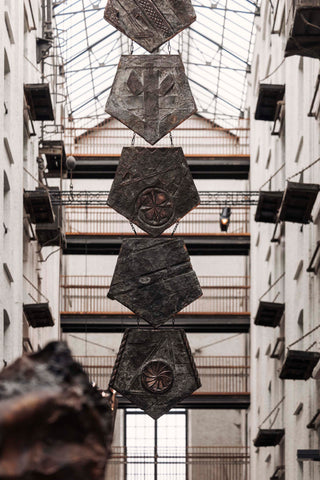
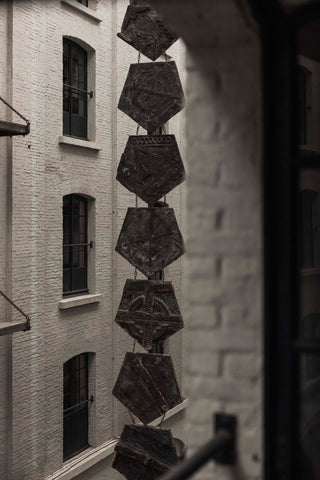
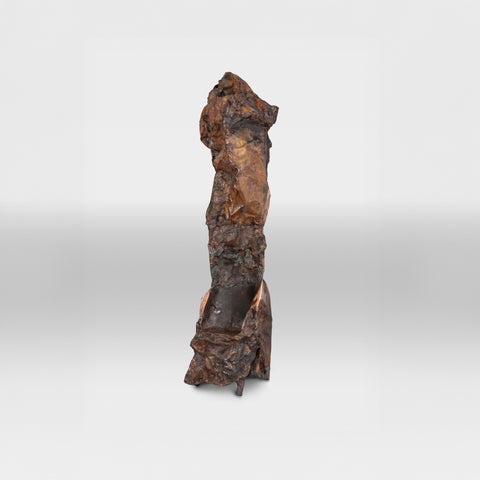
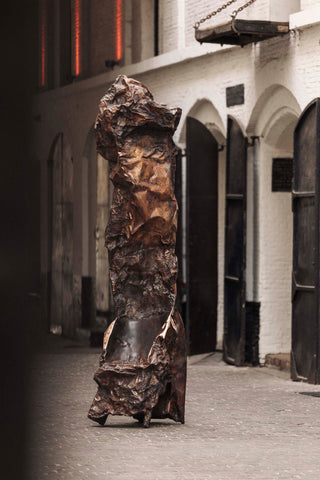
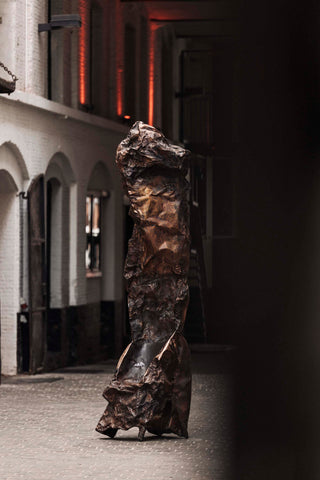
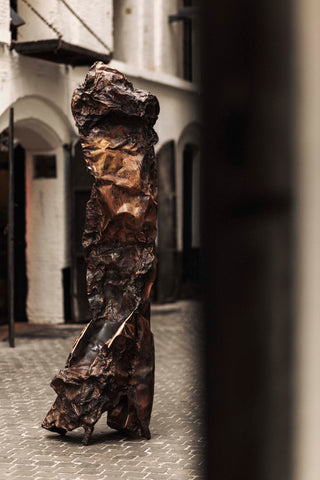
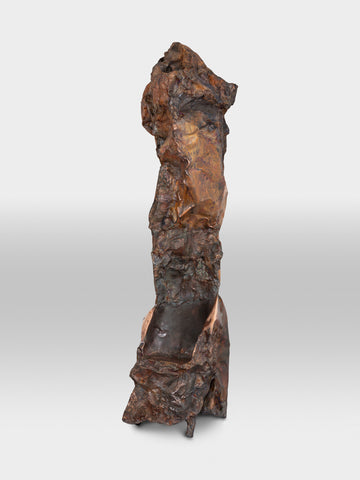
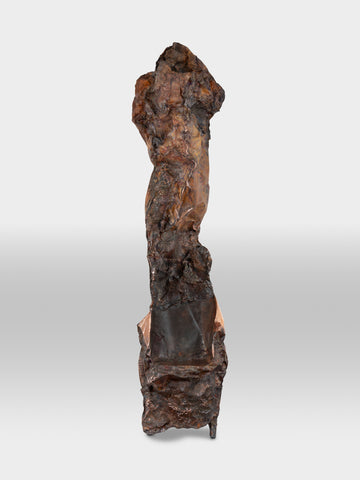
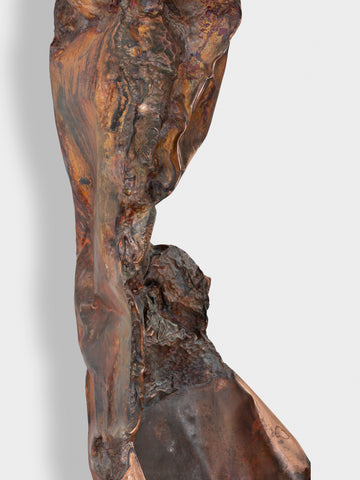
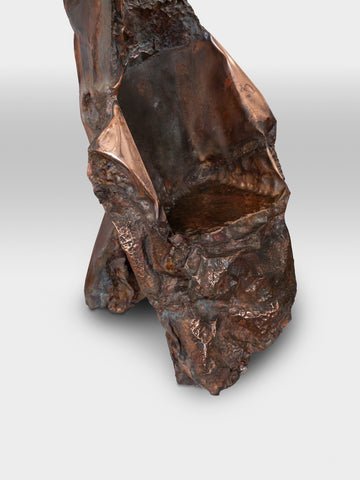
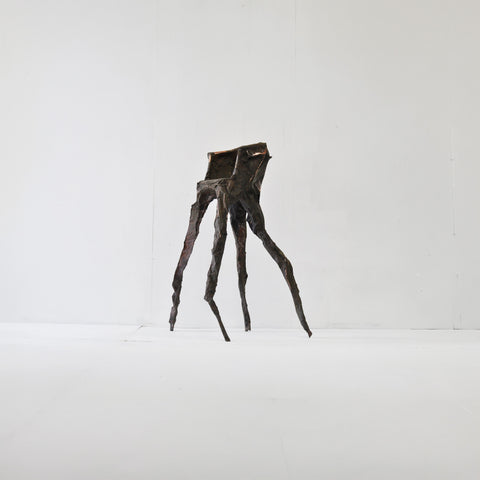
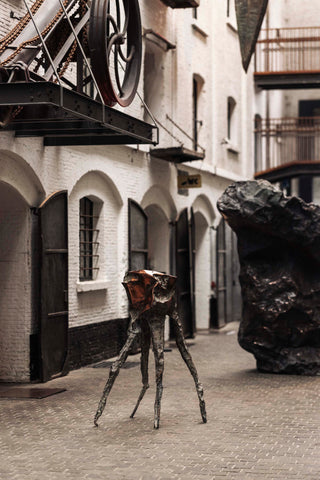
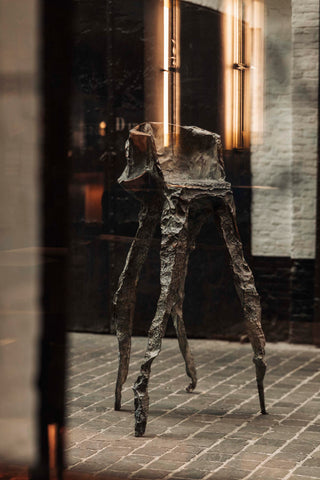
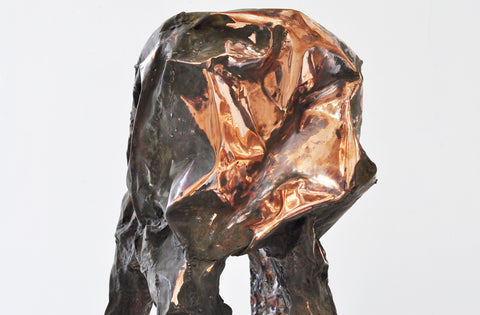
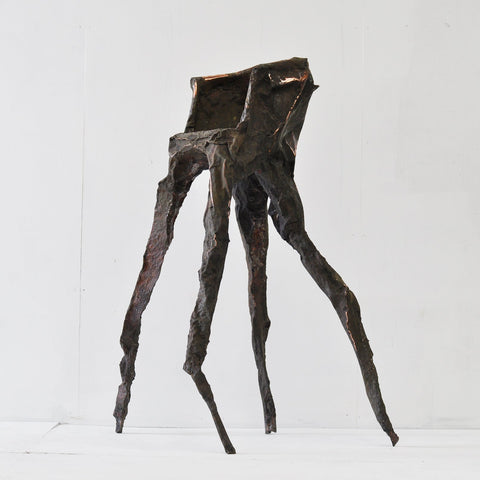
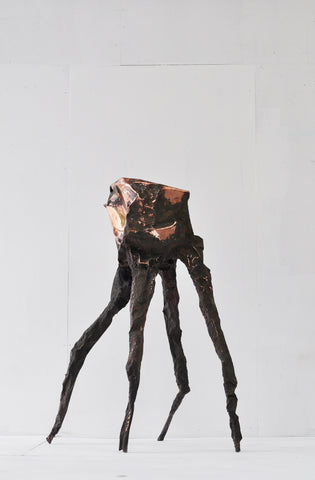
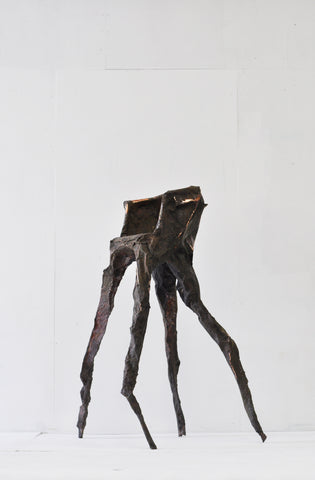
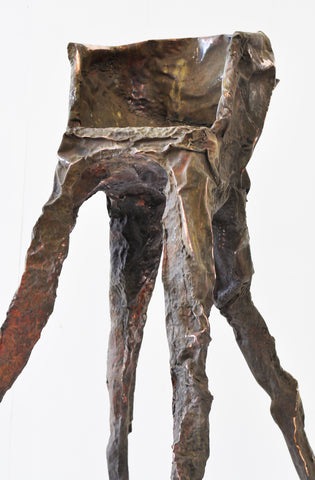
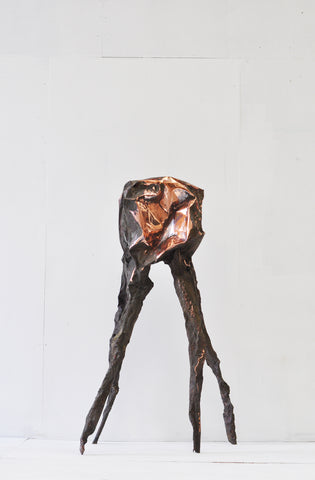
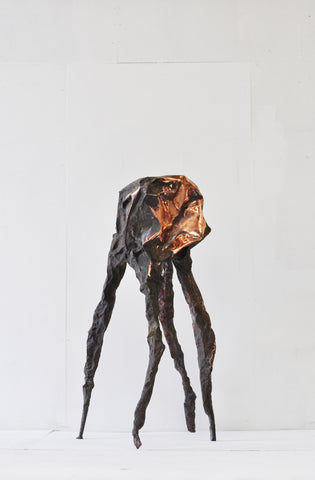
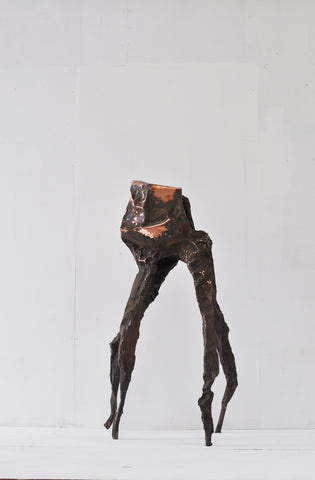
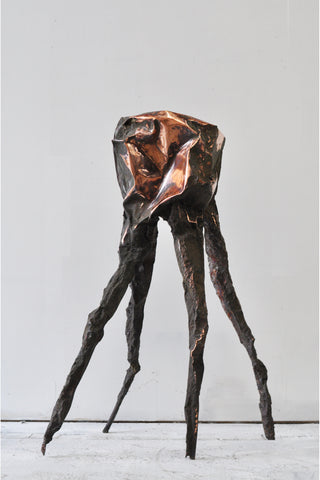
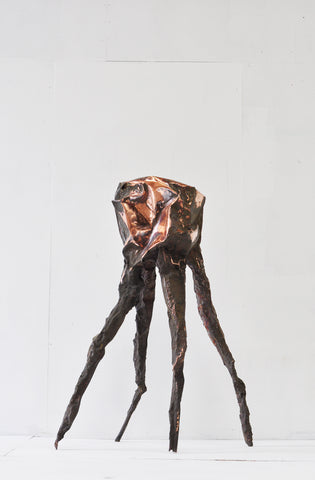
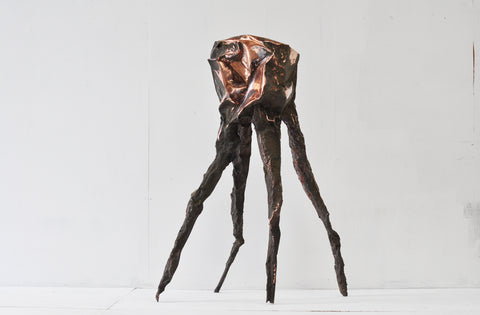
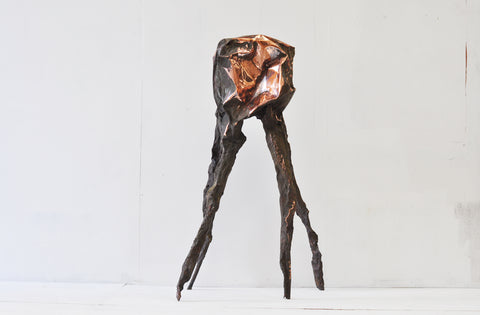
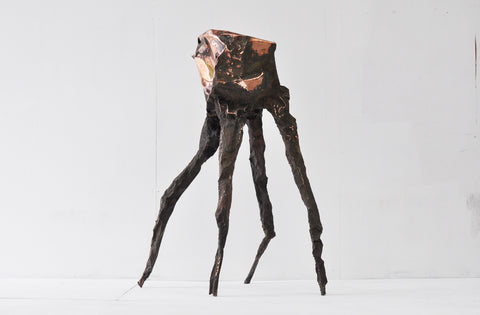
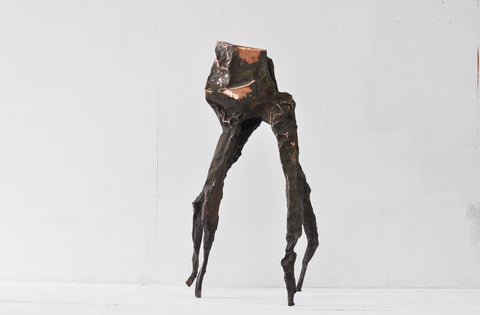
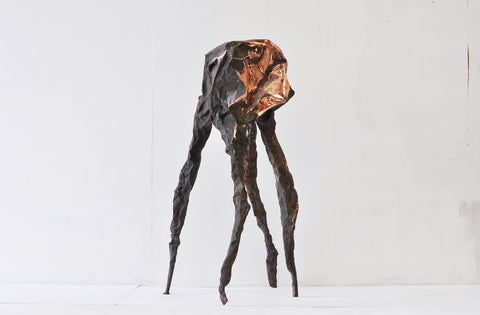
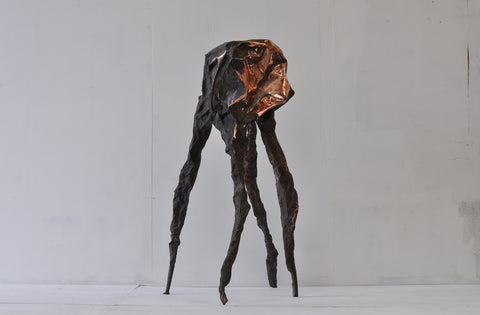
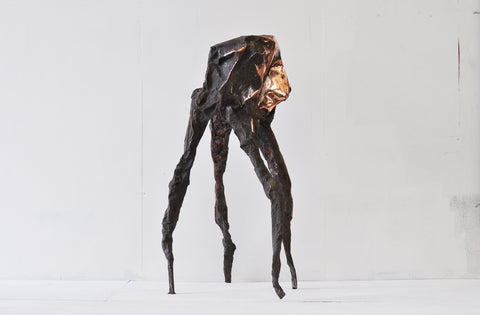
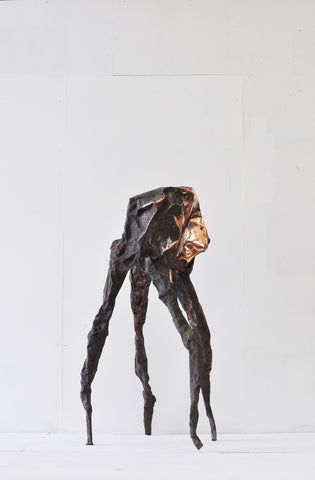
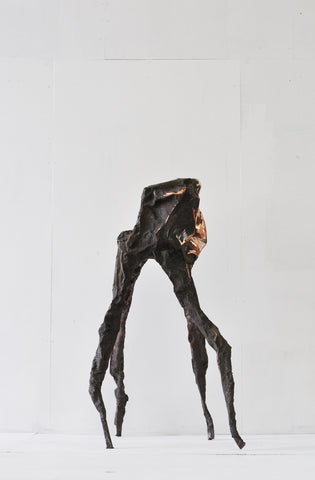
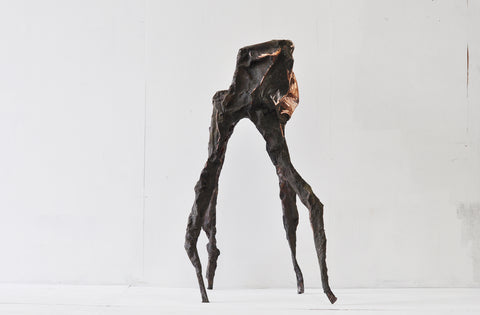
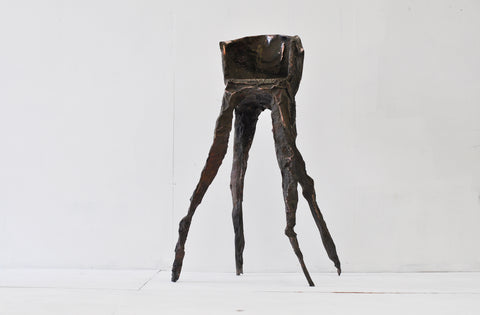
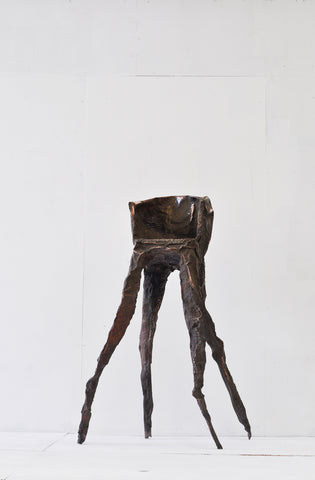
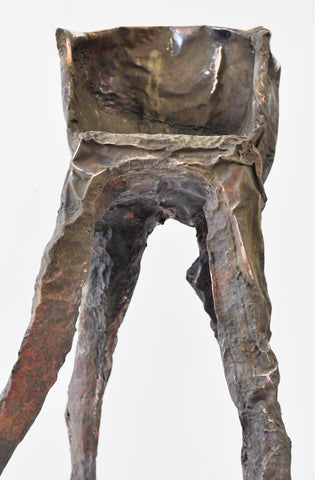
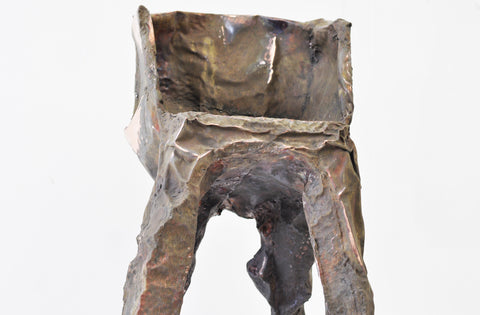
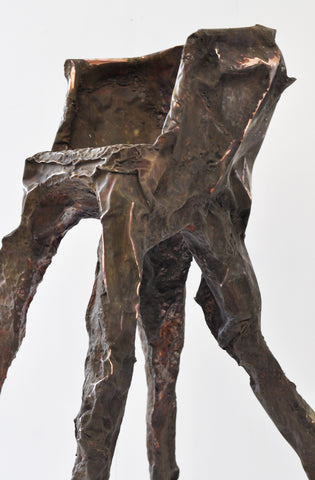
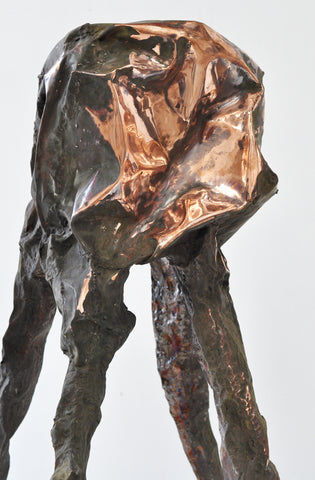
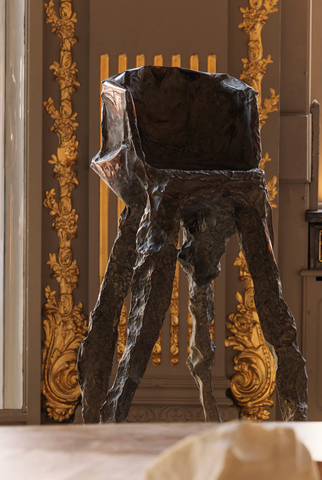
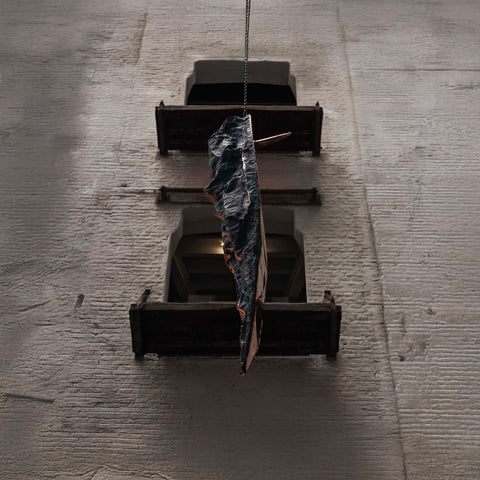
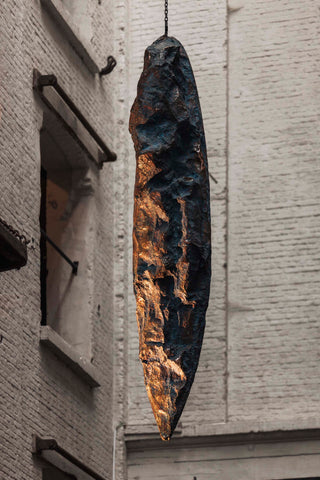
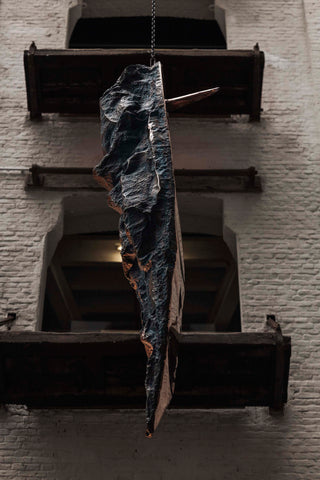
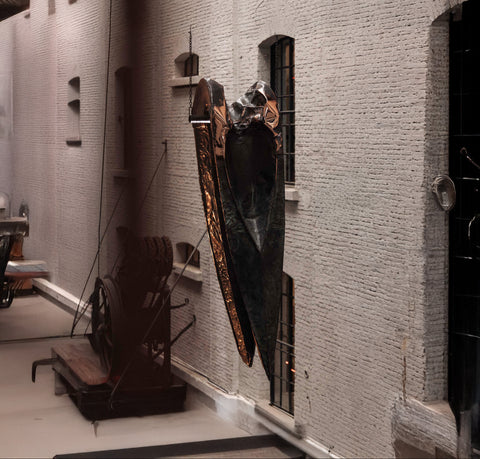
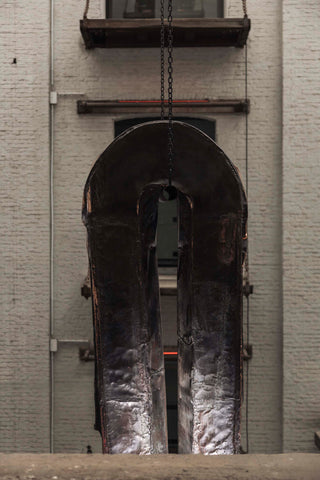
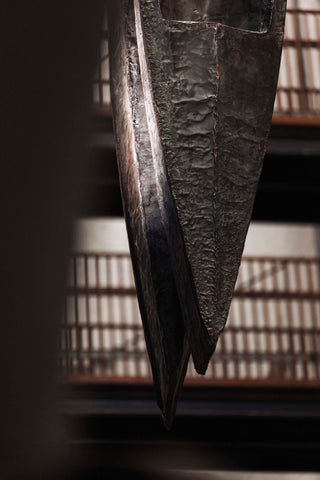
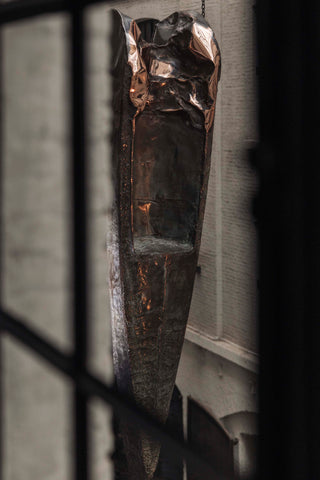
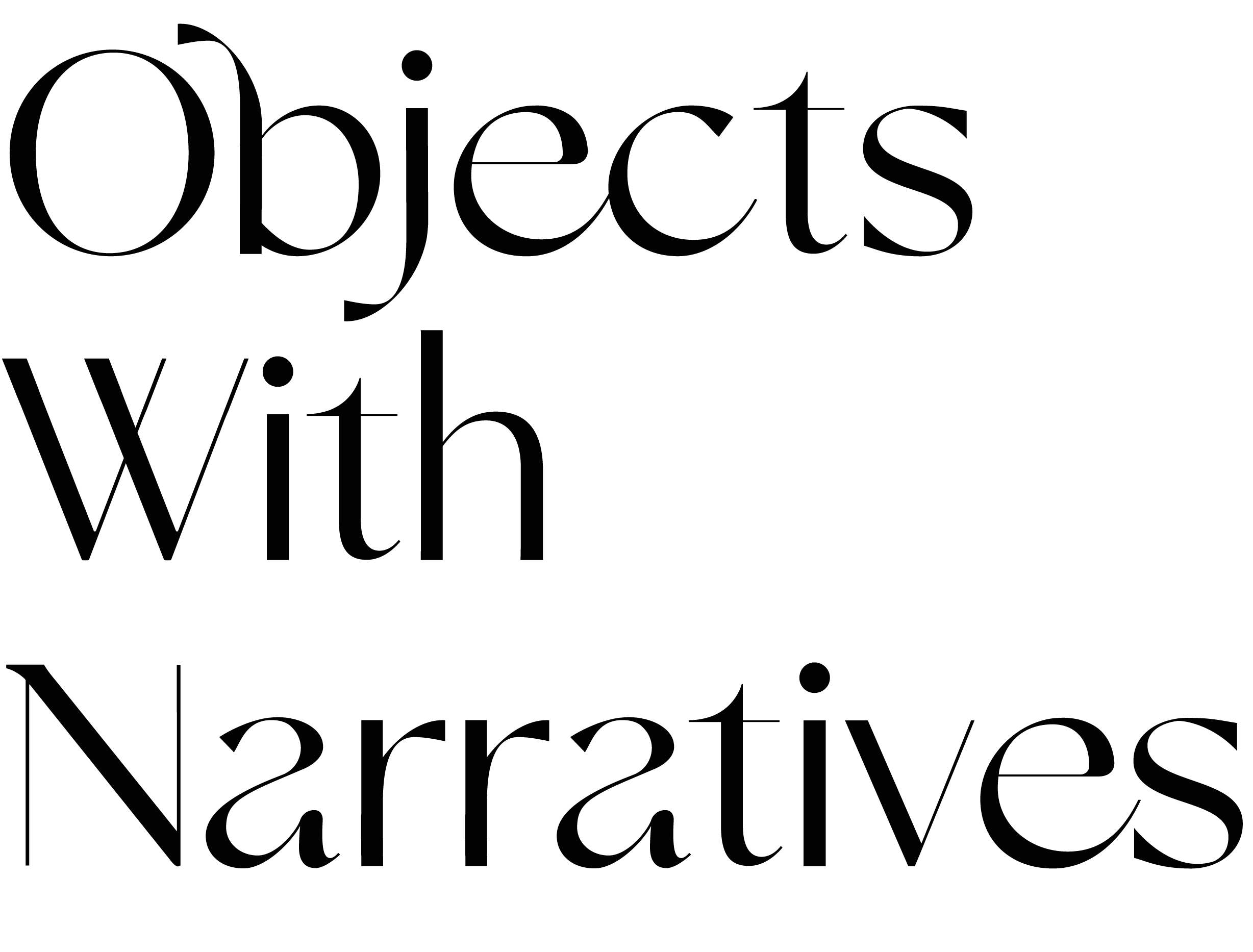
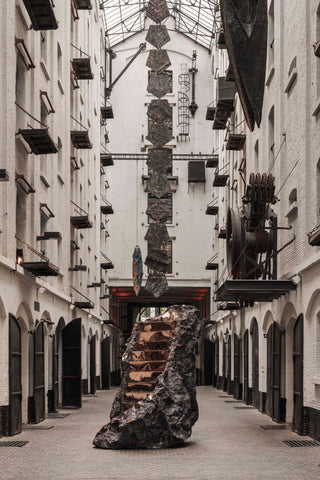
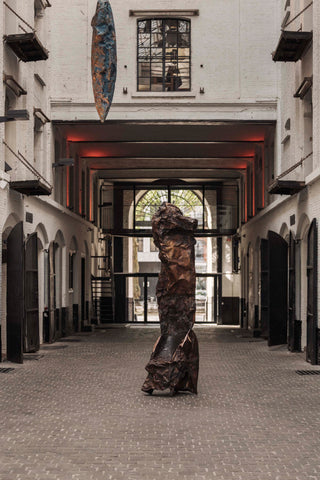
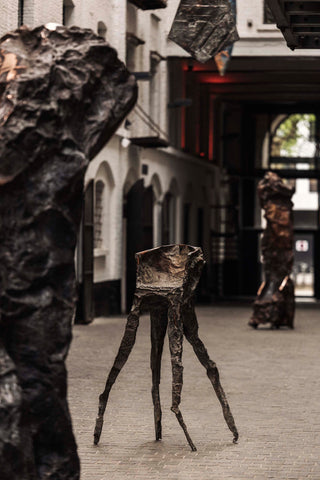
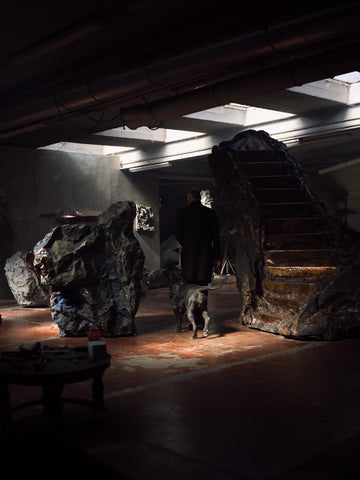
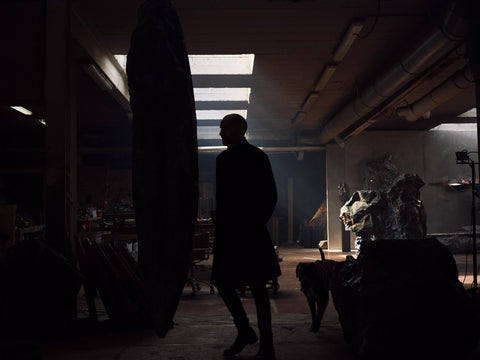
In My boat is bent, this stairway leads to heaven and I swing on meteoric dreams, Marius Ritiu constructs a speculative environment where gravity seems negotiable and matter remembers having been something else in a previous galaxy. At the center of the space stand three monumental sculptures in hand-hammered copper. They do not illustrate a story. They appear as if they have landed mid sentence.
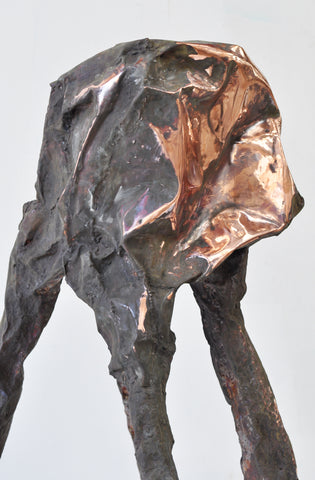
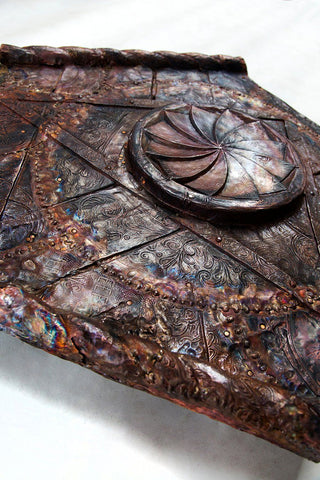
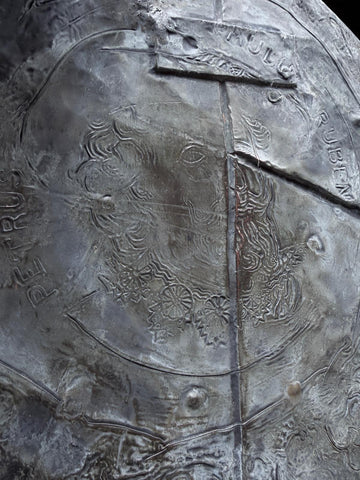
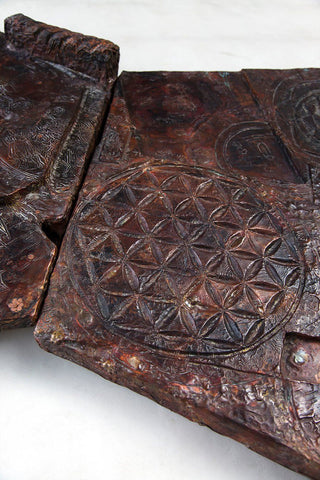
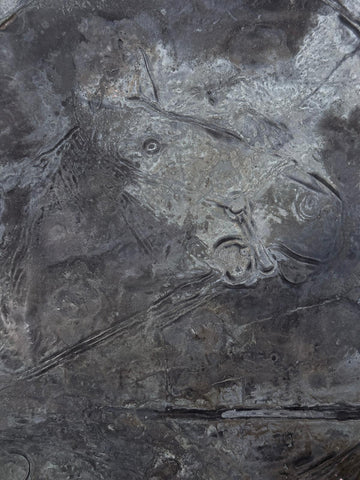
The first form resembles a vessel that has survived a cosmic detour. Its curvature makes one think that time itself pressed a thumb into its side. It feels less like a boat meant for water and more like a craft designed to navigate density, memory, or the heavy atmosphere of doubt. The copper surface carries the marks of repeated blows, a constellation of gestures that record labor as rhythm. It is both relic and prototype.
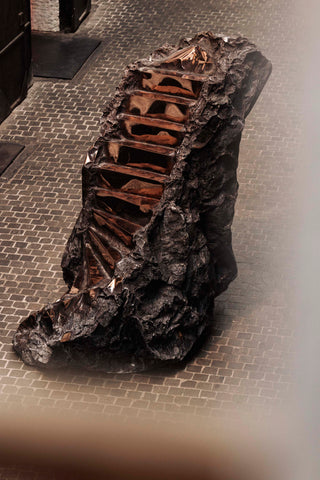
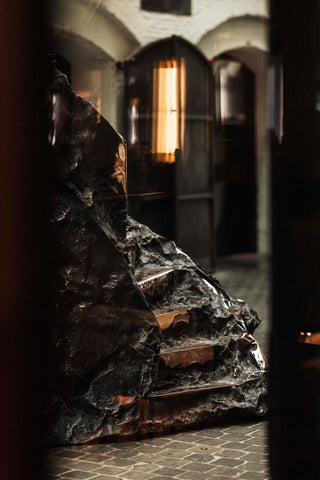
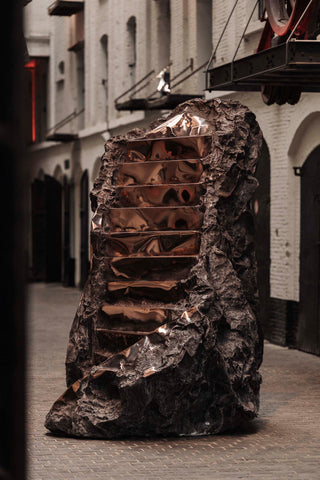
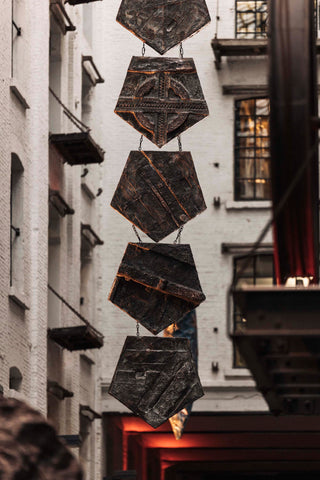
The second sculpture rises vertically, invoking the promise of ascension. A stairway, perhaps, though not one that obeys architectural logic. It climbs without asking permission from the floor, suggesting that heaven might simply be a change of frequency. The steps seem to dissolve as they rise, turning structure into vibration. In this universe, transcendence is engineered by hand.
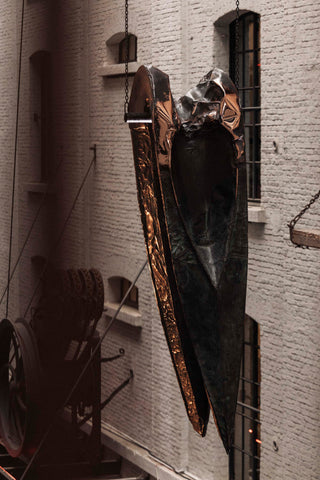
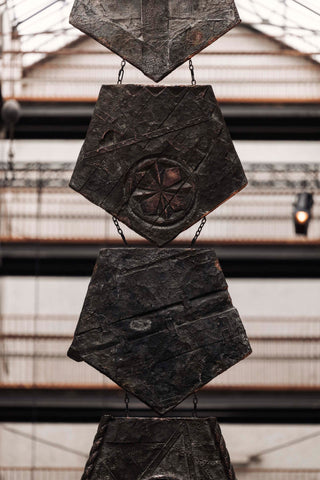
The third form arcs through the space with the looseness of a swing suspended in orbit. It captures a moment of suspension, as if caught between launch and return. There is play here, but it is the kind of play that happens on the edge of catastrophe or revelation. The copper glows like condensed sunlight, as though fragments of meteors were melted and reassembled into a dream apparatus.
Together, the three sculptures establish a terrain where the monumental becomes unstable and the absurd feels strangely precise. Copper, a material historically tied to conductivity and transmission, becomes a carrier of speculative energy. It reflects the viewer back in distorted flashes, turning the audience into passing comets within the installation.
The exhibition reads like a dispatch from a future archaeology. These objects could be remnants of a civilization that mistook poetry for engineering and built its infrastructure accordingly. Or they could be tools for navigating an interior cosmos, where boats bend under invisible pressure, stairways refuse to end, and dreams swing in slow, meteoric arcs.
Here, the absurd is not decorative. It is structural. The works insist that logic is only one possible material among many. In Ritiu’s universe, copper thinks, space wavers, and sculpture becomes a vehicle for leaving the ground without ever quite departing.
In Collaboration with Wolf Food Market
About the artist
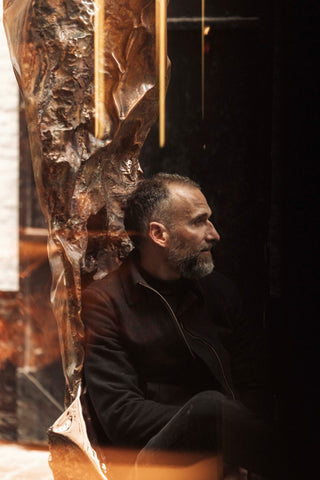
Marius questions concepts such as nationhood, borders and nationalism, reflecting on global responsibility, collective consciousness, citizenship, and suggesting the potential for immensely varied human experiences to unite. Instead of being celebrated, our differences are made into symbols and ideologies meant to divide; they are turned into borders.
The artist has been working extensively with copper, viewing it as a material that physically connects the world. Its role in technology, including communication and transport, has facilitated the movement of ideas, goods, and people, reshaping the nature and physicality of borders. Copper is central to his practice for both its material presence and philosophical significance.
He employs a technique called repoussé, which does not require a highly equipped studio. Instead, it is a flexible, nomadic method that he can use wherever he goes, aligning closely with his mobile lifestyle.