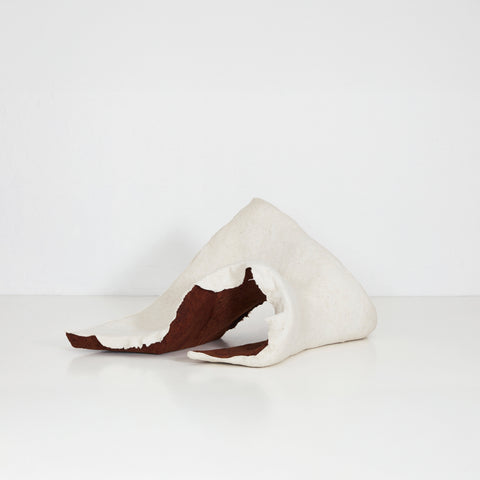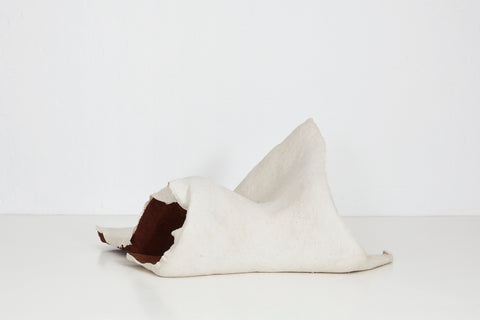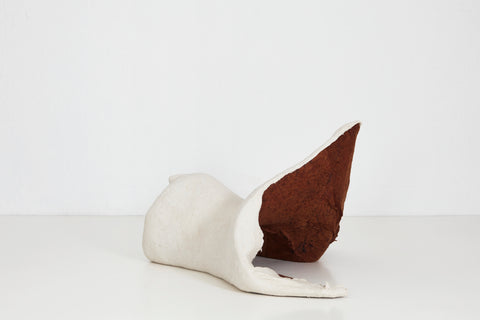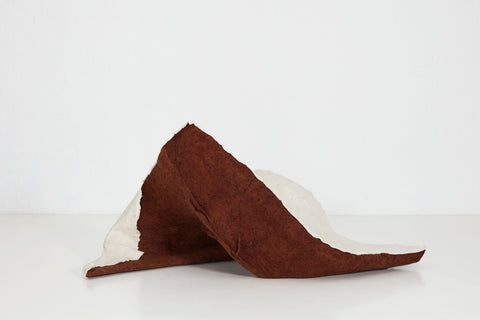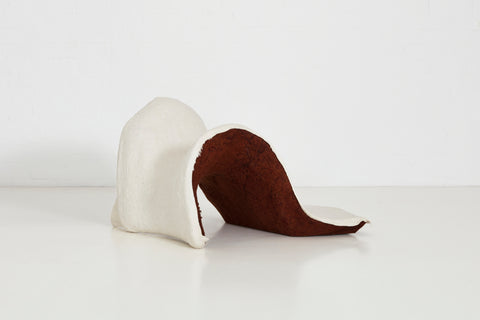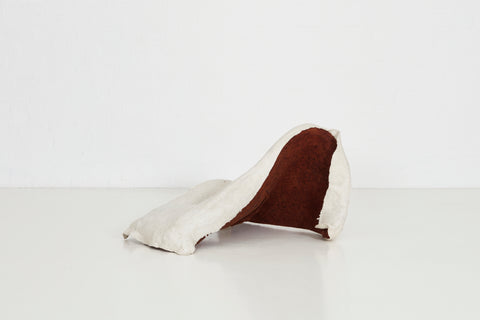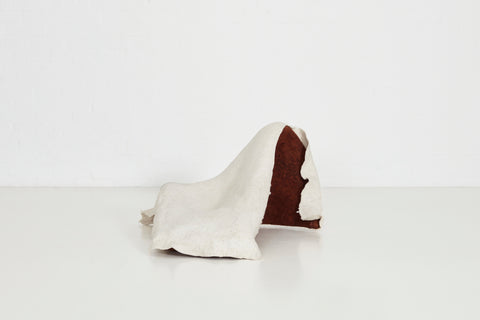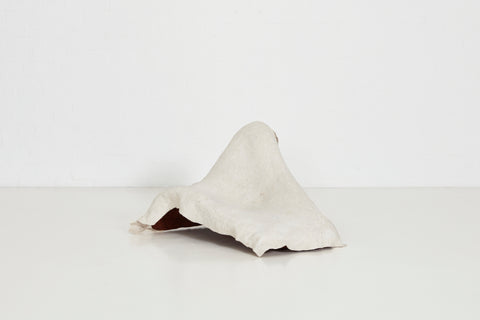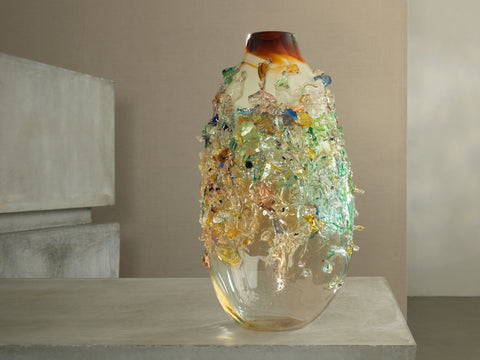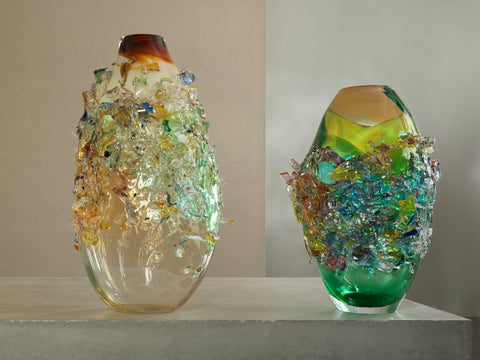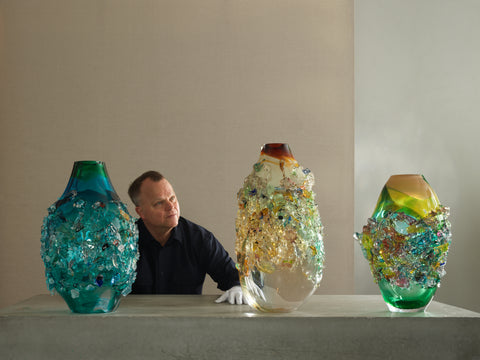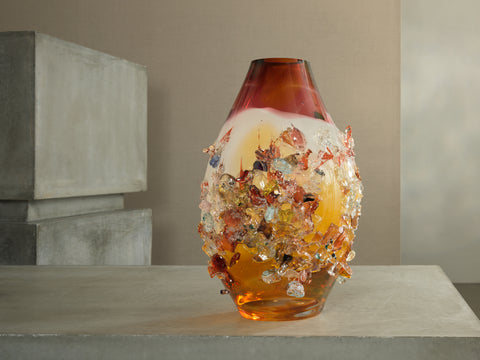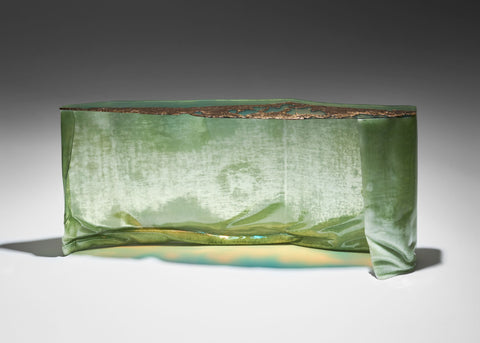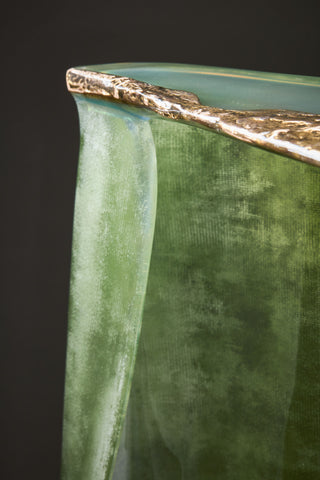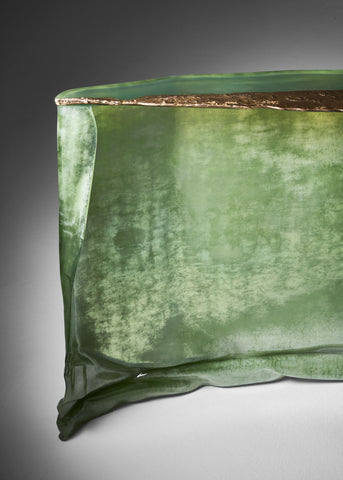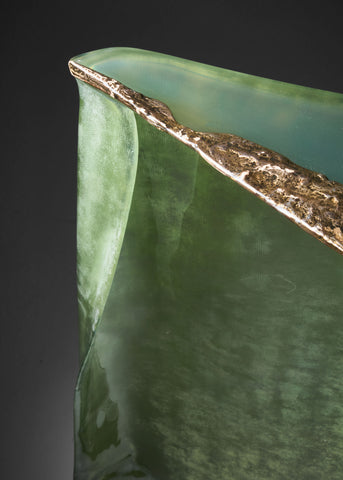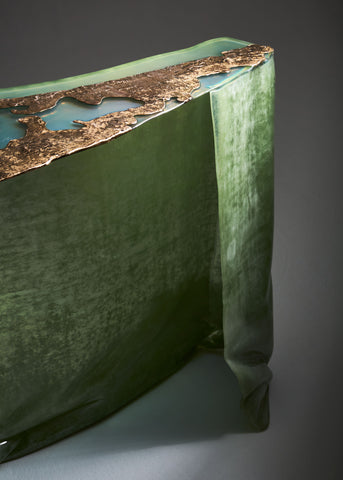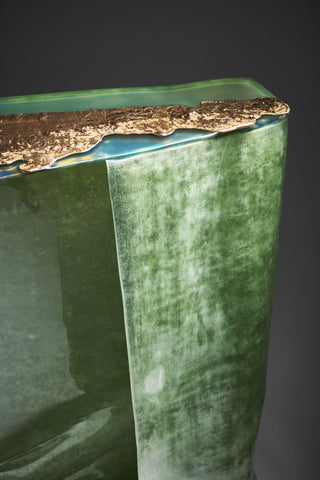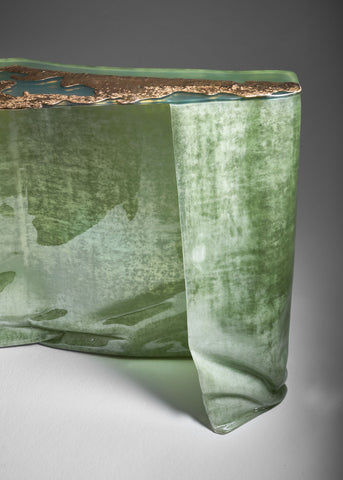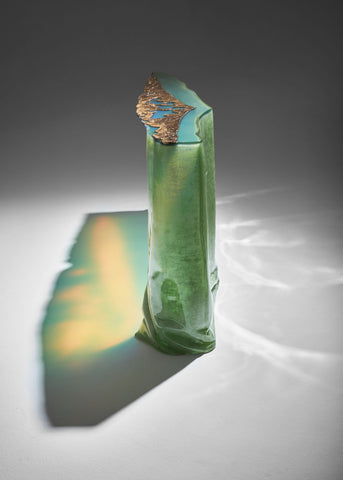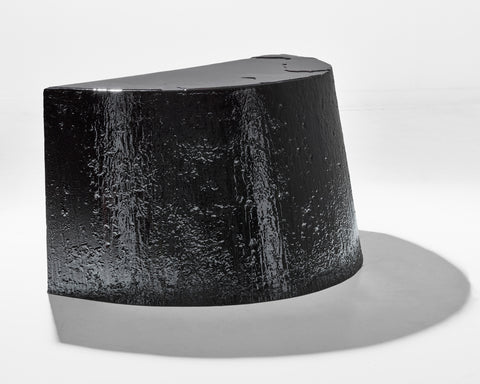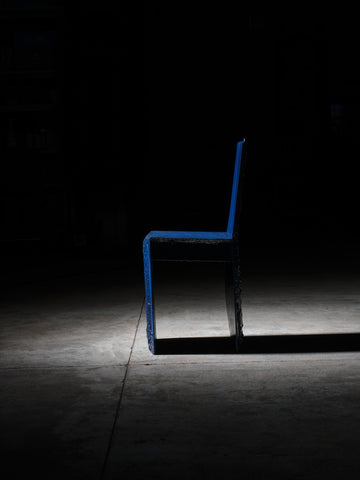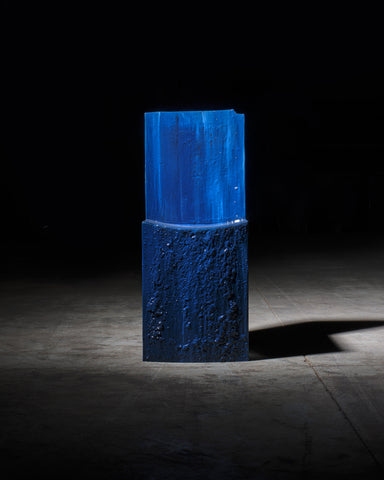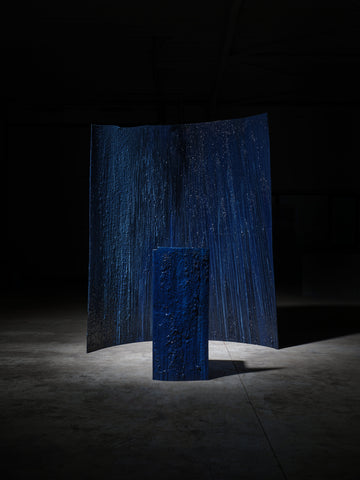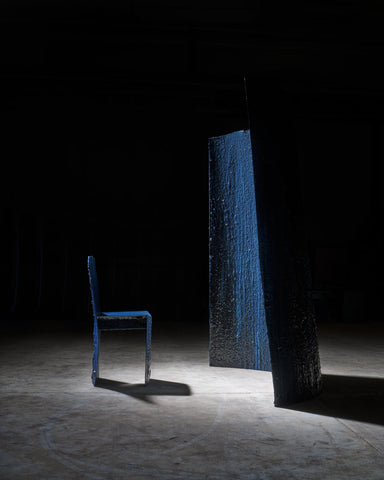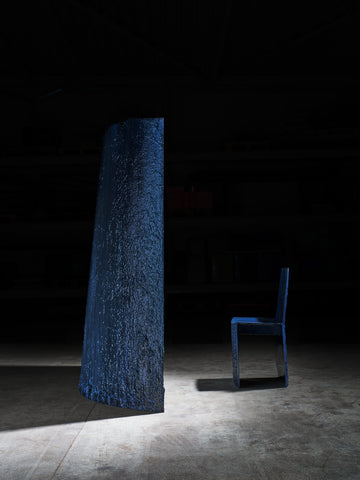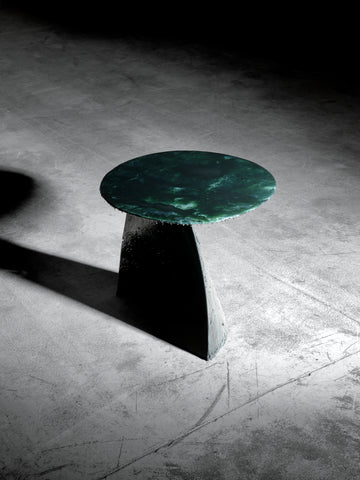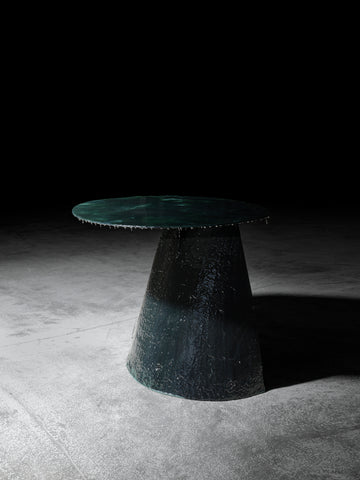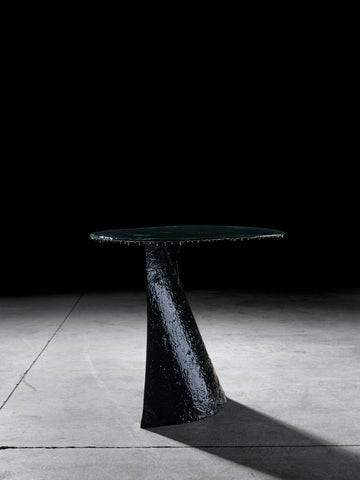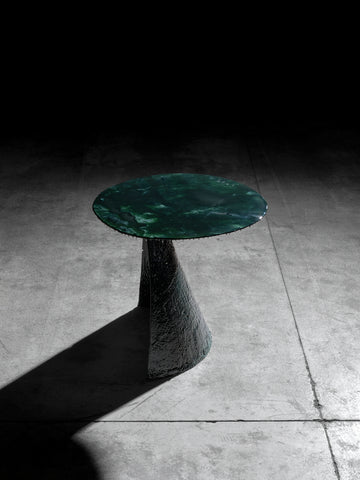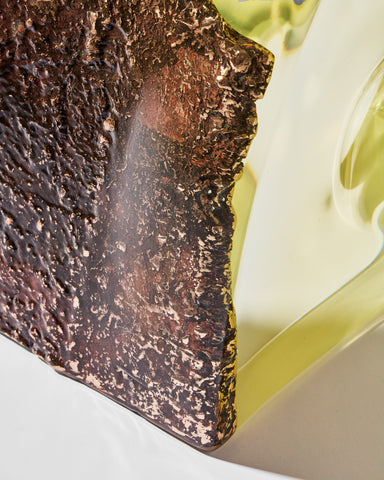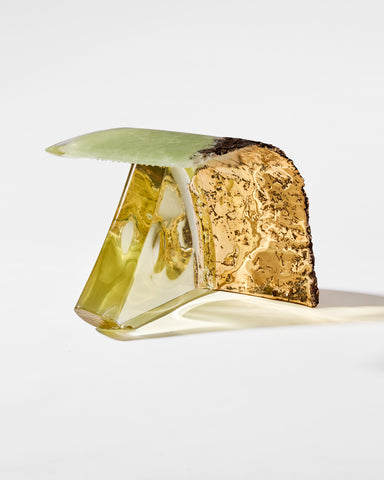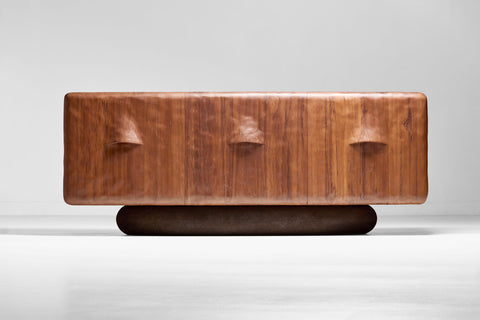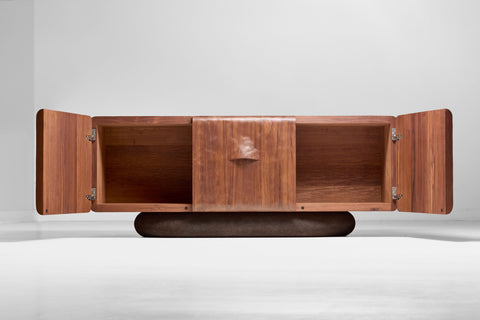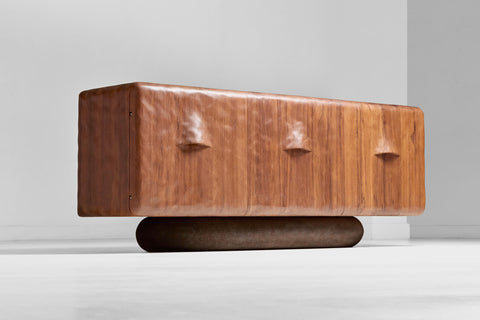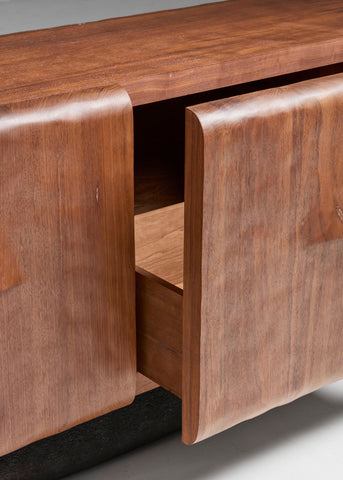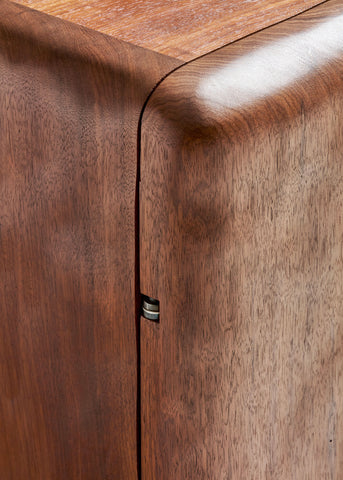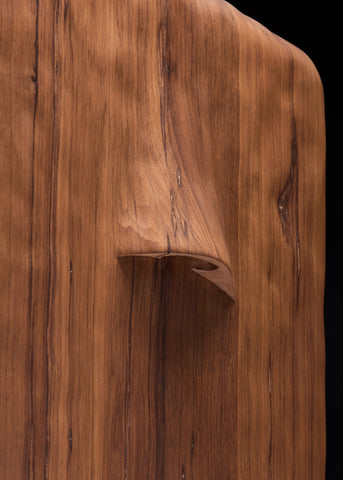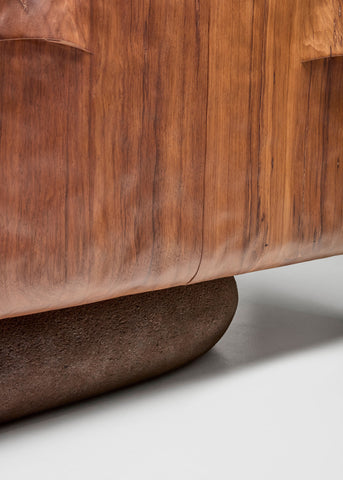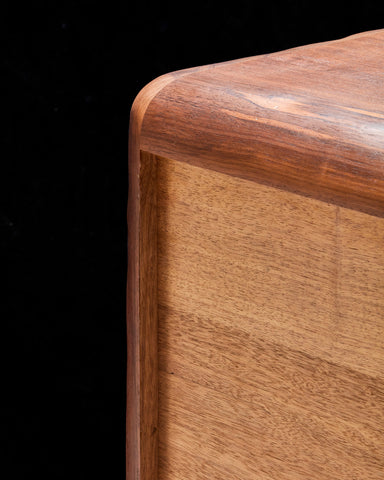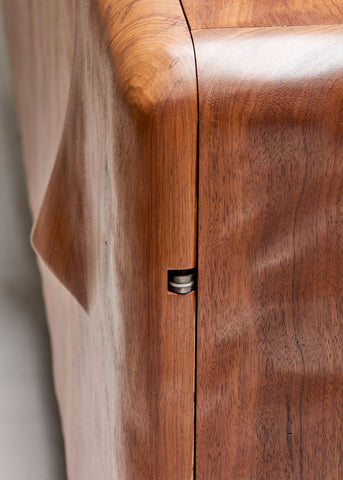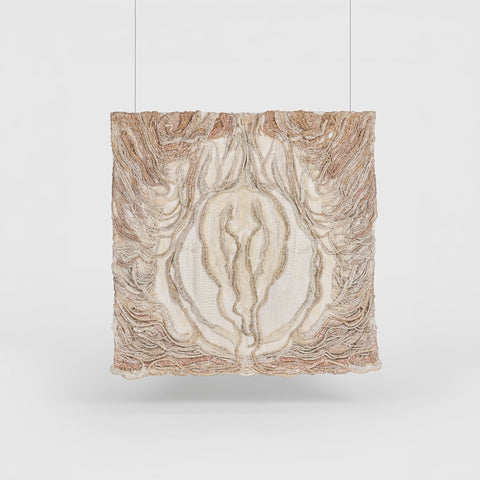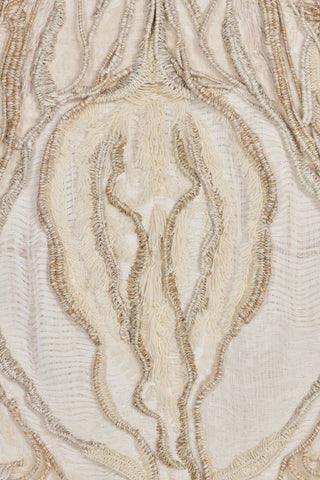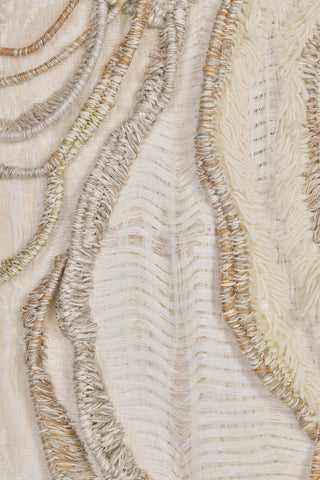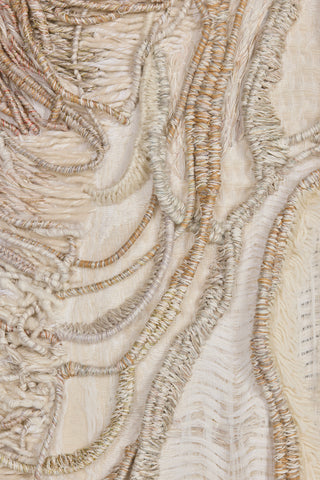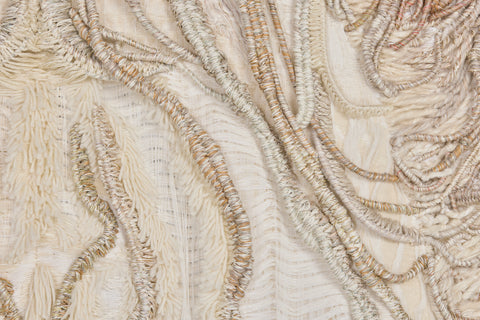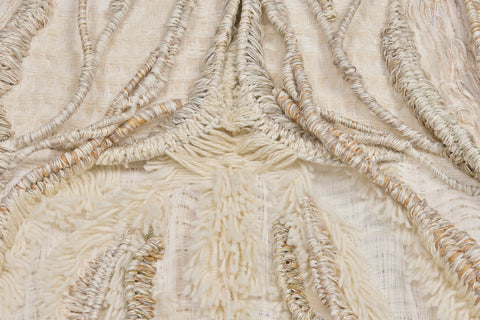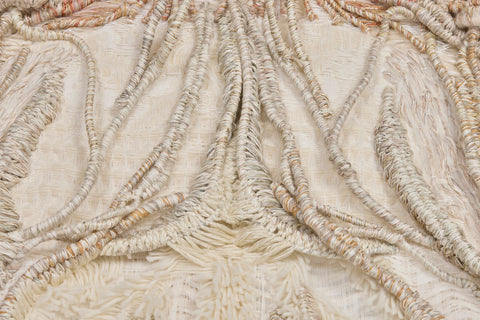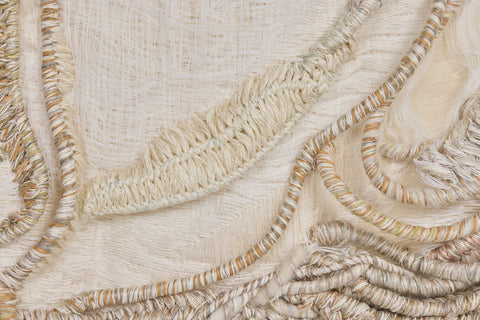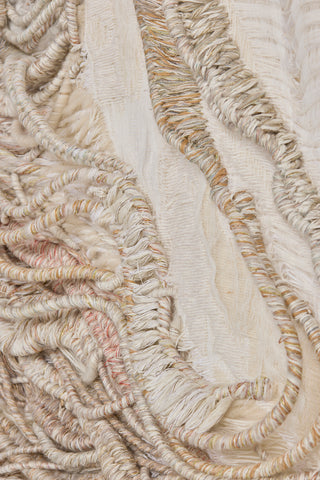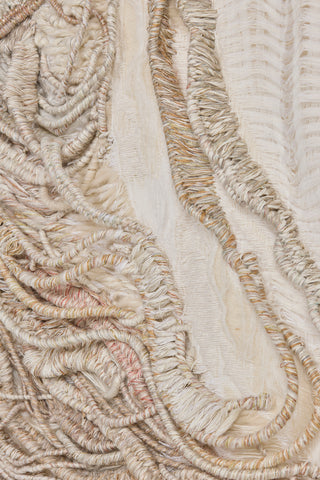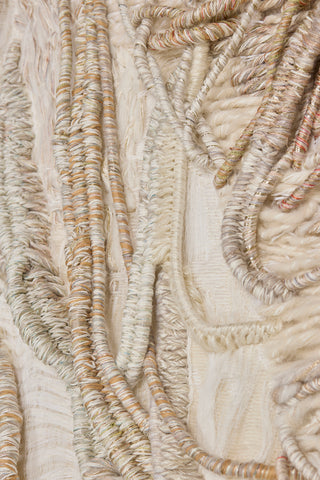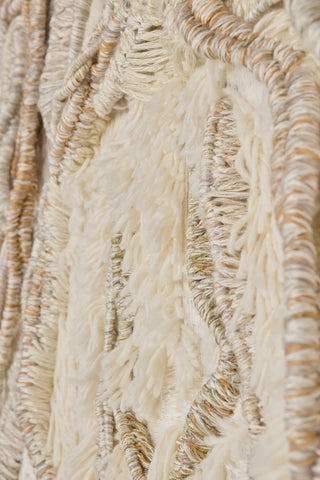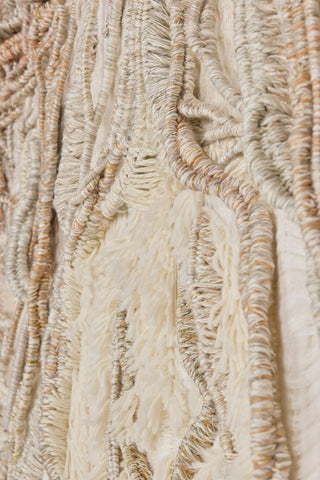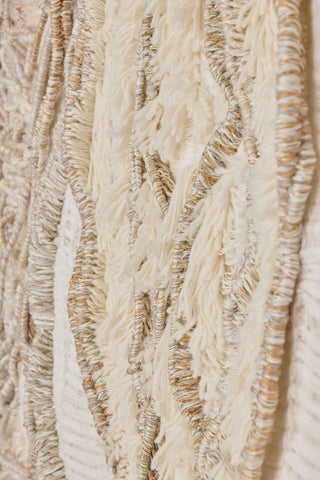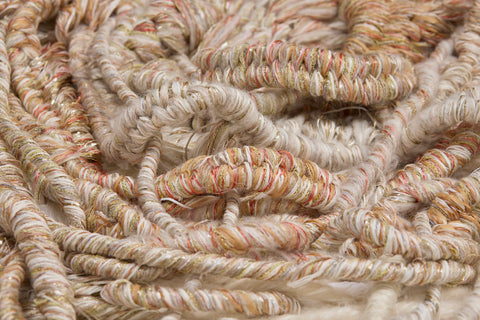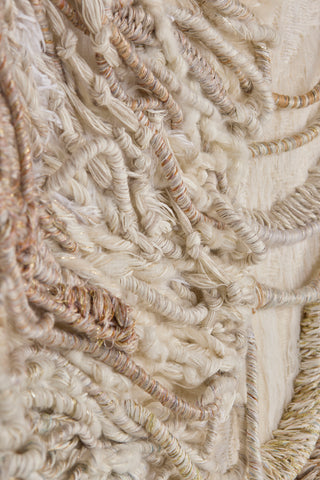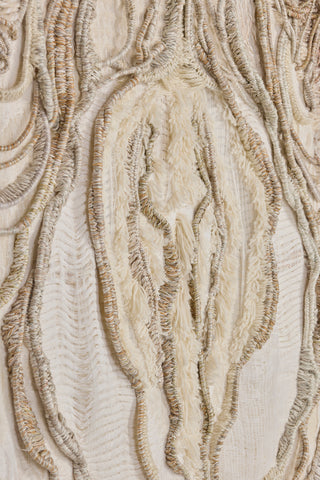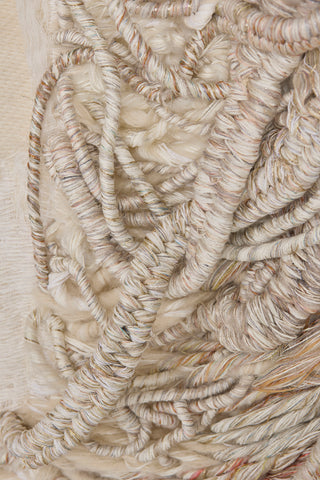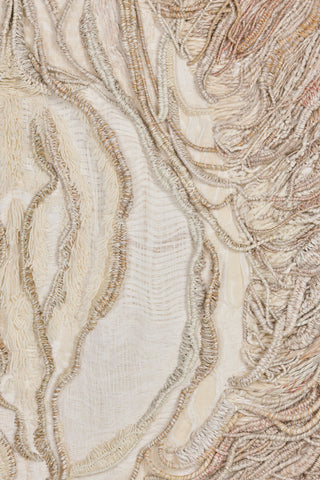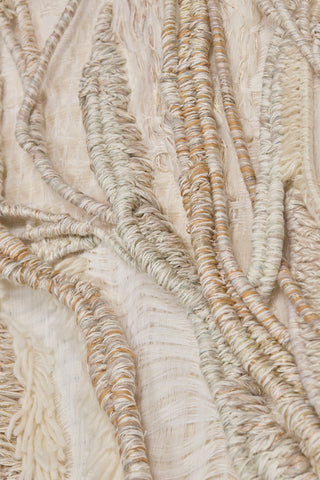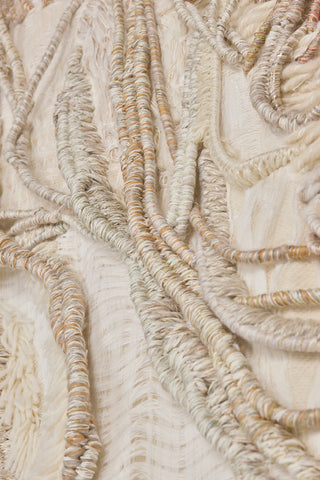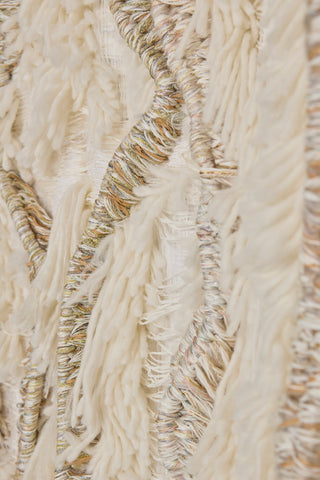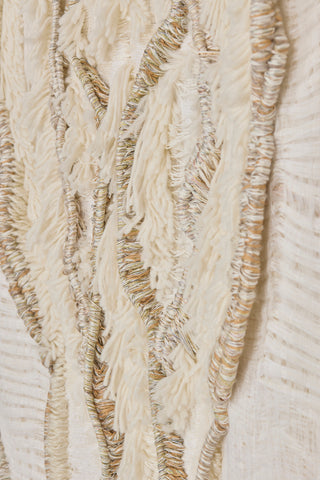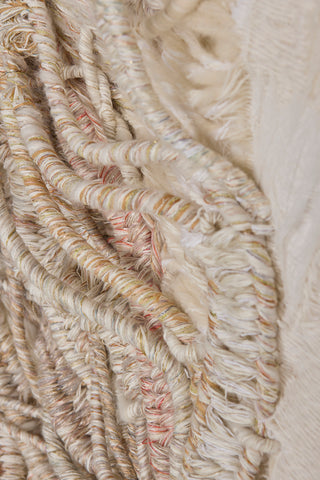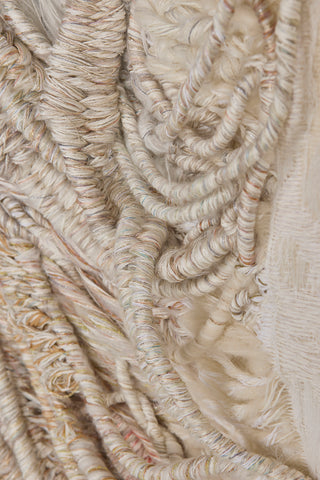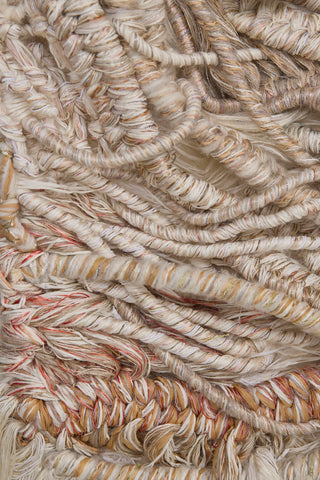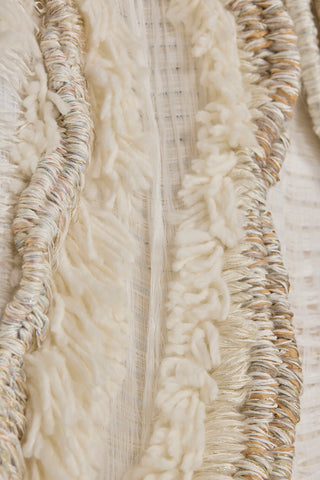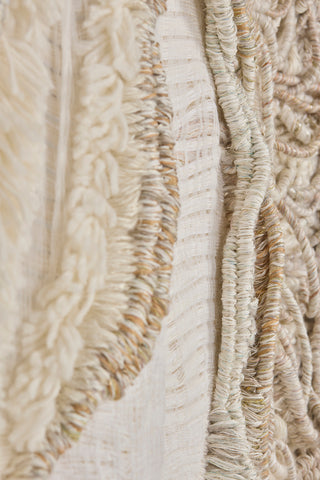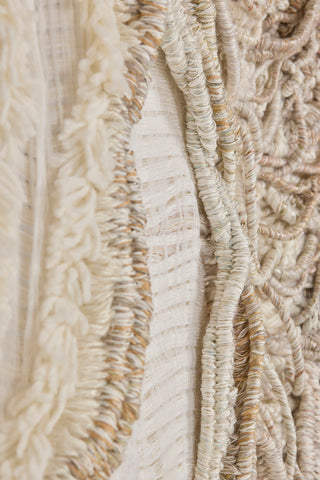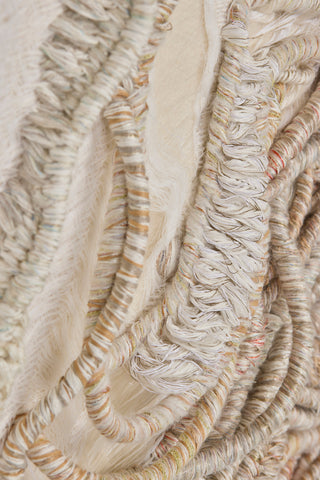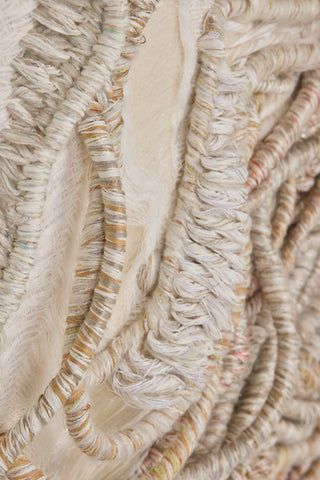

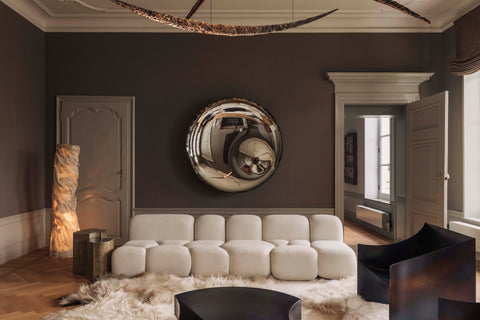
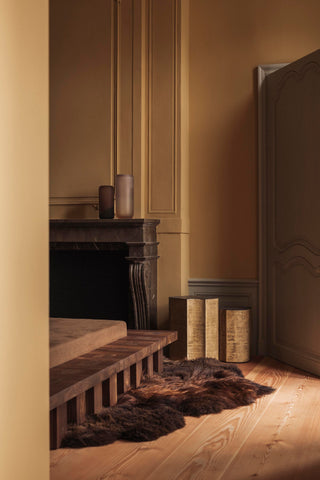
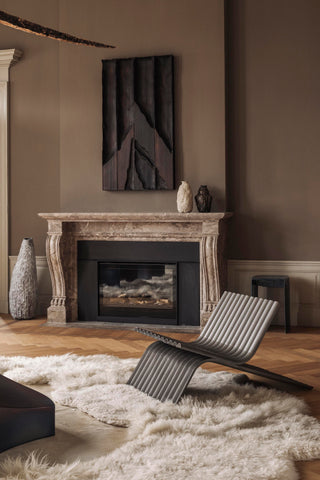
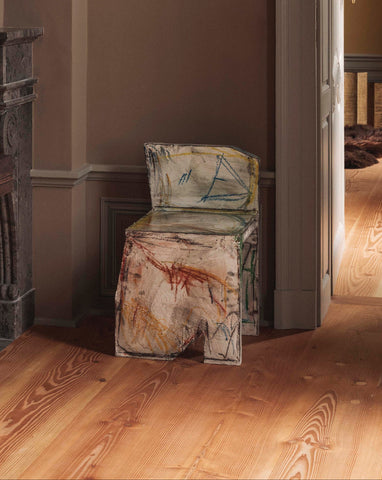
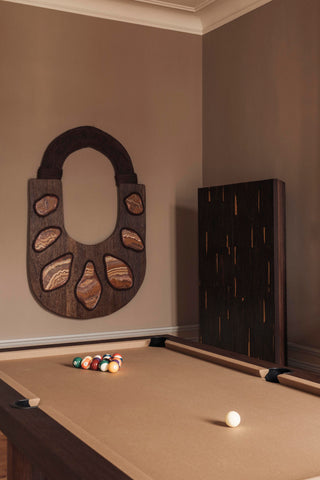
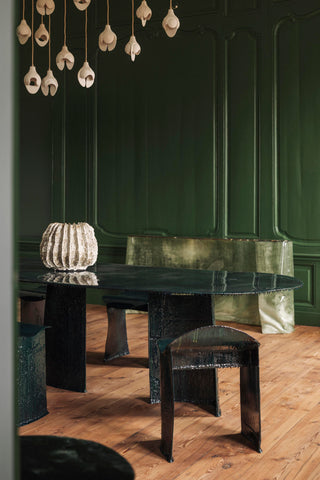
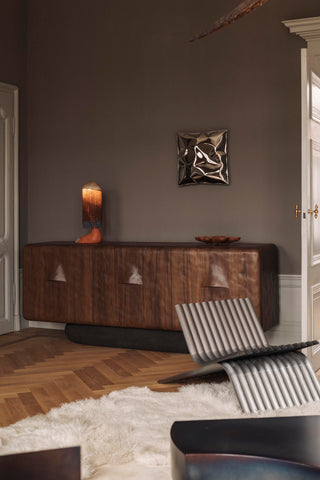
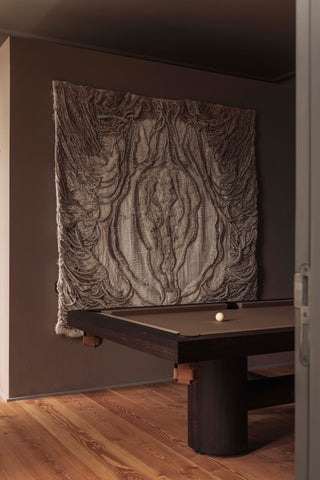
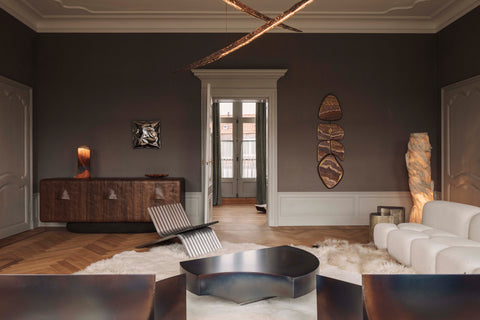
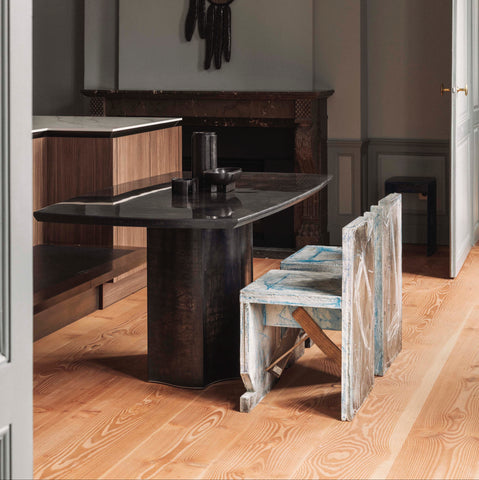
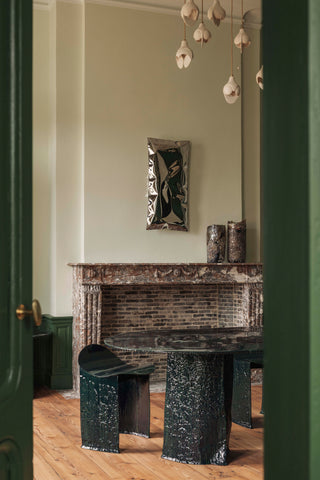
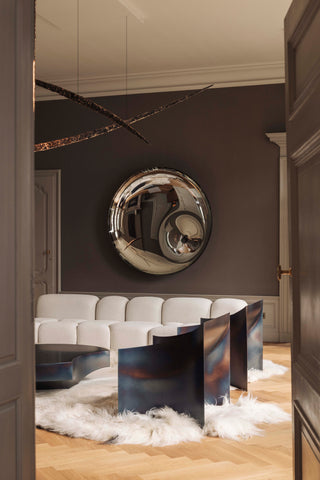
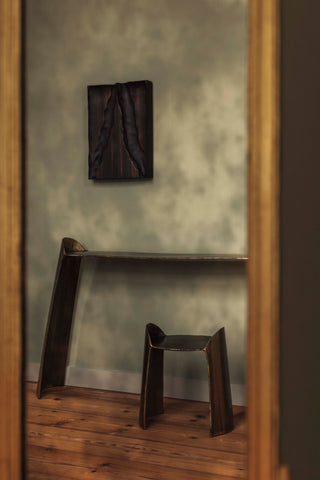
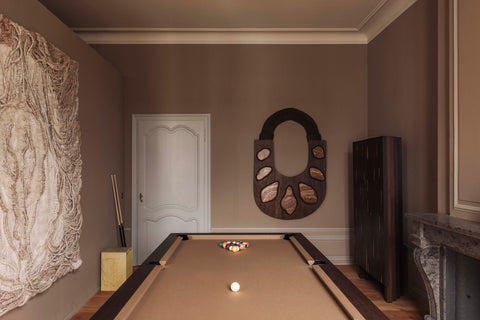
As an extension of our gallery in Brussels, our new showroom in Bruges occupies the apartment of the Hôtel d'Hanins de Moerkerke, a former 18th-century mansion nestled in the city's historic center. This showroom unfolds as a real living space, in which the craftsmanship of our contemporary works meets history.
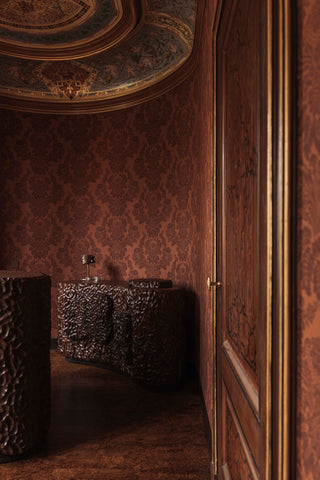
Nestled in the historic center of Bruges, alongside the Coupure canal, our new showroom occupies the apartments of the Hôtel d'Hanins de Moerkerke, a former 18th-century mansion built in 1765 following the canal's excavation. The building sets on ancient foundations of a Dominican monastery and once belonged to Pierre-Jacques d'Hanins de Moerkerke and Claire Diericx, a family whose prominence was bound to the inland shipping trade that made Bruges one of medieval Europe's great commercial metropoles. It was this mercantile activity that fueled the city's extraordinary cultural growth, most visibly preserved today in its Gothic architecture, a testament to the wealth, ambition, and artisanship of those who built it.
The choice of Bruges is deliberate: few cities in Europe have navigated change with such attentiveness to continuity. Its architectural philosophy treats the built environment not as a fixed relic but as a living document: one that embraces transformation while honoring original materials, construction techniques, and spatial memory. The city's urban fabric is a form of chronological layering, where each historical period leaves its mark without erasing what came before. It is a philosophy of deep respect for craft and authenticity, and one that cultivates everything we set out to do here.
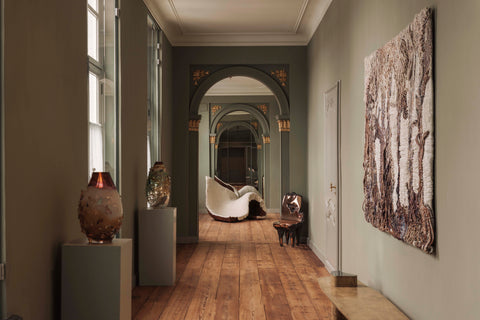
It is not a showroom in the conventional sense, but an extension of the same impulse that has guided Bruges across centuries: the valorization of history, the elevation of craft, and the belief that beauty grows meaning through time.
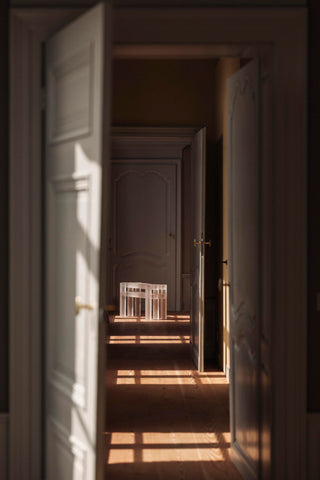
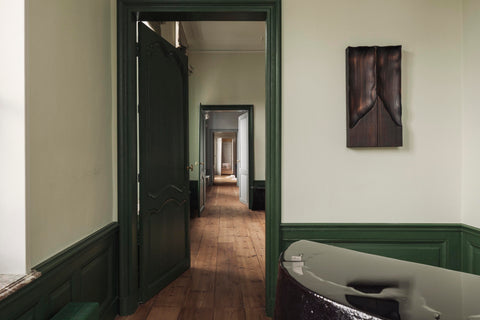
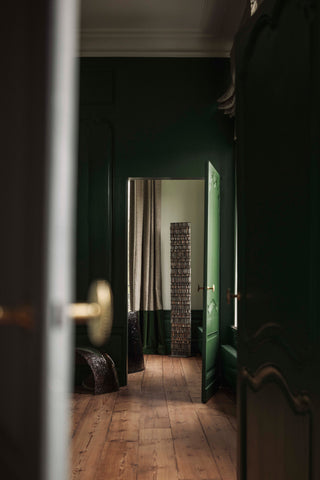
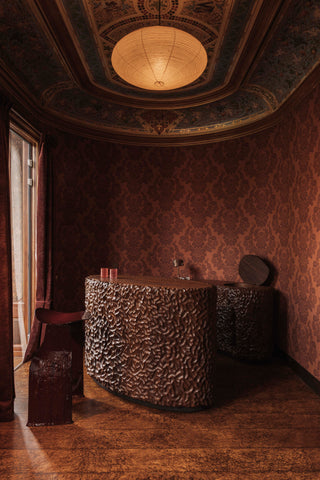
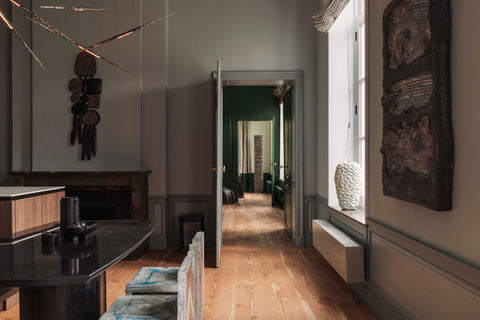
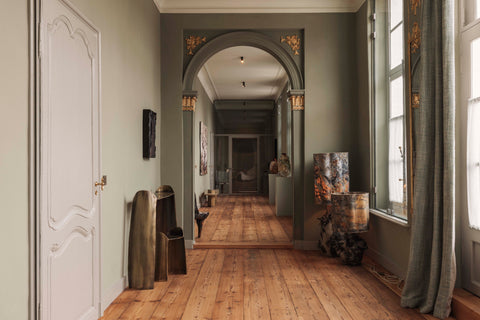
That dialogue finds its most fitting expression in the architecture of the building itself. The Hôtel d'Hanins de Moerkerke is arranged in enfilade, an architectural compositional principle mostly used during the Baroque period, in which a series of rooms aligns along a single axis, their doorways forming a continuous perspective. Grand interiors from European palaces to great Flemish hôtels particuliers employed this arrangement with a specific social function: rooms progressed from the most public to the most intimate, each carrying their own purpose, culminating in the private appartements. Here, our series of rooms ends in the boudoir, an oval room with hand painted ceilings.
It is this series of rooms that gives our project both its name and its nature. We are reviving these spaces without erasing them, each retaining the memory of its former function while opening itself to new narratives. Just as Bruges itself is best understood as a layering of eras rather than a single frozen moment, this succession of rooms becomes a space where past and present coexist: the building as context, craftsmanship as the constant, and the contemporary works shown within as a continuation of the long artistic and mercantile tradition that this city has embodied for centuries.
Bruges
Explore all