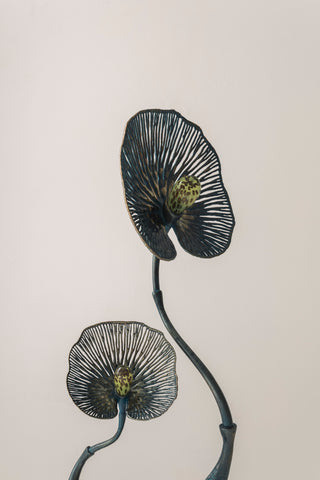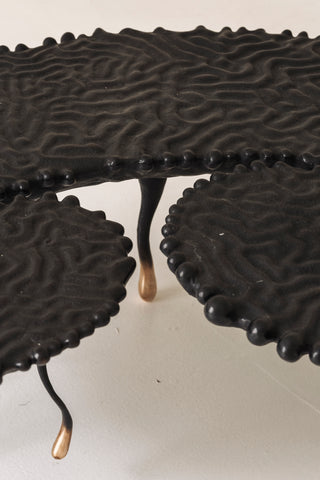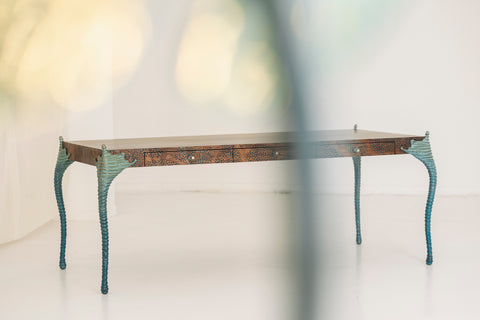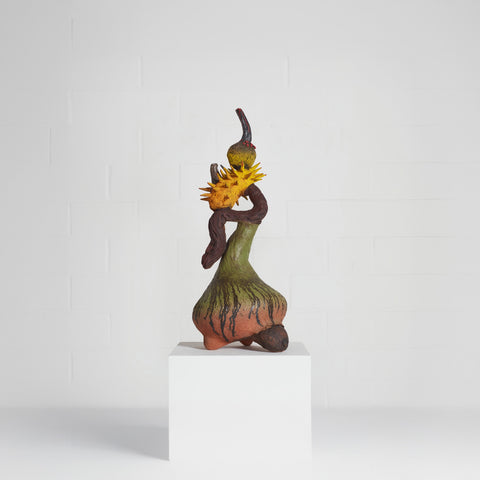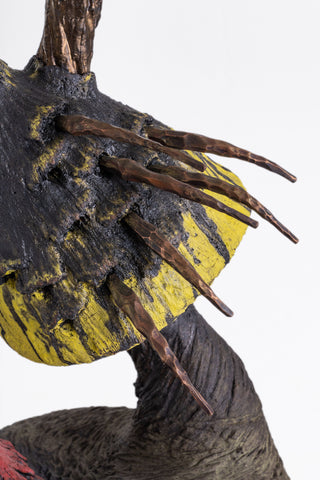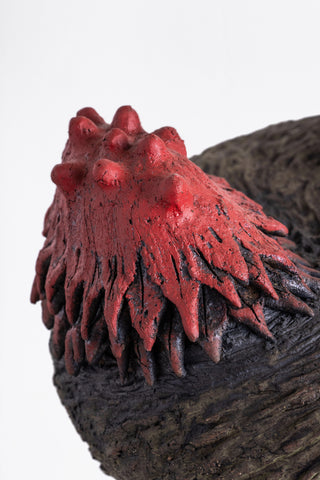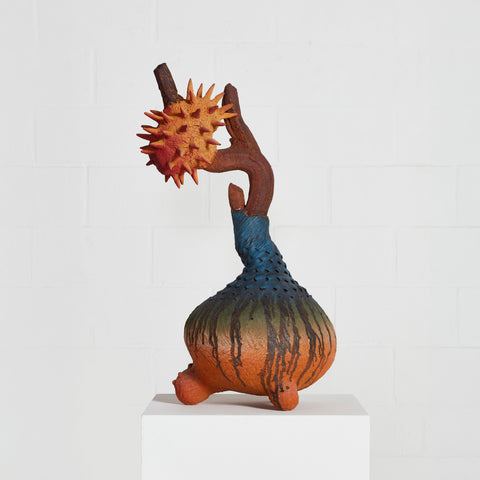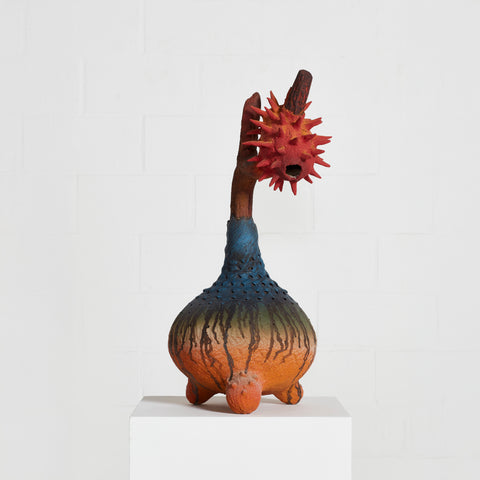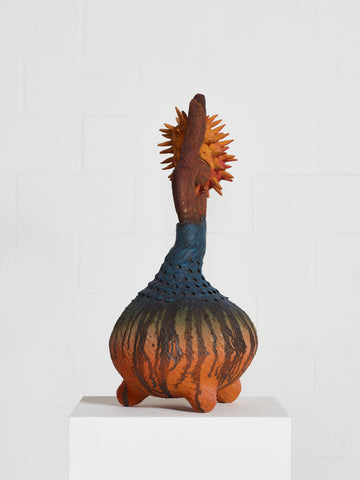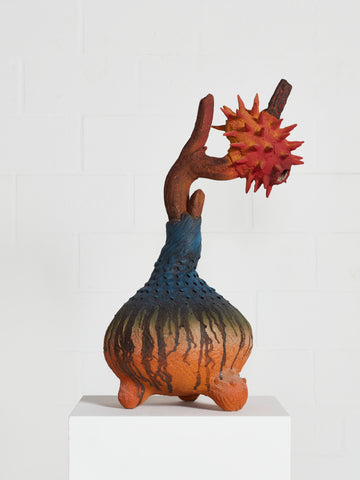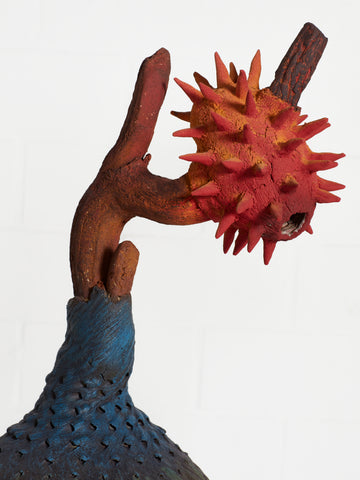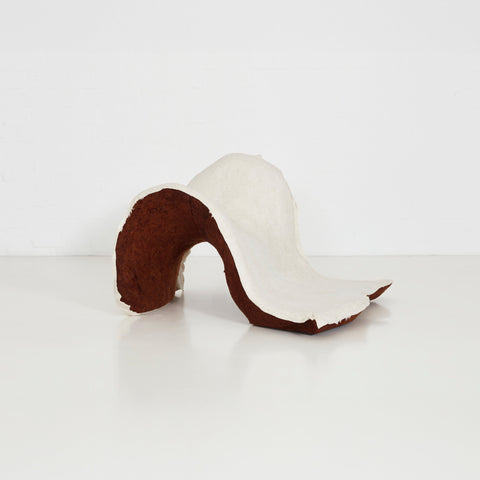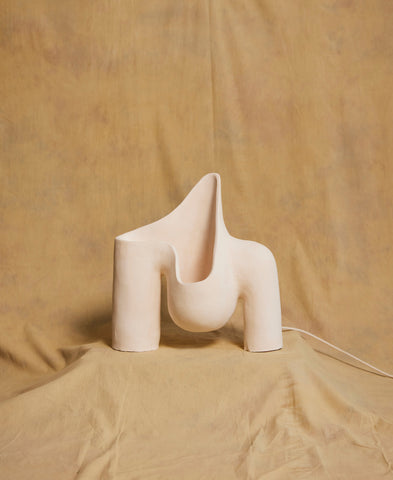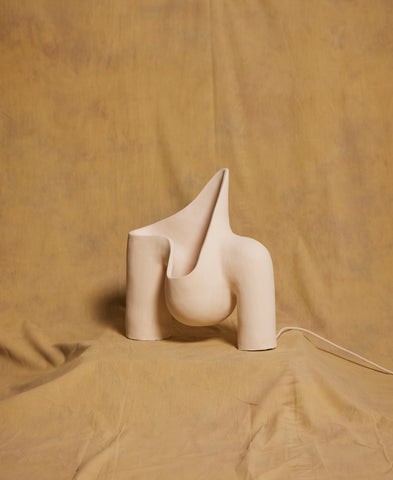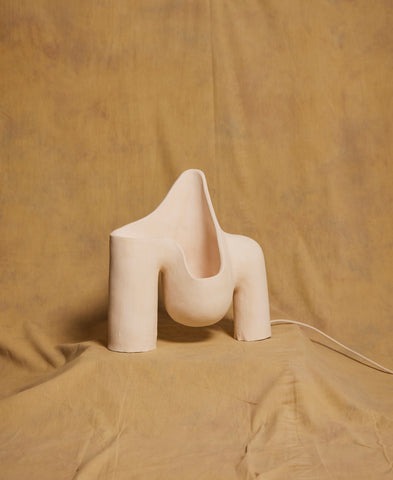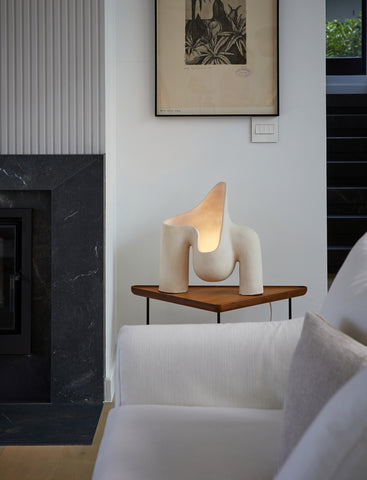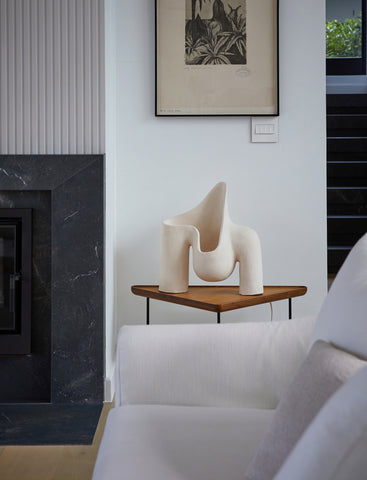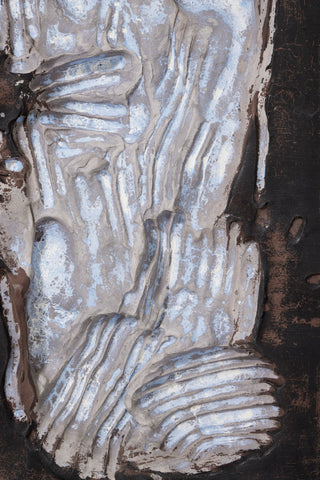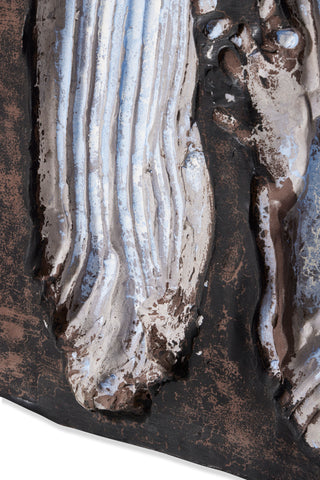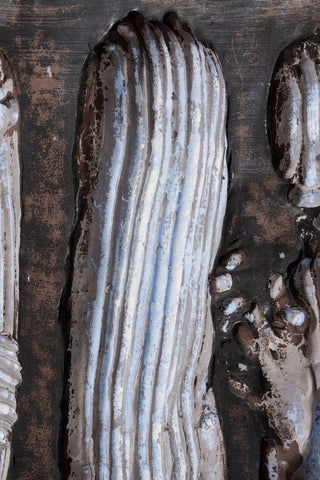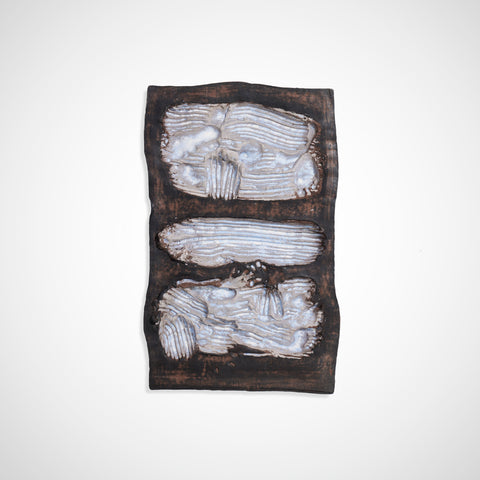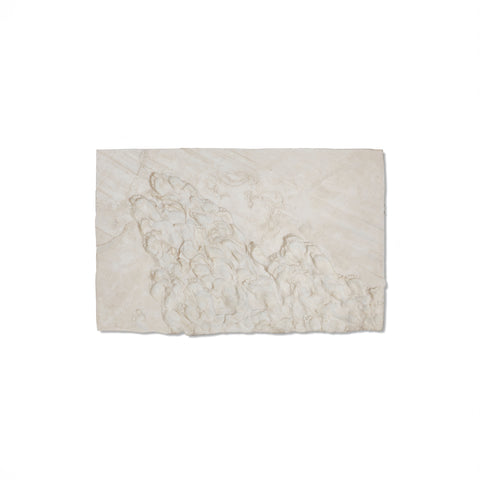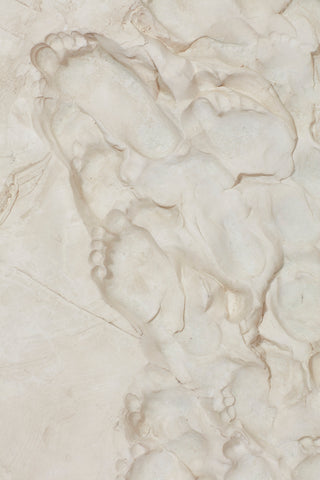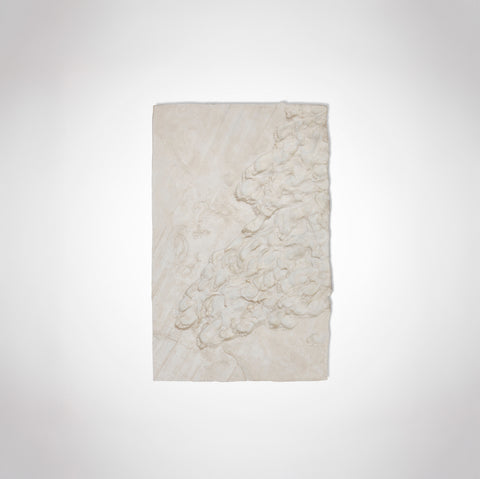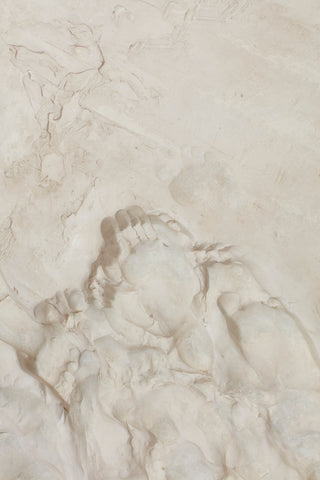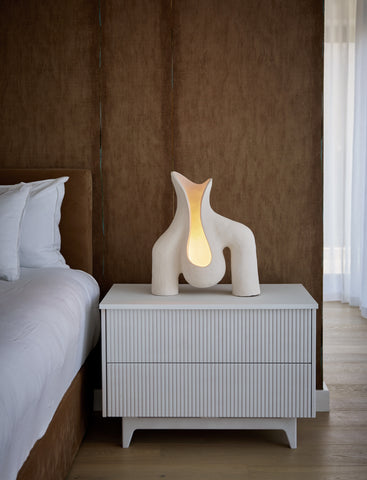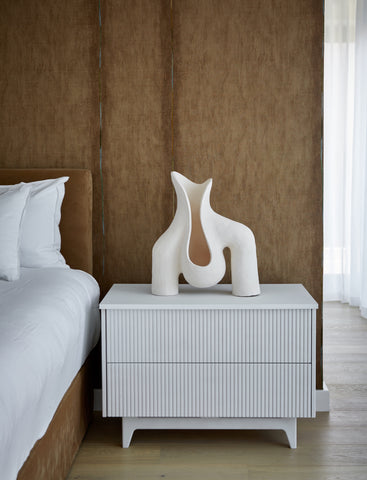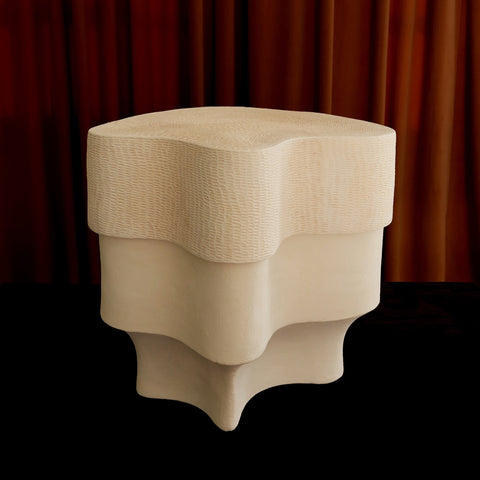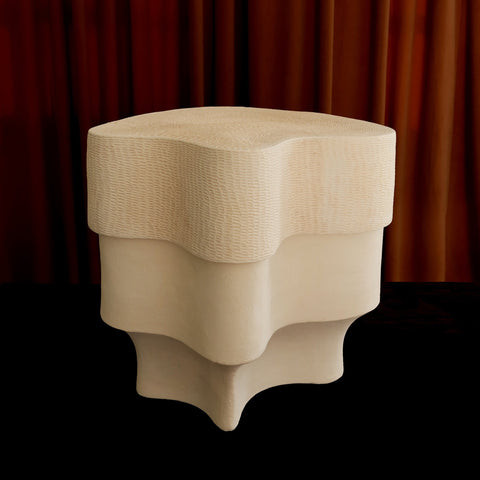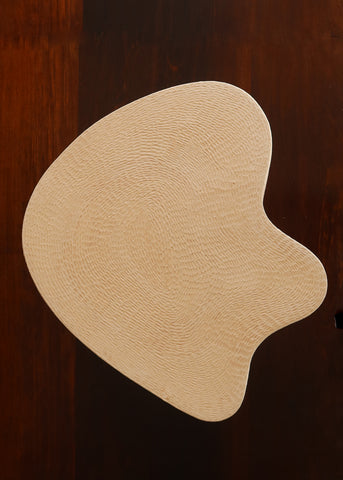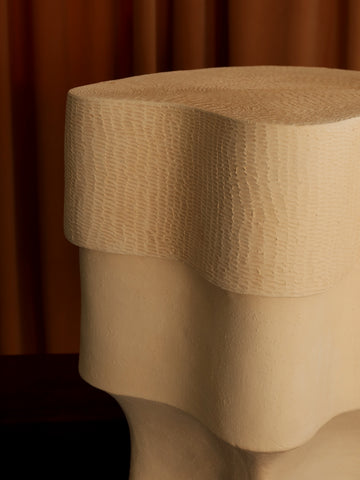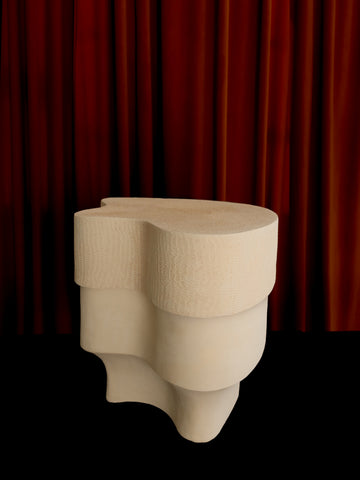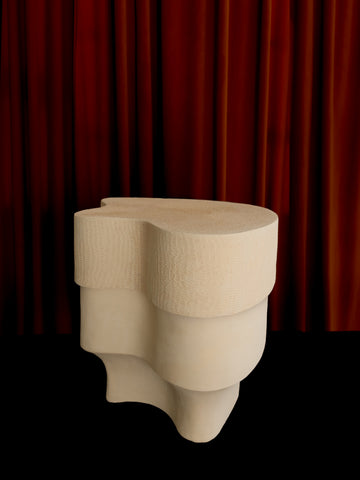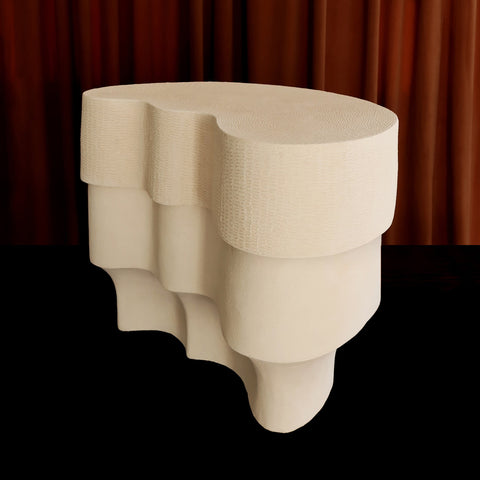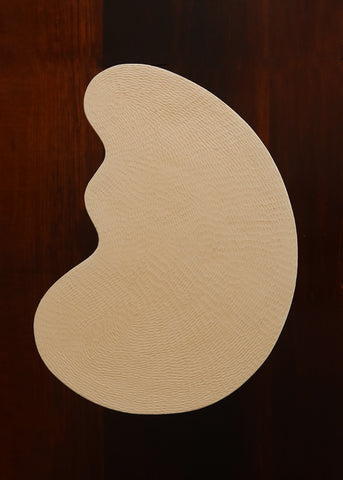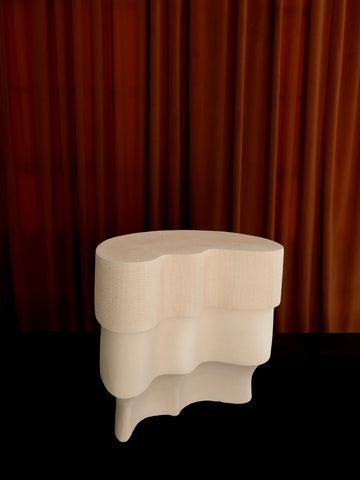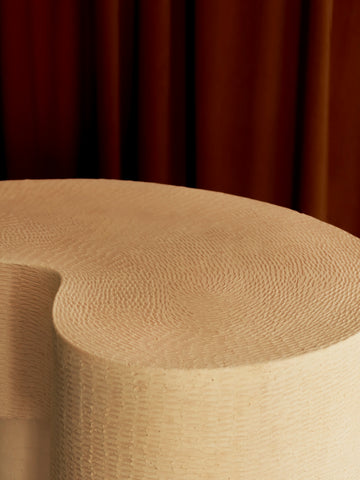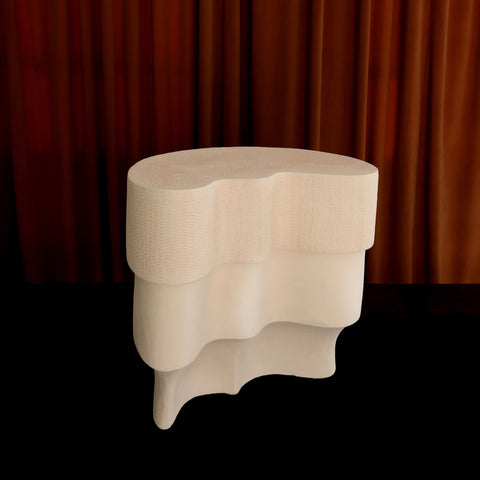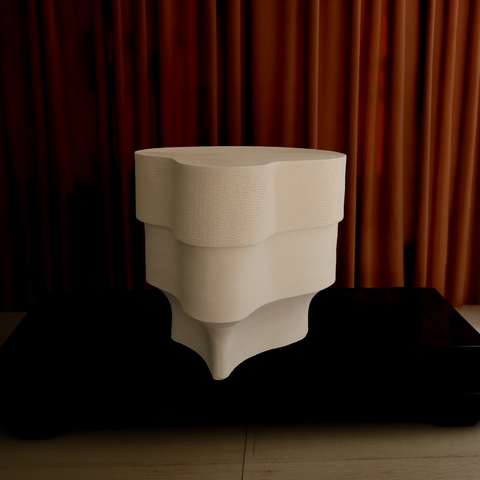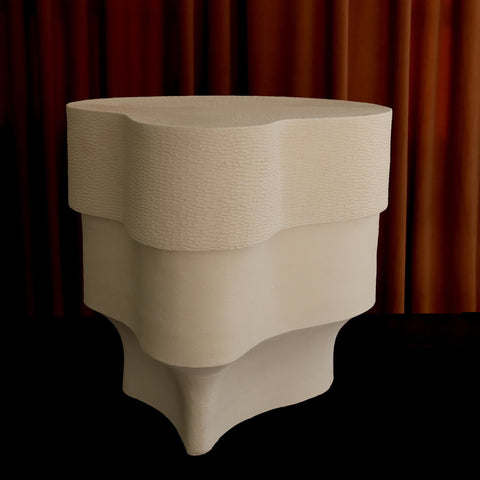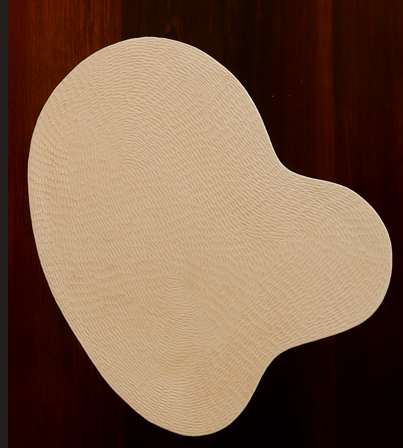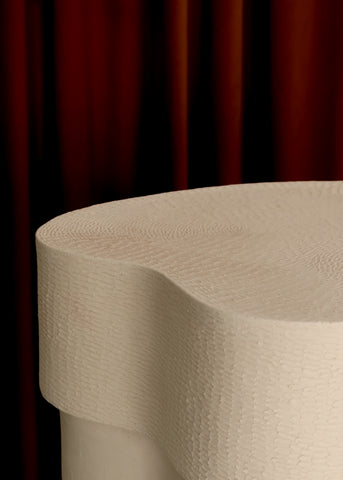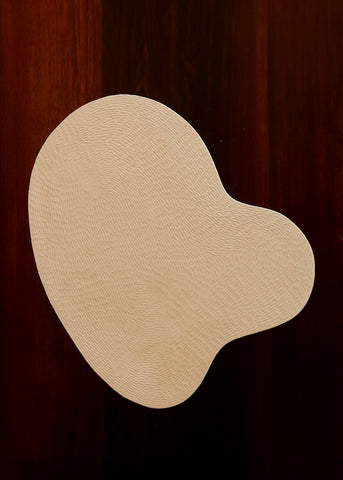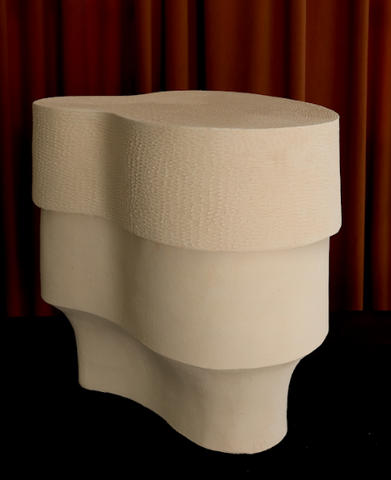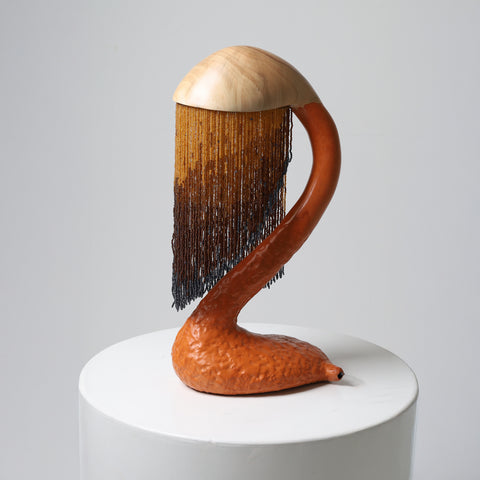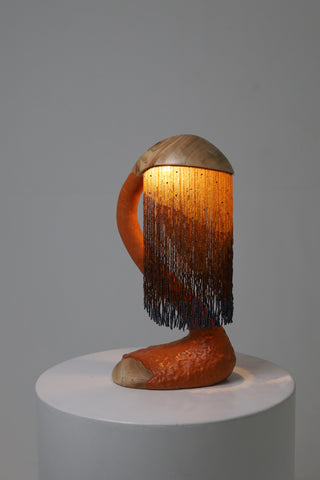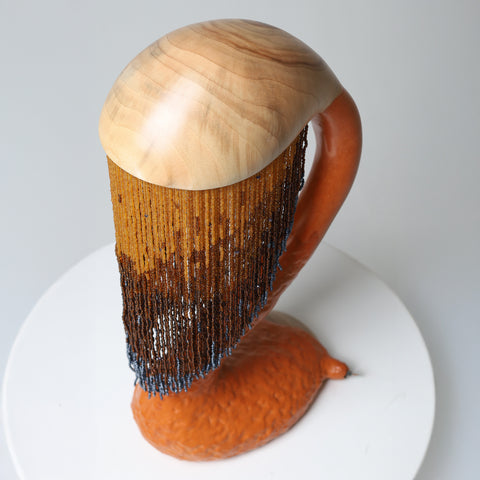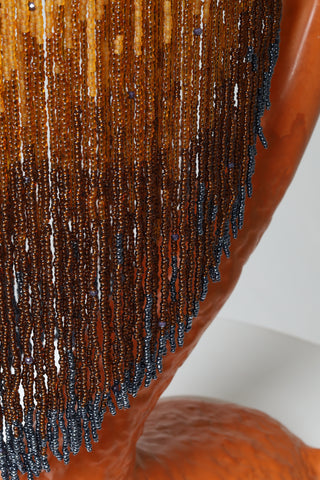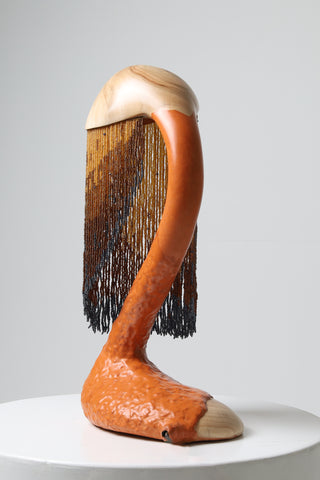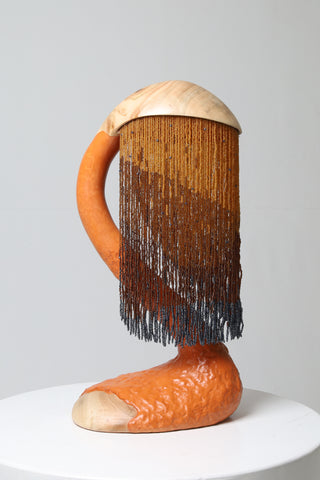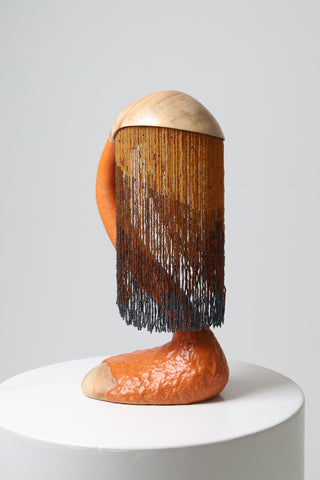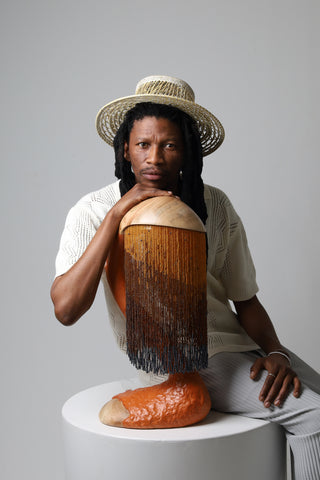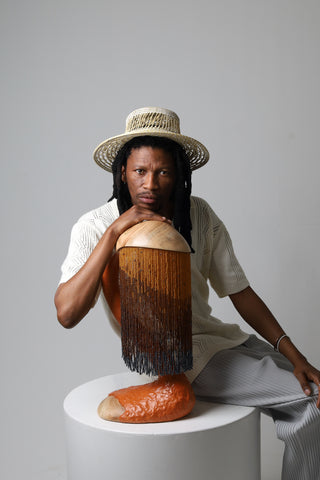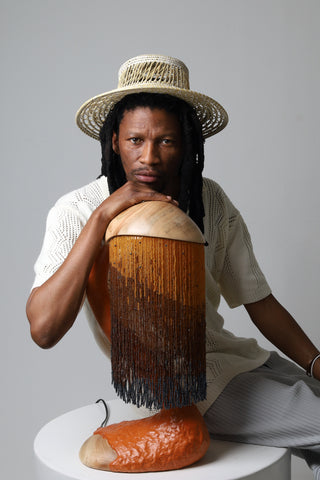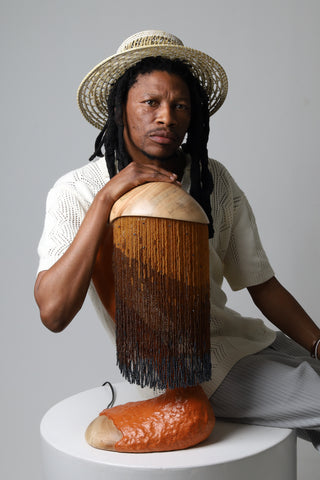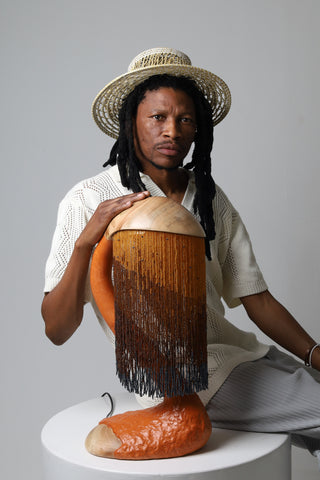

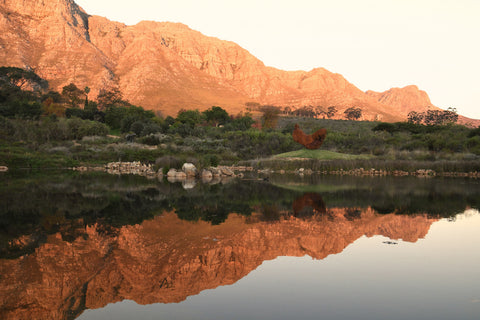
Over the last years, we discovered that there are only a handful of places in the world where traditional and contemporary craftsmenship meet through extraordinary artisans, resulting in some of the most wonderful objects one can find today.
For example, on the European continent we see this happening in Belgium, in Asia these treasures can be usually found in South-Korea and for the African continent there is one country currently leading by example: South-Africa.
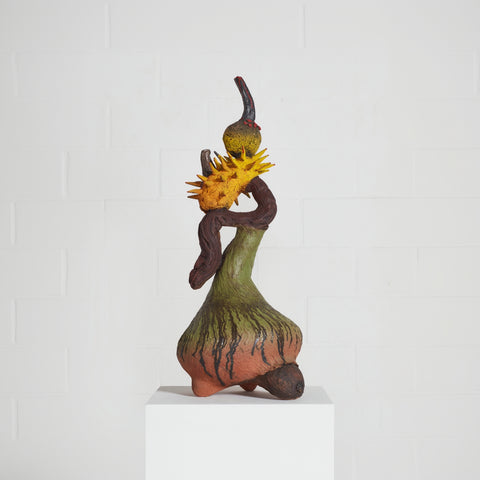
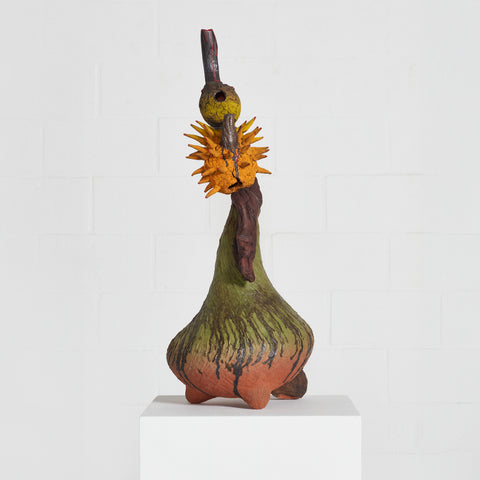
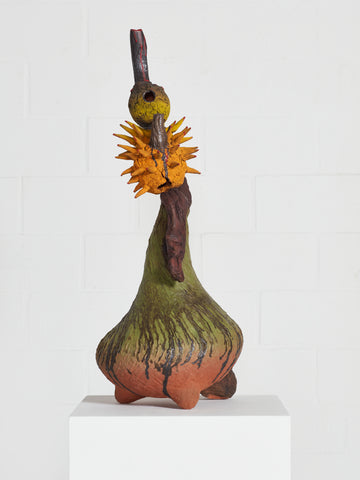
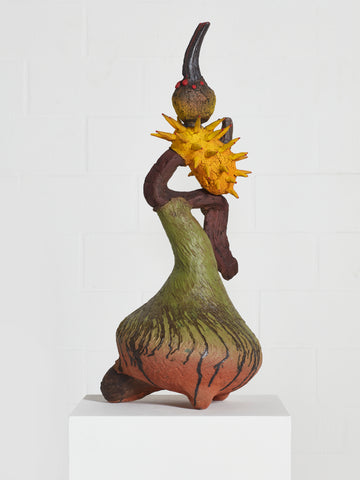
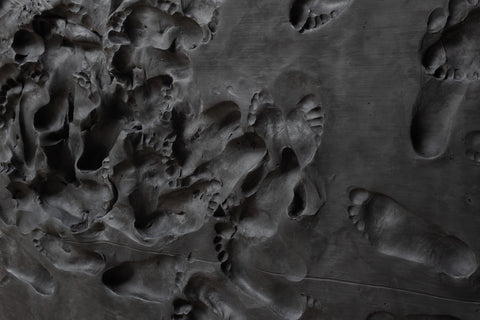
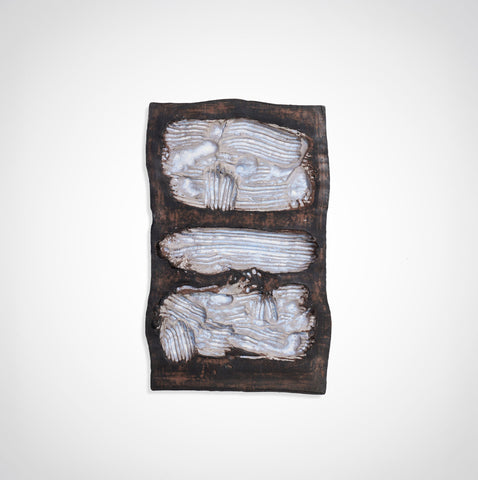
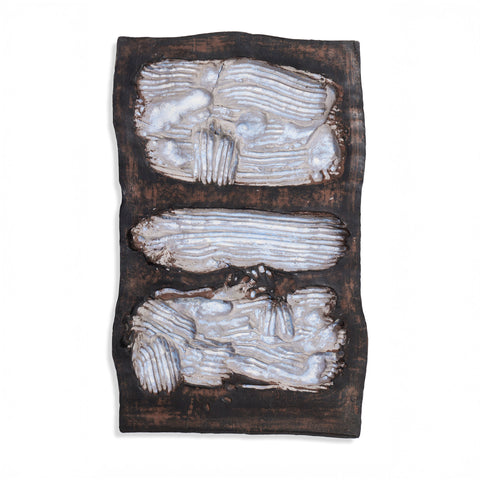
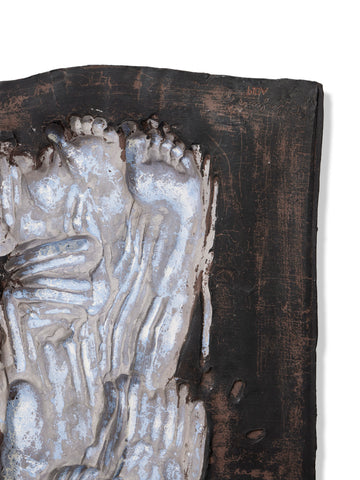
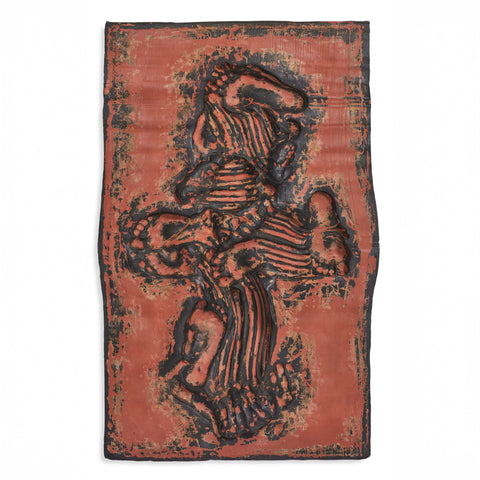
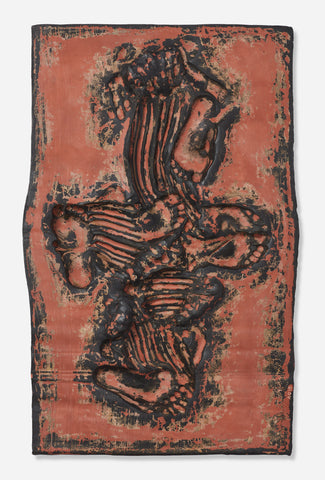
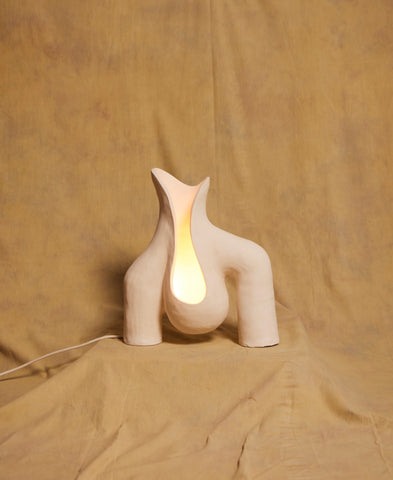
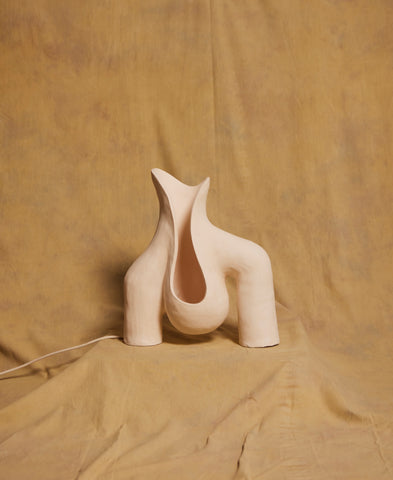
Digging Traces
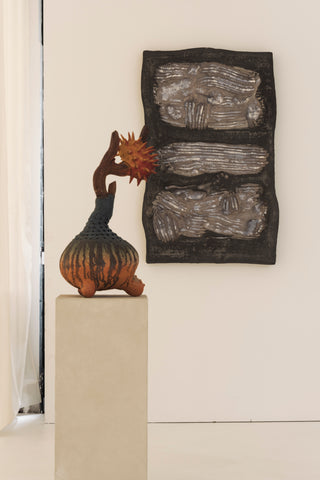
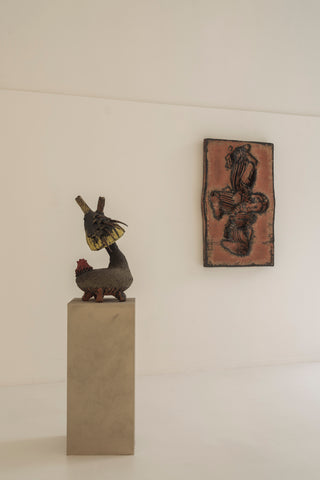
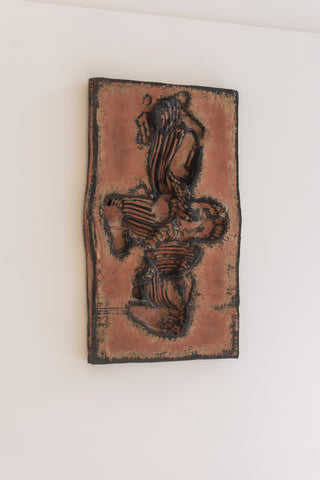
Digging Traces represents our personal journey and encounter through this vibrant country and especially learning from their magnificent master-artisans.
While meeting these diverse makers, we realized there is an overarching theme. It is neither the culture, nor the history that brings them together but the territory - and literal ground- that they share between each other. Artists use their unique bond and co-existence with nature as a true driving force in their designs, something unfamiliar for most other cultures. As an ode, our goal is to bring our experience to the other side of the world with our largest dedicated exhibition up to date in the gallery.
It fuels our ongoing goal to cultivate deeper connections between countries known for their craft. Through this cross-country dialogue, we hope to inspire the fusion of ideas, techniques, and cultural influences that continue to shape the future of art and design.
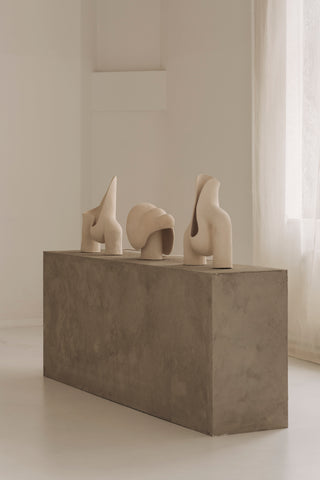
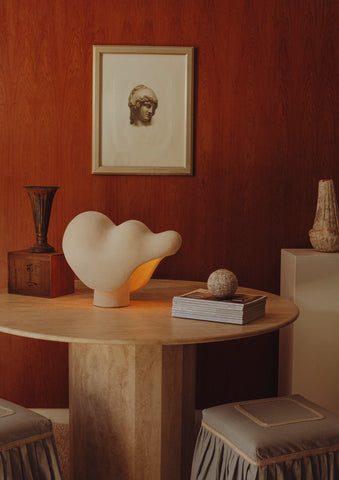
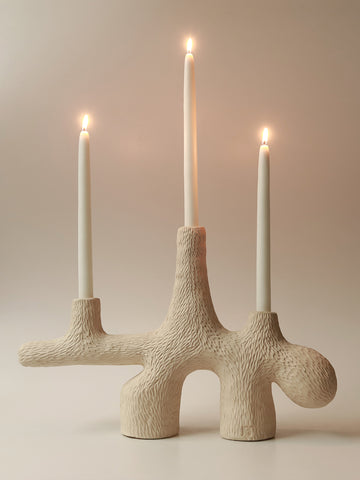
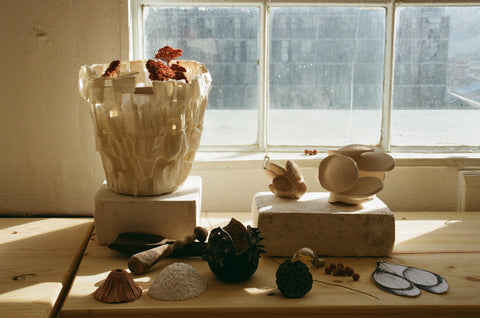
Andile Dyalvane, Atang Tshikare, Christine Jacobs, Dylan Lewis, Jan Ernst, Stanislaw Trzebinski
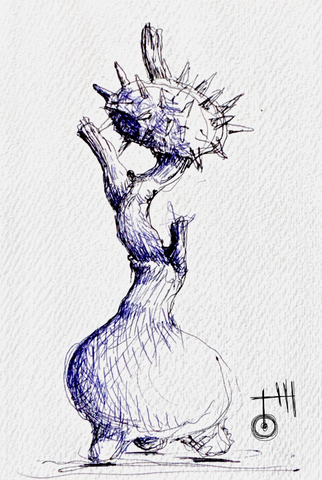
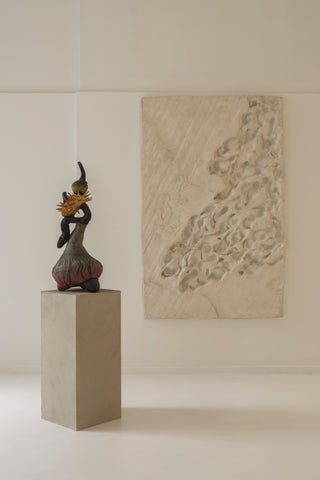
Andile Dyalvane
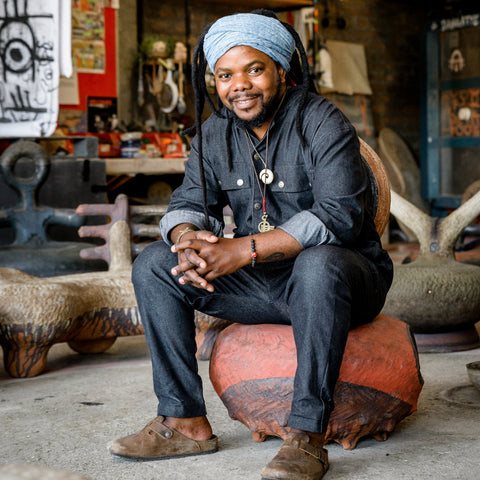
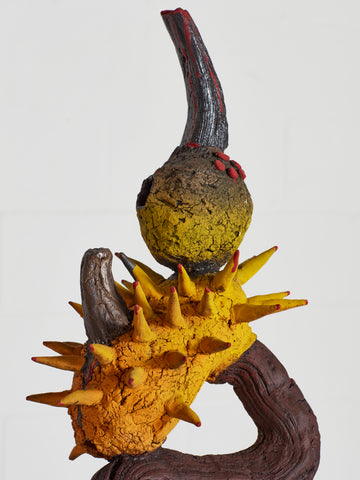
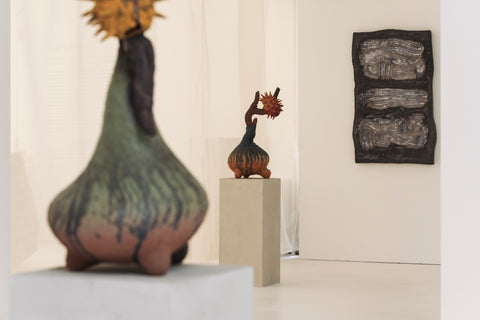
Andile Dyalvane is one of Africa’s leading ceramic artists, whose sculptural practice is deeply rooted in ancestral spirituality, cultural memory, and the transformative power of clay. Guided by an unwavering connection to his Xhosa heritage, Dyalvane’s monumental ceramic works serve as vessels— not only of form, but of healing, storytelling, and gratitude.
Born in 1978 in the rural village of Ngobozana near Qobo-Qobo in South Africa’s Eastern Cape, Dyalvane’s early life was shaped by the land—farming and tending to cattle—experiences that cultivated a profound sense of place and identity. His chosen medium, clay, or umhlaba (mother earth), is a sacred material to him: a direct link to the soil, to memory, and to the spiritual world. In his hands, it becomes both language and lineage.
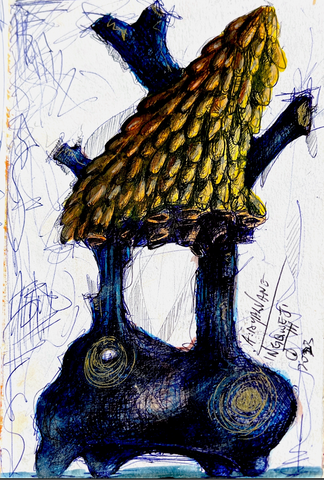
Dyalvane studied Art and Design at Sivuyile Technical College in Cape Town and earned a National Diploma in Ceramic Design from Nelson Mandela Metropolitan University in 2003. In 2005, he co-founded Imiso Ceramics with fellow ceramicist Zizipho Poswa. The studio has gained international acclaim for its hand-crafted tableware and vessels, where Dyalvane developed his signature technique of incised surface markings—a motif inspired by traditional African scarification and continued across his sculptural practice.
Through his intricate carvings, grounded forms, and sacred symbolism, Andile Dyalvane creates art that speaks across generations, honouring indigenous knowledge systems while navigating the complex terrain of identity, belonging, and transformation.
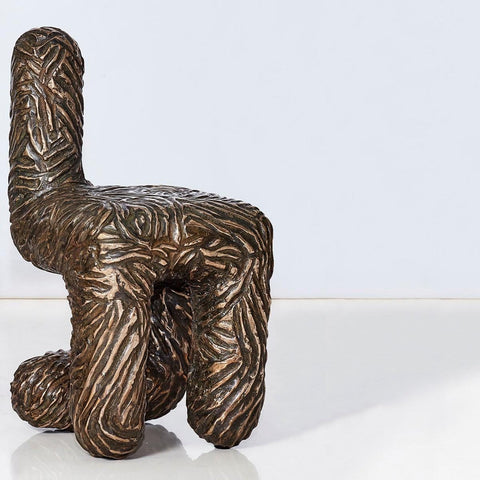
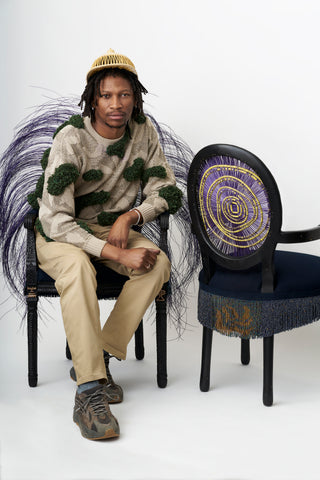
Atang Tshikare
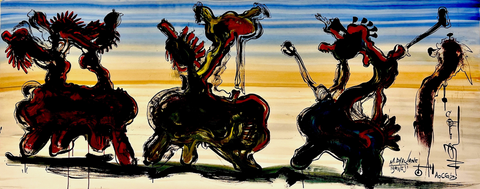
Born in Bloemfontein in 1980, he was influenced from a young age by the visual storytelling and graphic style of his father, an anti- Apartheid activist and illustrator for various pan-African publications and art magazines.
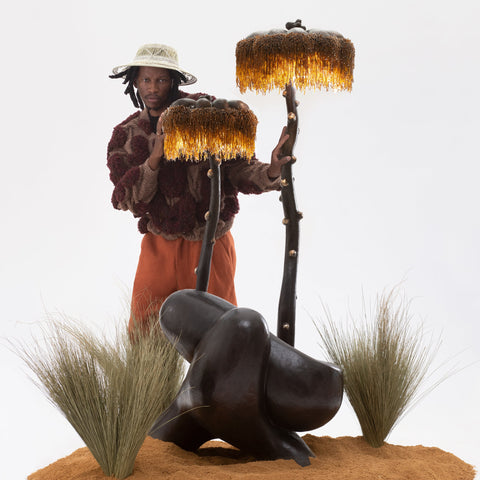
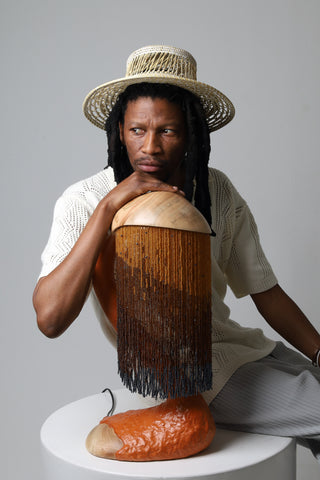
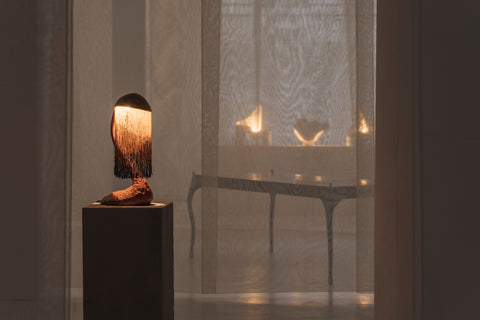
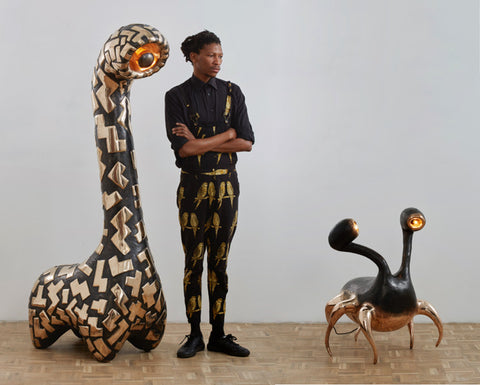
Over the last twenty years, Atang’s practice has evolved from street art and drawings to limited edition collectible design, intersecting narrative-laden sculptural furniture and functional art. Tshikare expresses his distinct visionary African identity through a unique visual language. His work to date has sprung from the dynamic negotiations between an urban dialogue emerging in contemporary art and design consciousness across the globe.
Tshikare’s intuitive sense of primal matter is rooted in his Tswana heritage and Southern African cultural knowledge. His experimental approach to creating work includes various mediums, such as bronze, ceramics, stone, and wood. Atang’s work takes inspiration from his fascination with zoomorphic shapes, biomorphic forms, vernacular architecture, and local landscapes. Each form strikes up a dialogue between natural and man-made materials that are organic and minimalistic, inviting tactile curiosity.
Founding Zabalazaa Designs in 2010, Atang has collaborated with local artists and worked on commissions for companies such as Chimurenga Magazine, Adidas Originals, BMW, MTV Base, Belvedere Vodka and Nandos, to name a few. He is a recipient of the Future Found Award by Southern Guild Design Foundation in 2014 and the M & G Top 200 Young South Africans in 2015. He was a judge for the Elle Decór Solve Competition (2015) and the Dezeen Awards (2019).
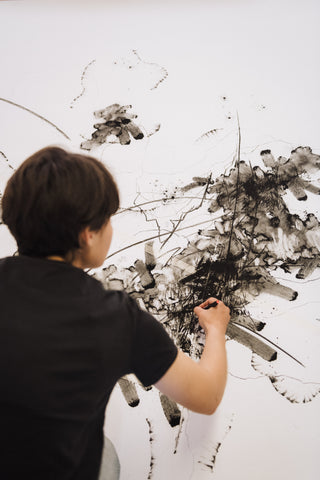
Christine Jacobs
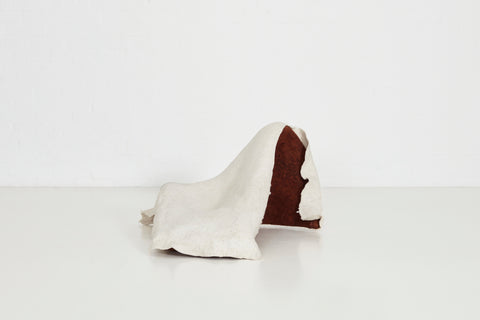
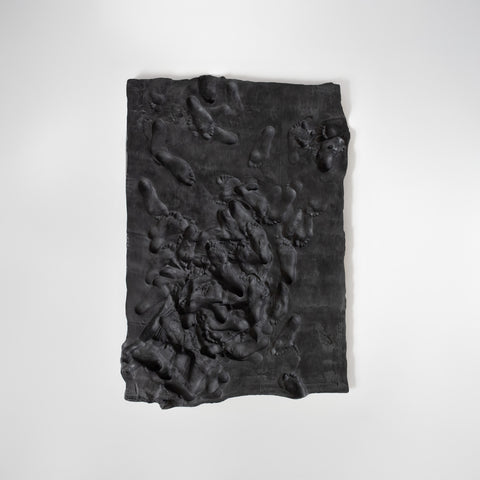
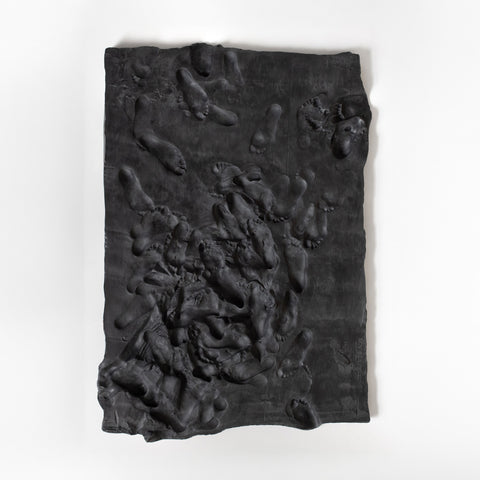
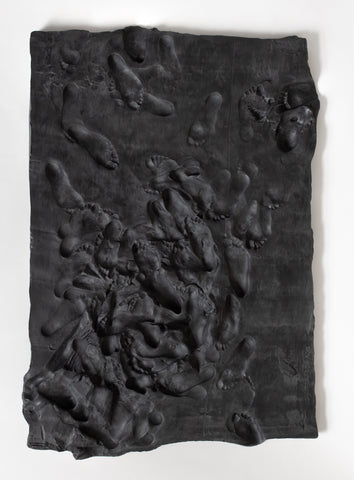
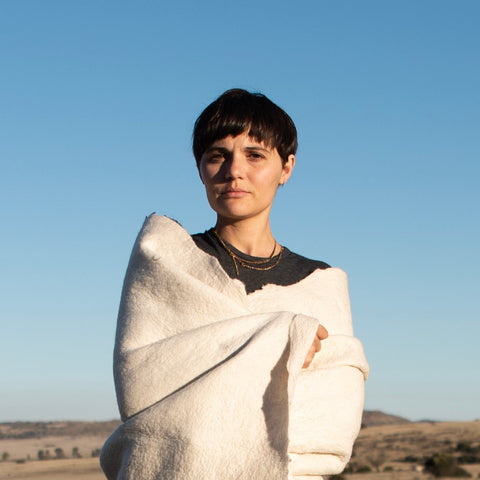
Born in 1992, Jacobs completed a fine art degree at the University of Stellenbosch in 2014. For three years thereafter she explored functional form as an assistant to interior designer Joan Viljoen. In 2016 she launched her own range of furniture, the Jacobs Collection TM, at 100% Design South Africa and was selected as a Design Indaba Emerging Creative in 2019.
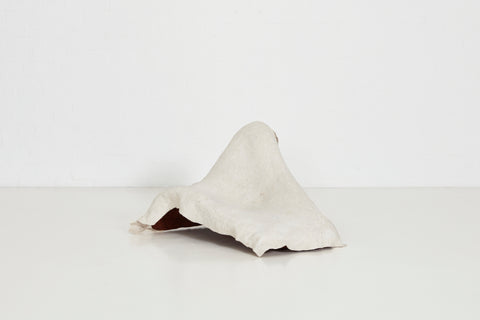
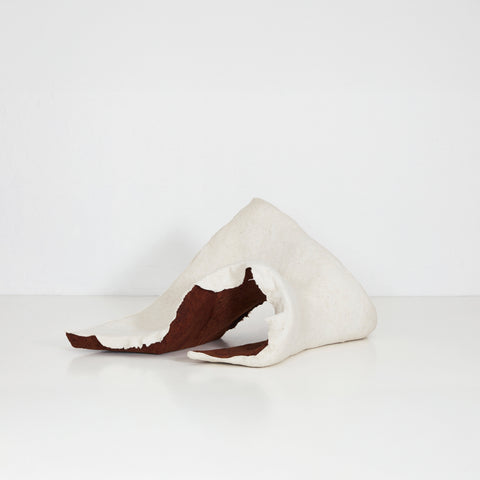
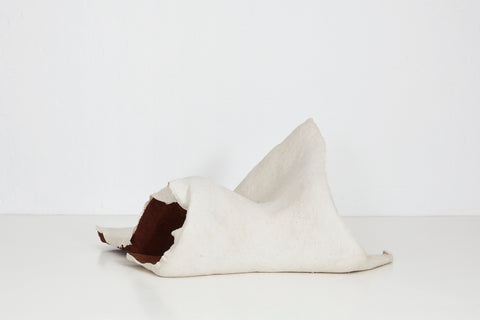
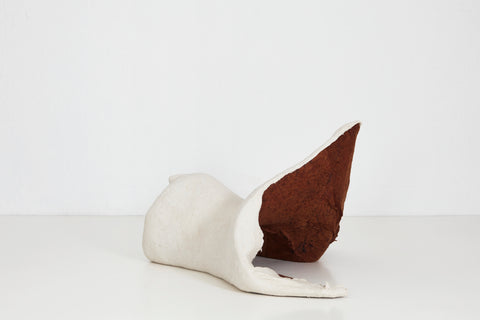
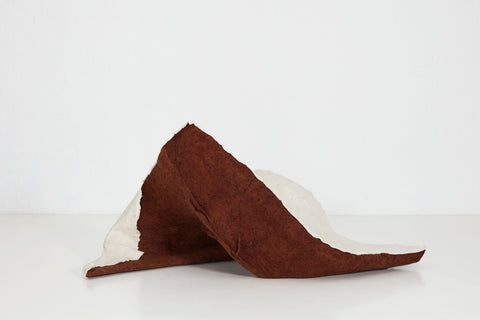
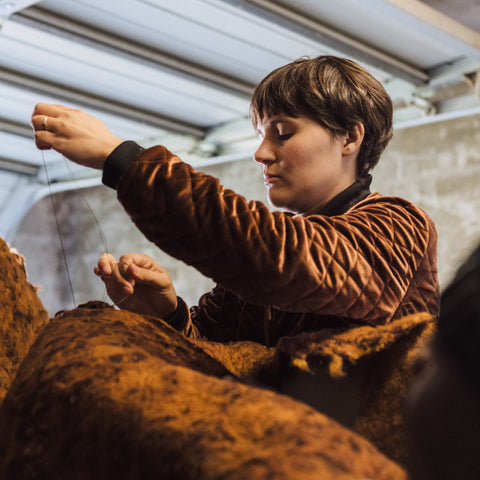
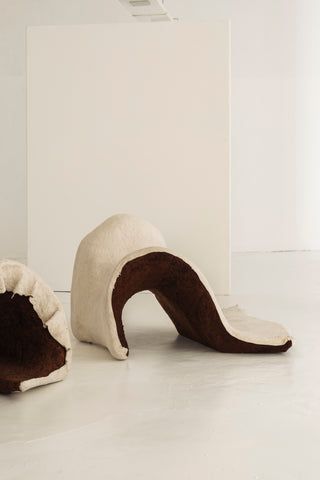
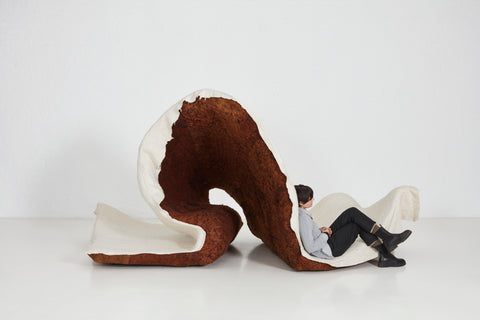
Christine Jacobs is a designer and fine artist who grew up on a sheep farm near the small town of Trompsburg in Free State province. Her family has produced Merino fine wool for international markets for six generations – a legacy that ignited her interest in the natural environment, the land and its human habitation. In both her design and artwork, Jacobs aims to create a traceable link and engender a deeper understanding of the relationship between products, manufacturing, craft and farming.
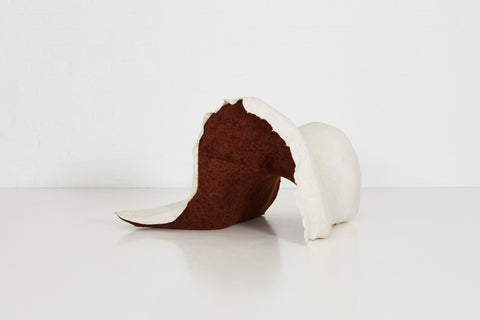
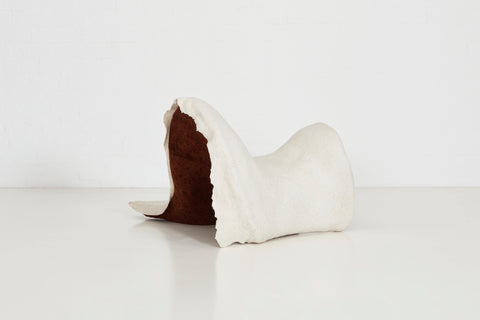
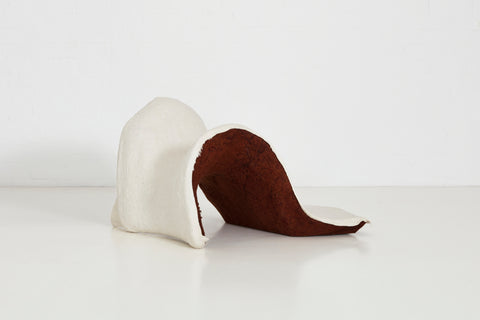
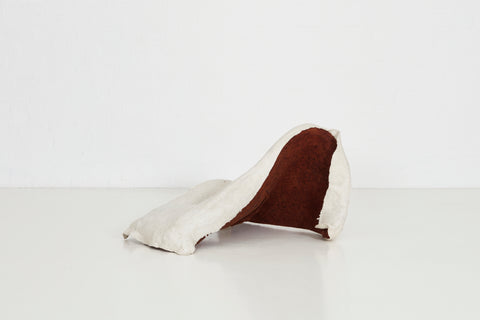
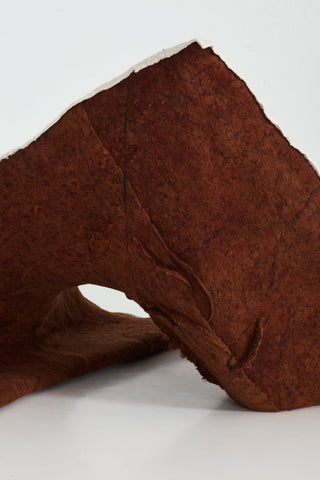
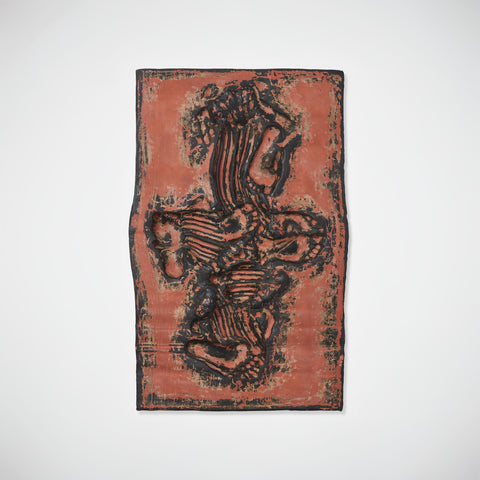
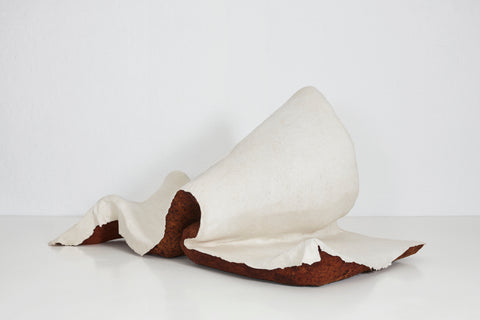
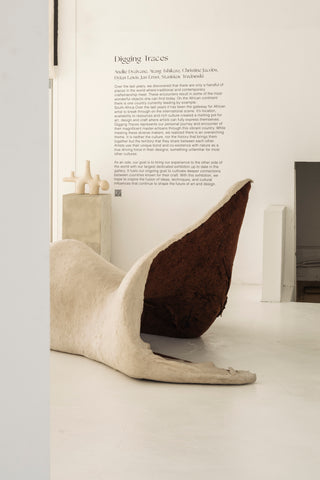
She returned to her artistic roots with the creation of Felt(veld)scape, first shown at the 2022 Investec Cape Town Art Fair and subsequently, at Spring Awakening, a monumental group exhibition at Southern Guild. Following that, she had works featured in On Lines and Lineage, another group show with the gallery held in the Cape Winelands at Cavalli Estate. Jacobs’ first solo exhibition with Southern Guild, Enfold, opened in October 2023. The presentation featured the artist’s largest body of sculptural felt works to date and a selection of expansive charcoal drawings. In 2024 she returned to Calvalli Gallery with a solo exhibition titled: Enfold: unearthing Her layers. Jacobs currently lives and works in Franschhoek.
Dylan Lewis
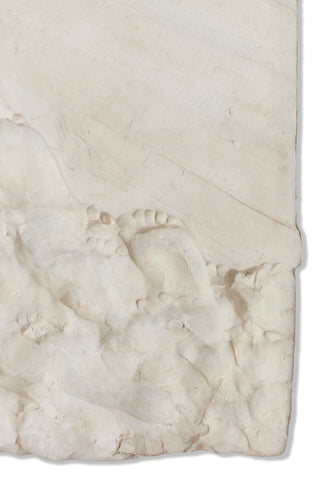
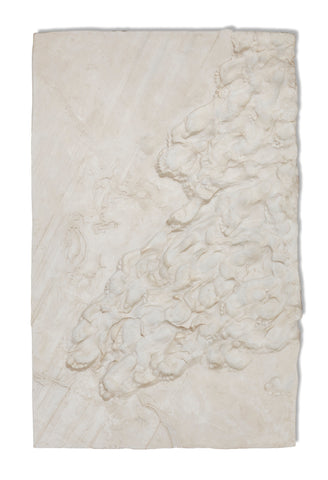
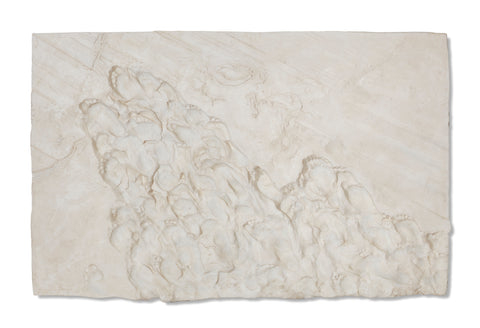
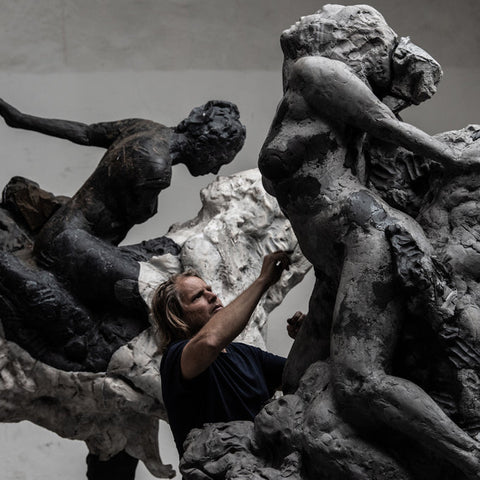
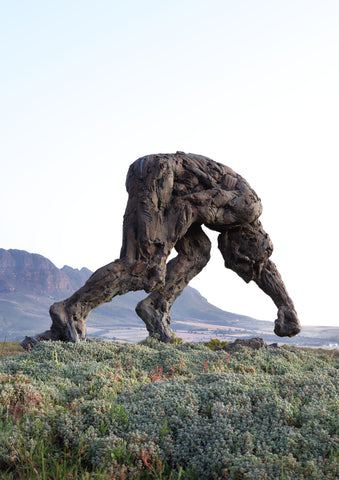
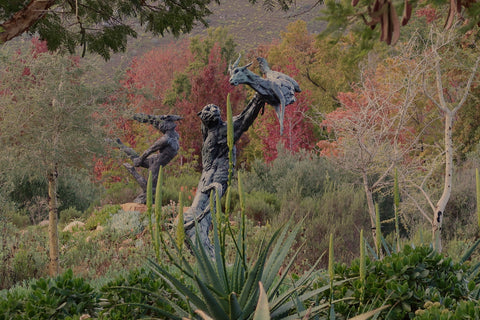
Dylan Lewis is a second-generation South African sculptor. Lewis’s international career spans two decades and includes exhibitions in Paris, Sydney, Toronto, Houston and San Francisco, as well as numerous one-man exhibitions in London, where he is among the few living artists to have held solo auctions at Christie’s.
A central project in the artist practice is the Dylan Lewis Sculpture Garden in Stellenbosch, a seven-hectare landscape that he personally shaped and filled with more than sixty monumental sculptures.
The artist in essence sculpted a flat canvas of land – with every metre of the seven hectare expanse shaped, articulated and moulded, and two excavator operators essentially serving as a de facto extension of Lewis’ own hands during the process. The artist had never sculpted on this scale before but found that the principles of the practice remained largely the same. ‘I felt like I was walking through a large surface of one of my sculptures,’ he notes. Applying the same techniques he would have done for a smaller work, he worked with the sightlines of the surrounding mountains – the garden forming part of a much larger composition that includes the landscape.
While initially sculptures were placed, replaced or moved until they settled into the garden, they have now become intertwined with the space, creating a dialogue – the landscaping informed the placement of particular sculptures, while the nature of Lewis’ sculpture practice informed the forms excavated and moulded into the earth itself. Unusual in the context of sculpture ‘parks’ or gardens, Lewis’ creation is a consciously composed work in itself, a philosophical framework, rather than merely a platform upon which to display his pieces. And while the hardscaping – pathways, hills, buildings - is now complete, the garden continuously evolves through seasons, the natural order of time changing the vegetation and the dynamic between nature and sculpture.
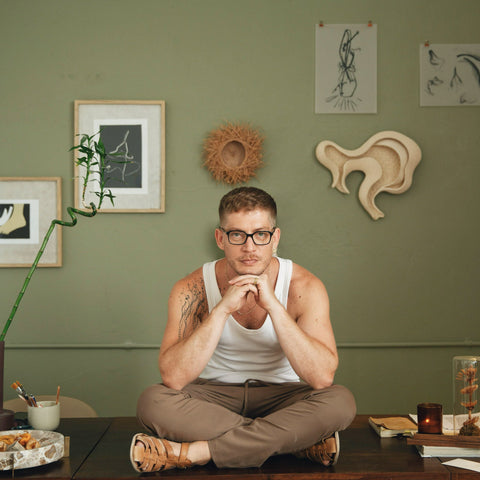
Jan Ernst
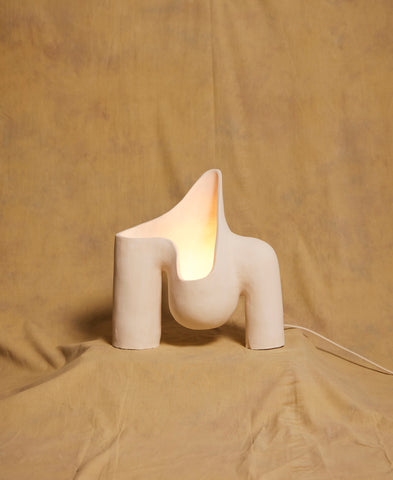
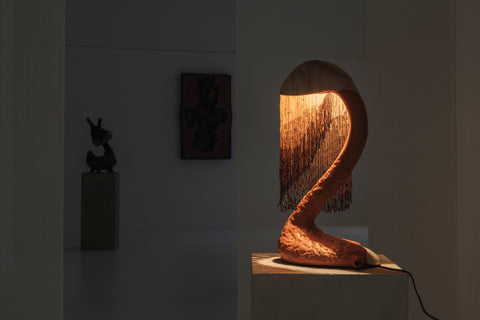
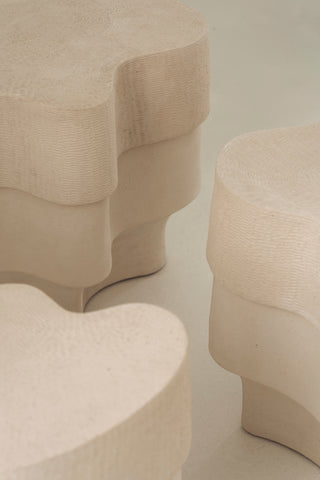
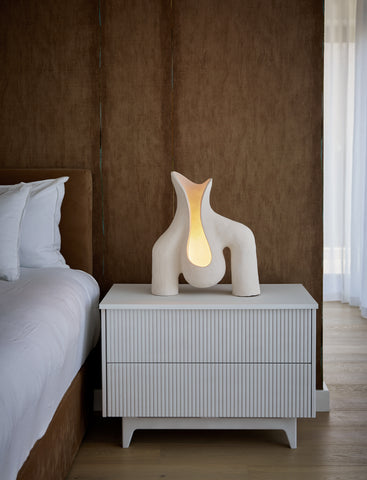
Jan Ernst is a South African multidisciplinary artist and designer best known for his organic, sculptural ceramics that blur the boundaries between functional art and spatial design. With a foundation in architecture, Jan’s work is deeply rooted in his abstract understanding of form, space, and texture, which he channels through clay—his signature medium.
His artistic journey began with a fascination for the South African landscape, shaped by a childhood spent moving across the country. These early experiences cultivated a strong connection to nature, which remains a central theme in his work. Initially drawn to creating textural pieces inspired by natural forms, Jan’s creative narrative has since evolved to explore the interrelationship between human beings and the natural world. Collections such as "Time Lapse" delve into philosophical concepts like the perception of time, while works like "Convergence" examine the energetic intersections of natural and human forces. Jan’s process is intuitive and non-linear, often involving a mix of model-making, sketching, and experimentation with diverse materials—ranging from clay and plaster to found objects and textiles. Though ceramics remain his primary medium, each project dictates its own material language, allowing him to push the boundaries of traditional craftsmanship.
Through his pieces, Jan Ernst invites viewers to reconnect with nature and discover the shared rhythms between organic forms and human experience, crafting a visual language that is both deeply personal and universally resonant.
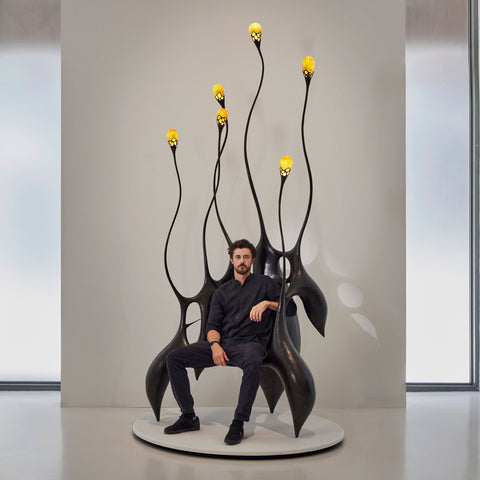
Stanislaw Trzebinski
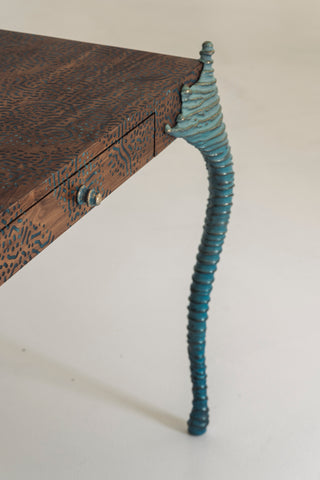
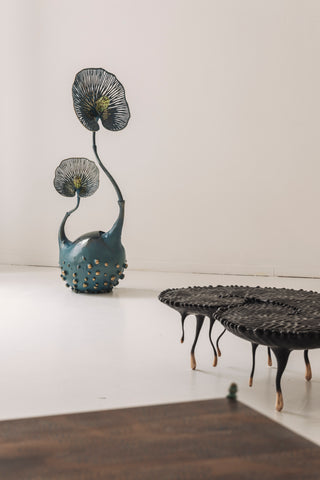
Stanislaw Trzebinski (b. 1992, Mombasa) is a multidisciplinary artist whose sculptural practicehas evolved from figurative bronze works into a genre-defying language of ecological futuremyth-making and cosmic inquiry.
Now based in Cape Town, Trzebinski draws from his Kenyan upbringing, a childhood steeped in the rawness of Indian Ocean rock pools, volcanic landscapes, and a deep spiritual connection to the natural world. His work traces a journey from the personal to the planetary and from intimate explorations of grief and memory to speculative futures shaped by climate anxiety, transformation, and childhood wonder.
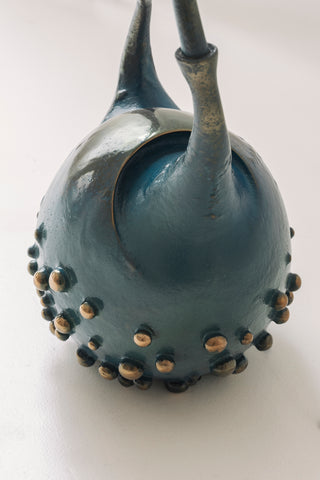
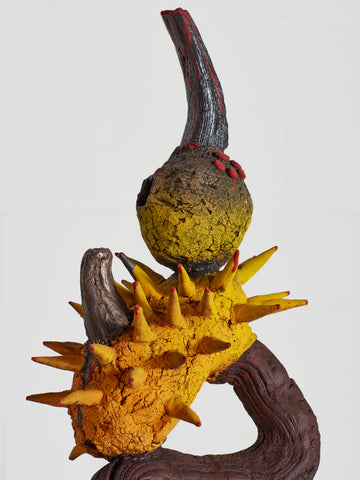
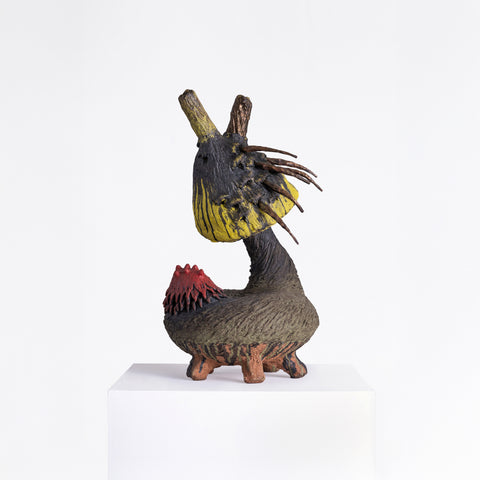
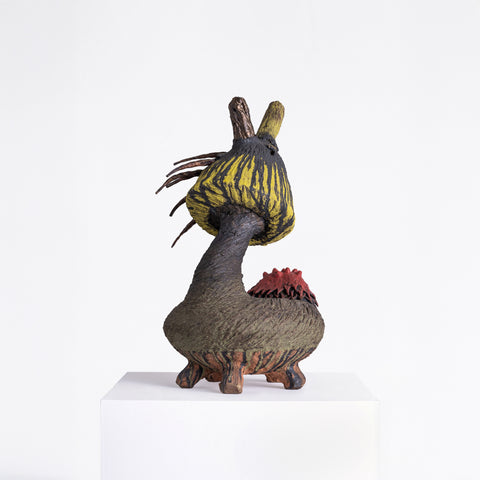
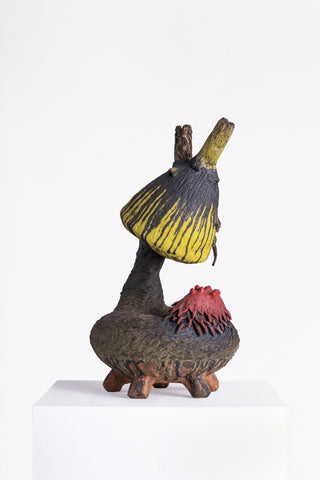
Initially known for his figurative bronzes, Trzebinski’s earlier works centred on the human body as a vessel entwined and at one with nature. In recent years, a decisive shift has occurred: the body has dissolved, supplanted by alien organisms, Turing patterns, and otherworldly structures. In Solastalgia (2022), he imagines a post-Anthropocene world rebuilding itself in the aftermath of environmental collapse, while in Exogenesis (2024), his focus turns outward — to the possibility of life seeded from the stars, and the mirrored architectures of the microscopic and cosmic.