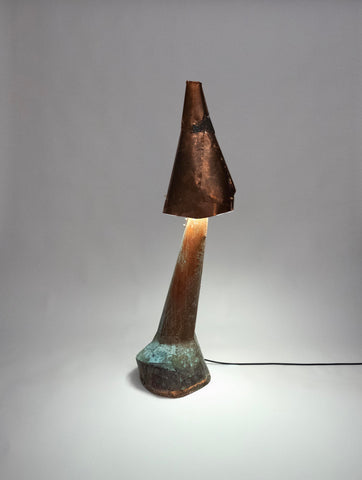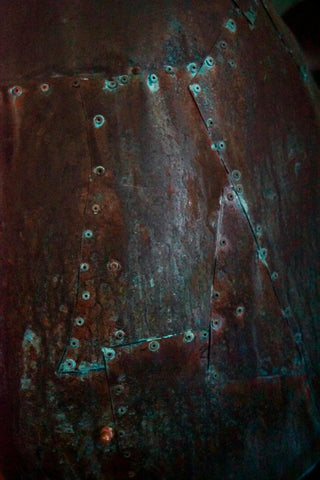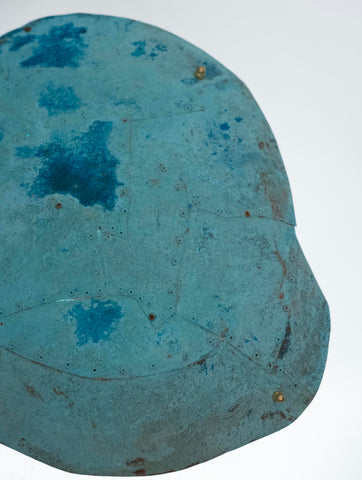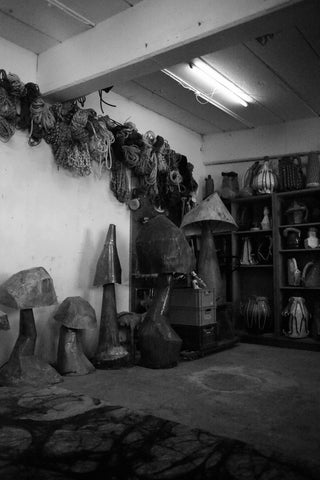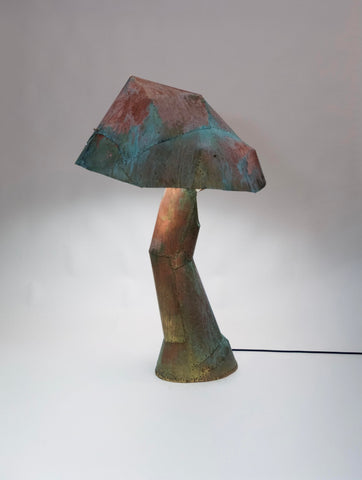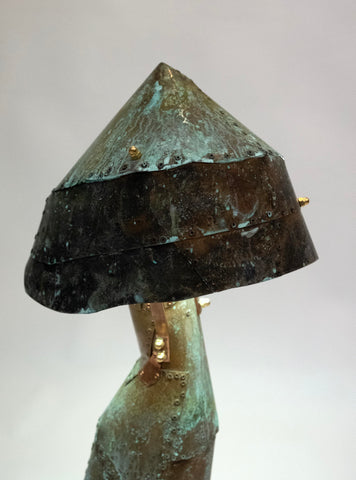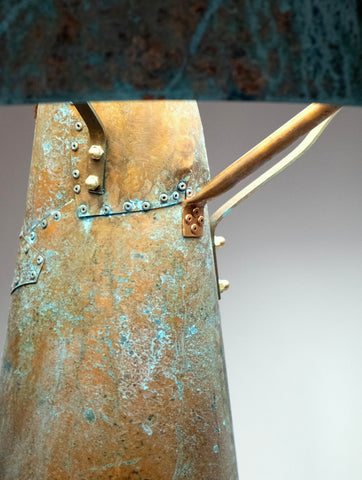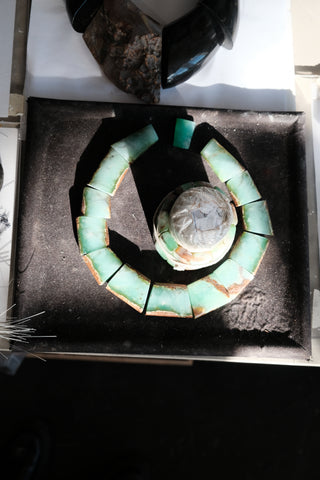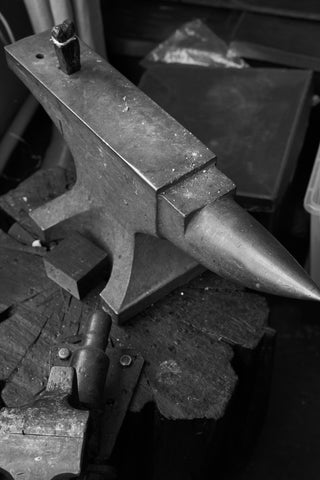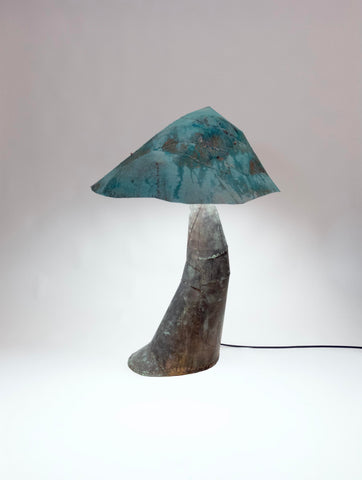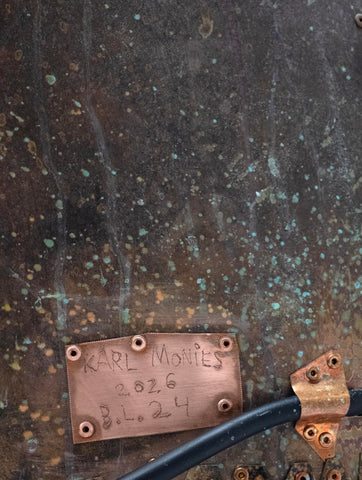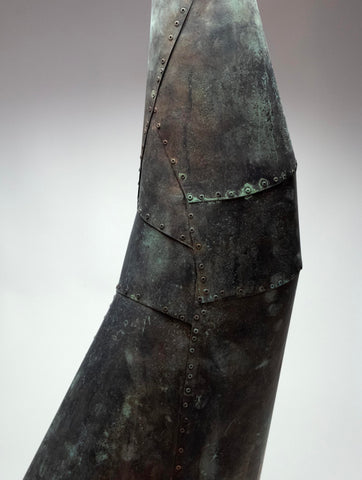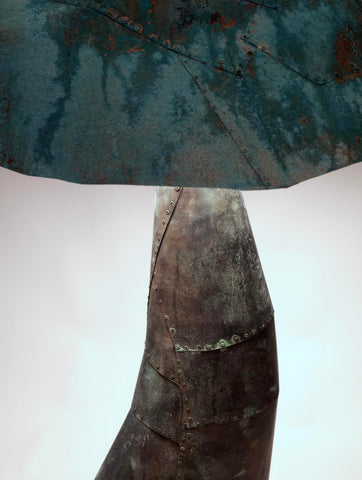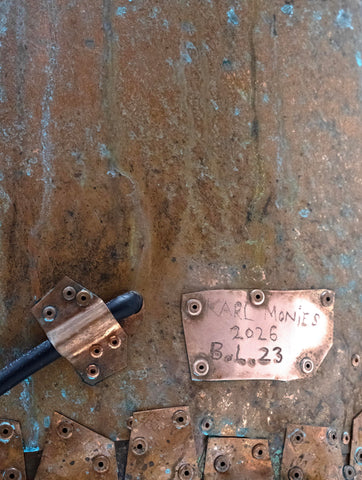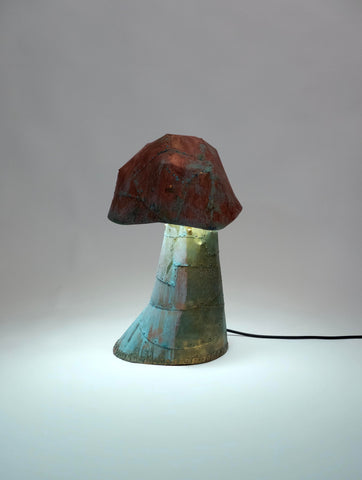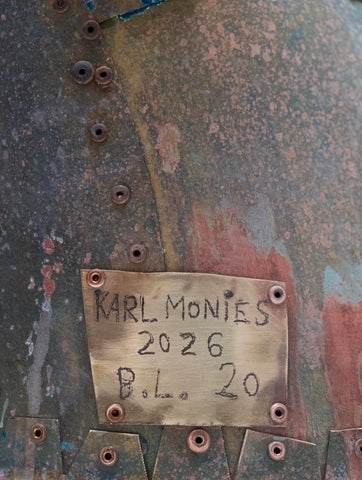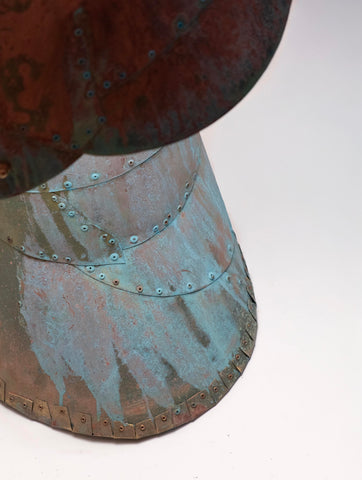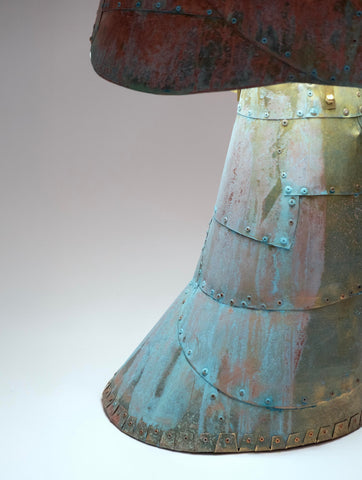

The pursuit of the uncharted runs through everything Karl makes. He is drawn to objects that resist easy classification, things that carry material memory and reveal rather than conceal the evidence of their making.
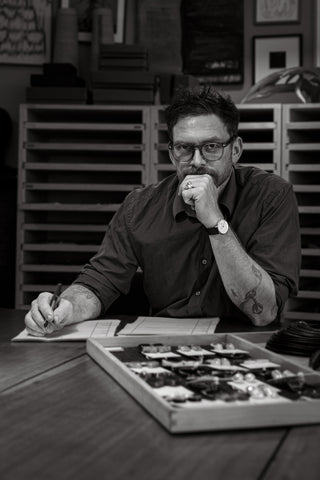
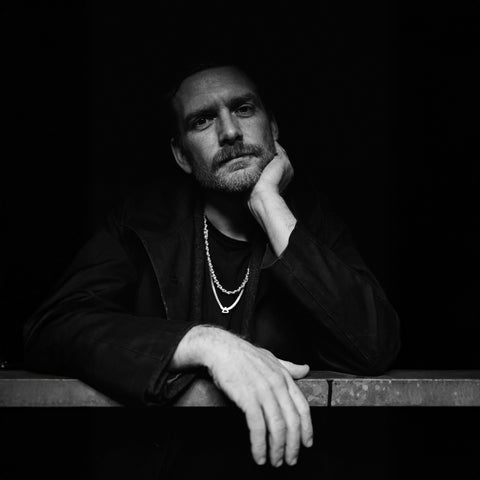
Karl Monies is a multi-disciplinary artist and designer from Copenhagen, Denmark. Magic in its earliest form is often referred to as ‘the art’. Monies believes that art, like magic, is the science of manipulating symbols, words, sounds or images, to achieve changes in consciousness, that art is the essential link between the inner landscapes of one’s psyche and the outside material world.
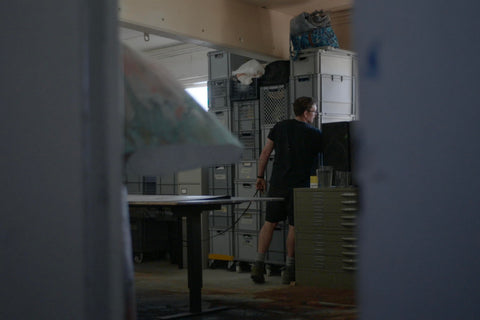
After studying painting in Amsterdam, London and Guangzhou, he felt an urge to activate the medium; to apply function to conceptual objects, a working method where idea and material are inseparable. He works in various dissonant series, where the common thread of material composition corresponds to historical and conceptual ideas. Where craftsmanship and methodology go hand in hand in a sincere vernacular that prioritises the playful and the naive while possessing a critical awareness.
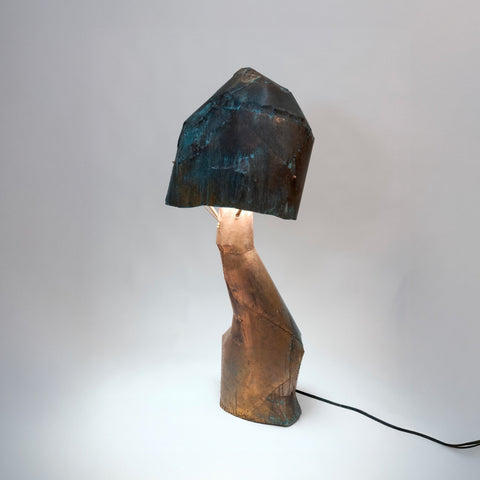
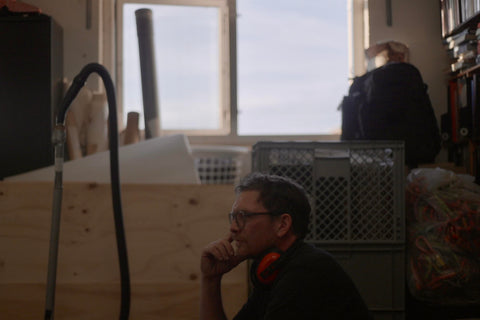
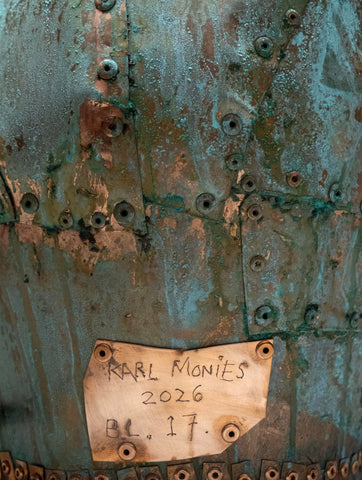
This pursuit of the uncharted runs through everything Karl makes. He is drawn to objects that resist easy classification, things that carry material memory and reveal rather than conceal the evidence of their making. His work aligns with a broader craft tradition that prizes honesty of material and directness of form, while remaining resolutely contemporary in ambition.
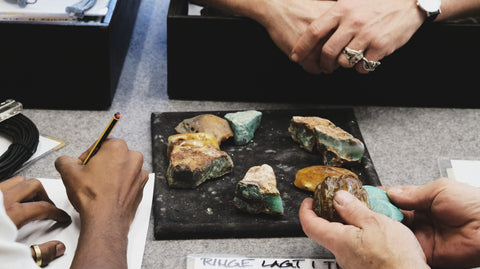
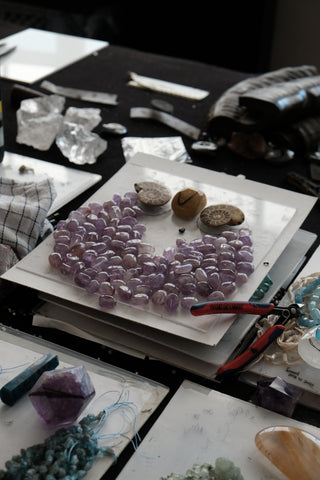
Alongside his independent practice as an artist, Karl serves as Creative Director of MONIES, a Copenhagen jewelry house started by his goldsmith parents, Gerda and Nikolai Monies in 1973. One of the most singular voices in Scandinavian jewelry, MONIES has always operated outside the conventions of fine jewelry: handmade, architecturally scaled, built from a variety of natural materials. Karl describes having a fluid, dualistic relationship to working across an eclectic array of materials like stone, amber, horn and wood, a sensibility that connects his work at MONIES to his broader artistic practice, and that makes the boundary between the two productively hard to locate.