Pickup currently unavailable
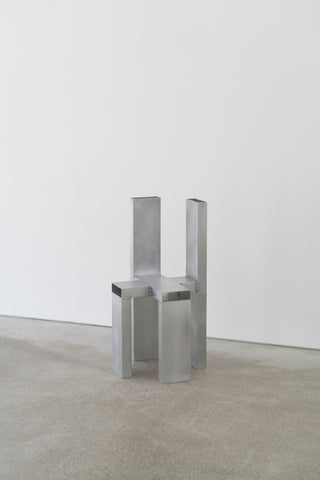
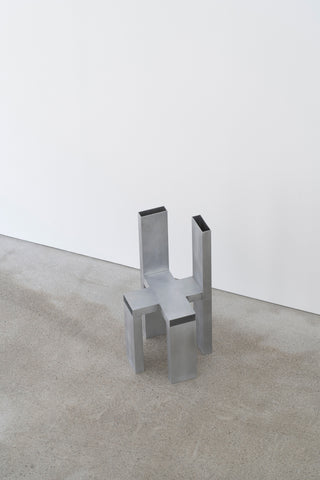
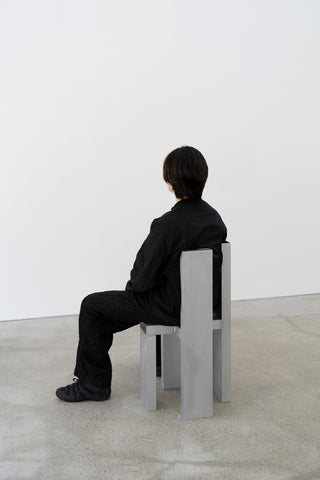
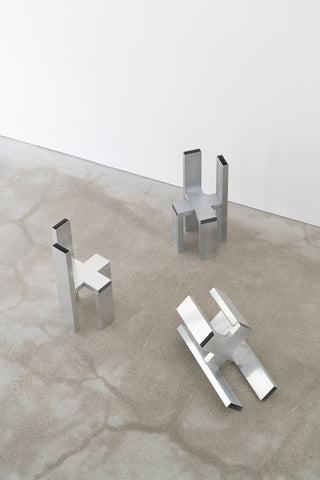
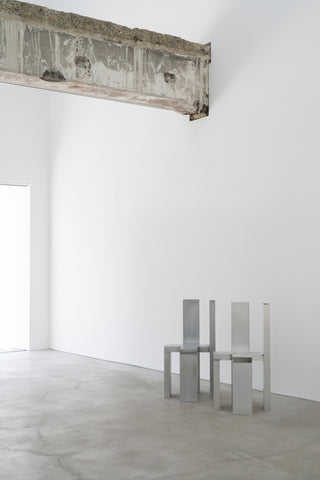
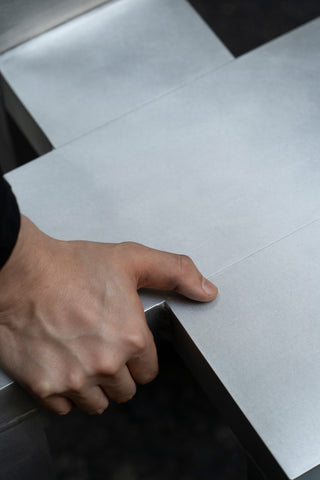
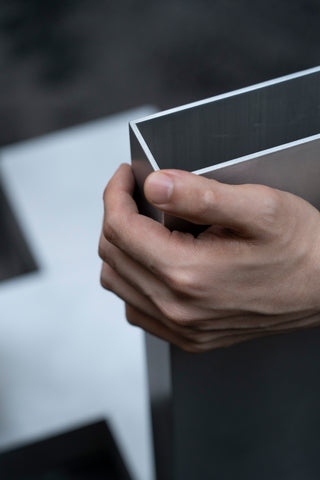
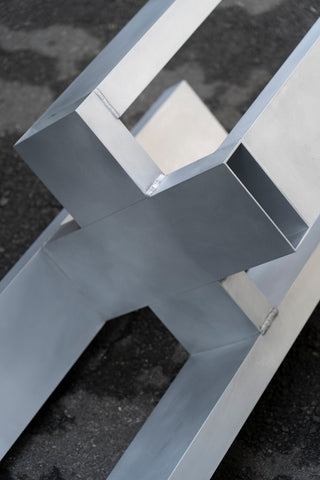
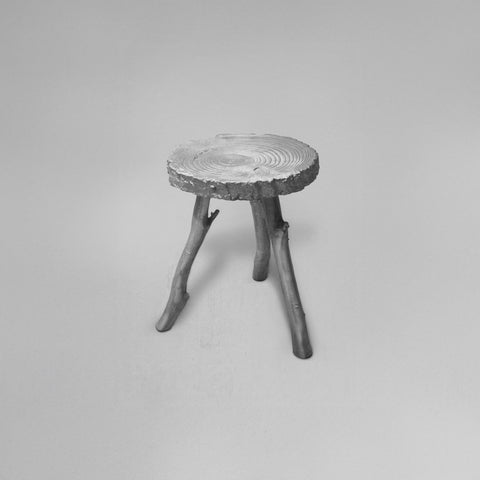
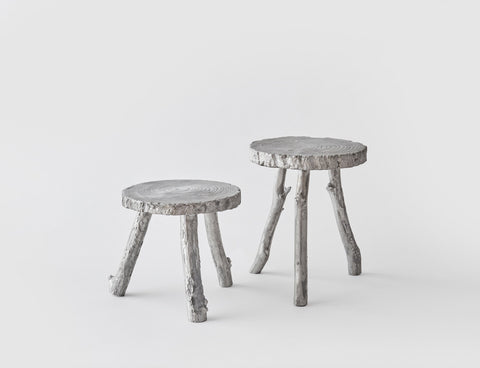
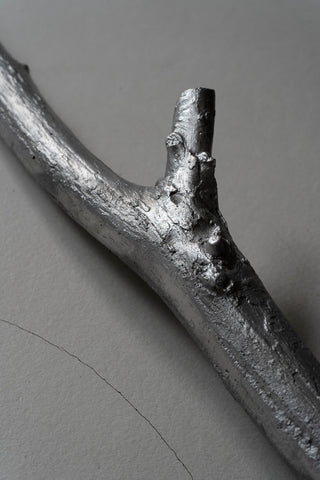
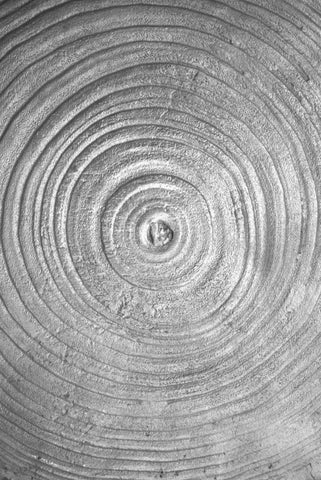
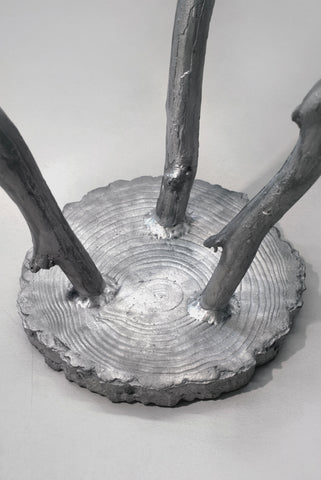
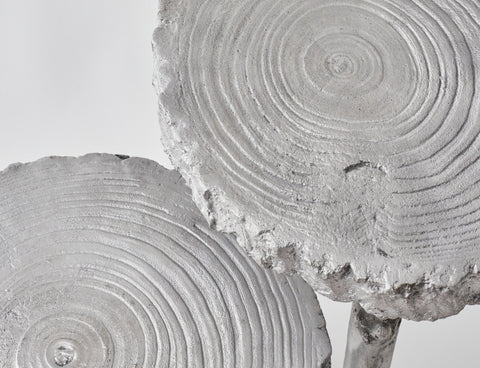
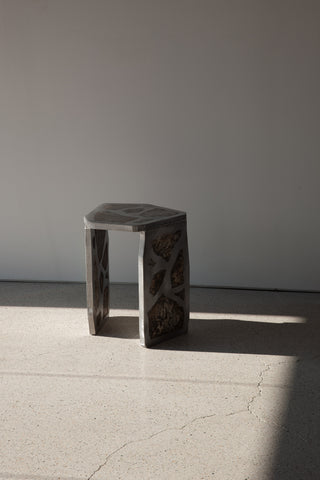
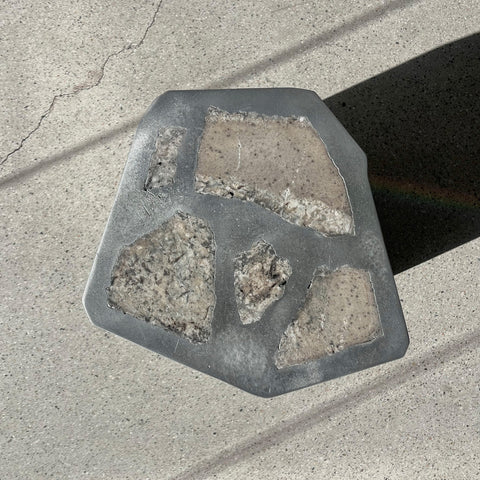
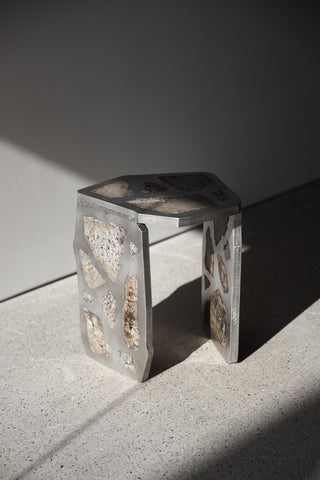
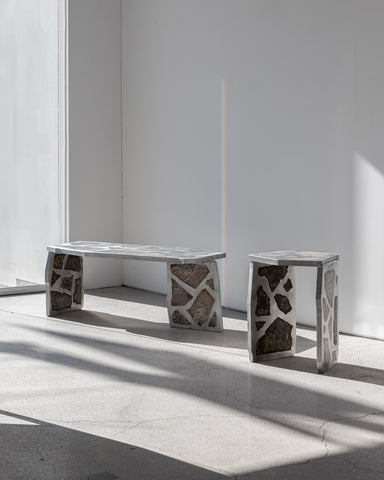
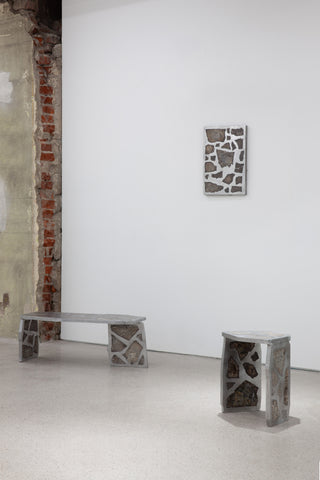
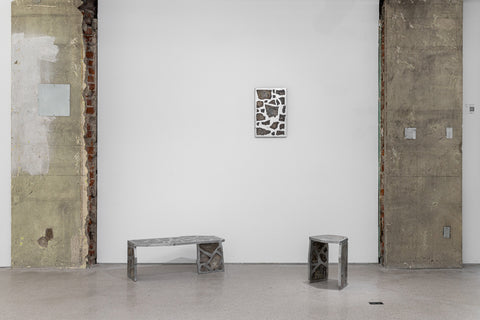
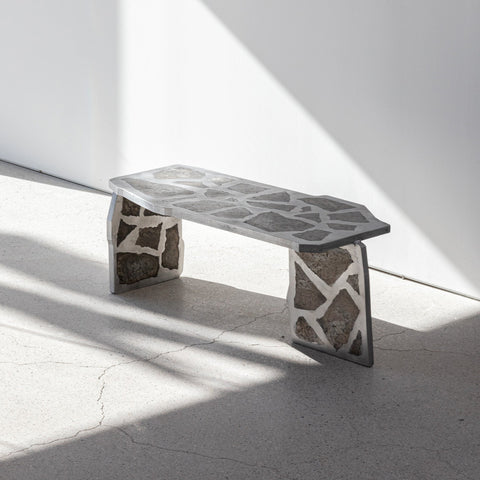
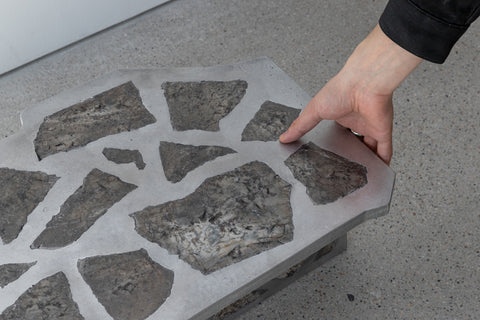
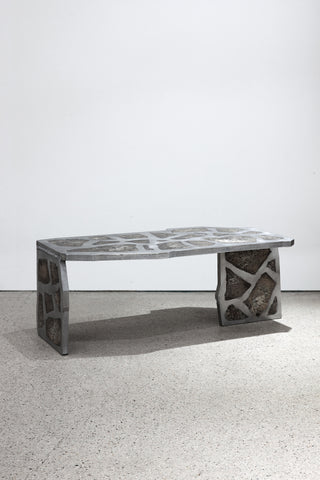
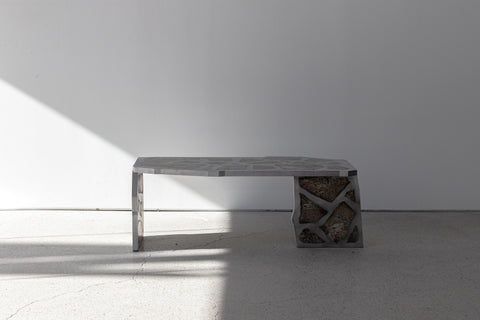
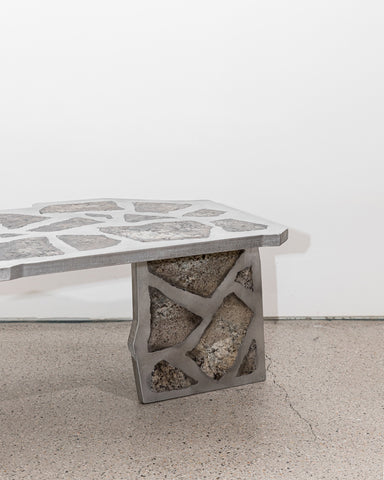
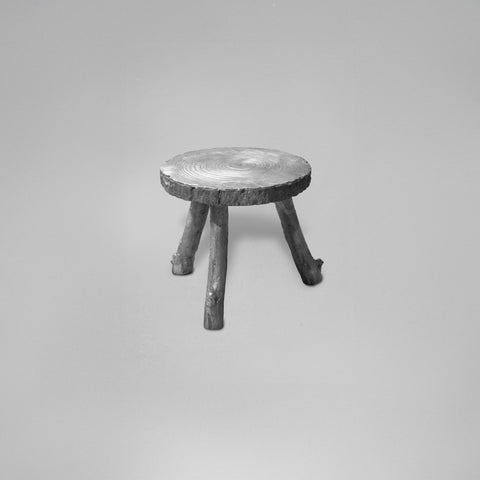
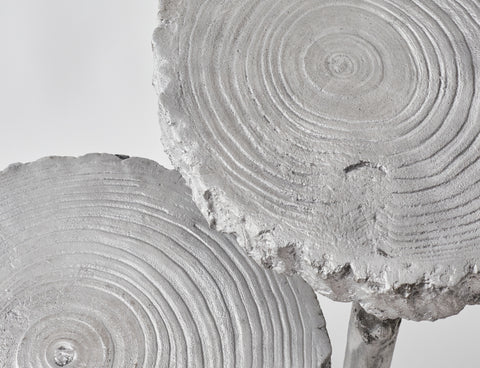
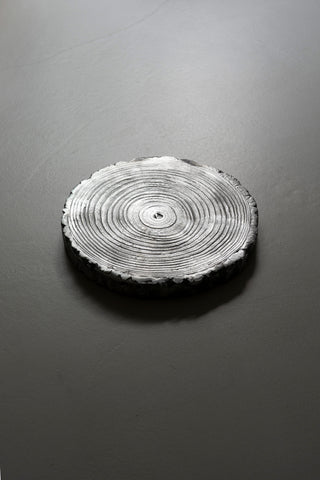
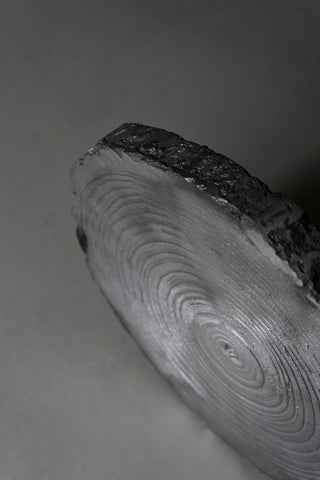
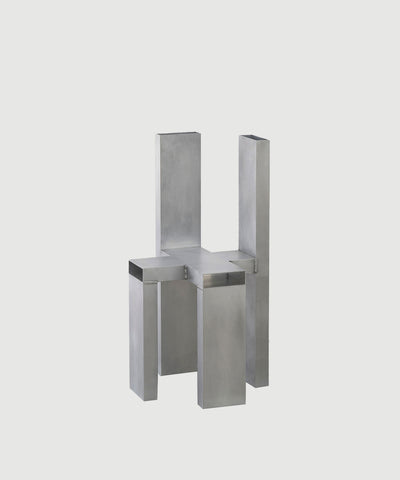
Material: Cast aluminium
Dimensions: W 35 x D 35 x H 29 cm
Weight: 10 kg
Slight variations and imperfections may apply due to a handmade production process. At OWN, we stand by these artistic choices and do not accept returns related to these intentional imperfections such as irregularities in stone or ceramics, patina on metal surfaces, wood cracking and more.
Design Year: 2022
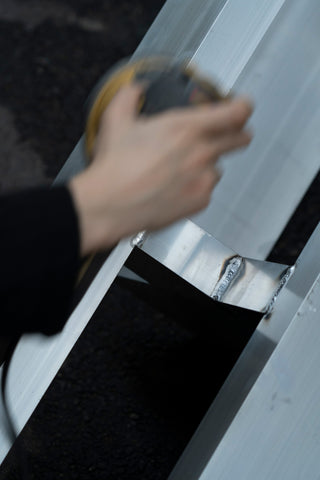
Handmade in South Korea
Images by Bailley Smith
Made to order
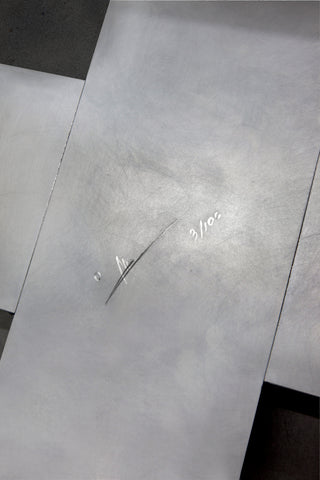
(Certificate of authenticity)
Request the information sheet
6 weeks
6 weeks
Please contact us for a half payment method: 50% deposit before the start of production + 50% when the object is ready to ship.
Please contact us for custom enquiries.


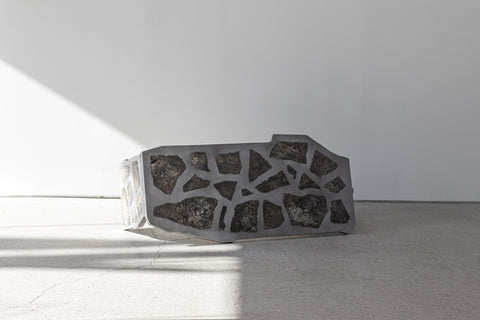
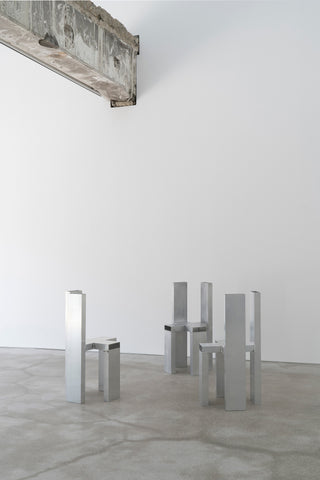
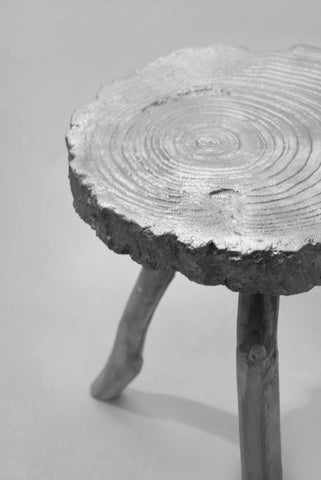
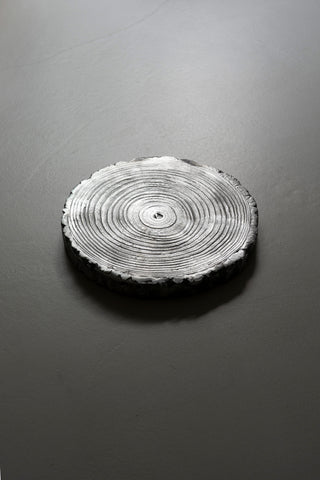
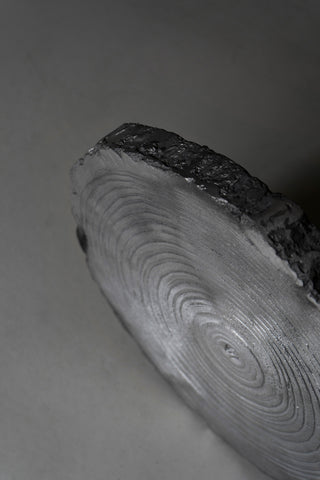
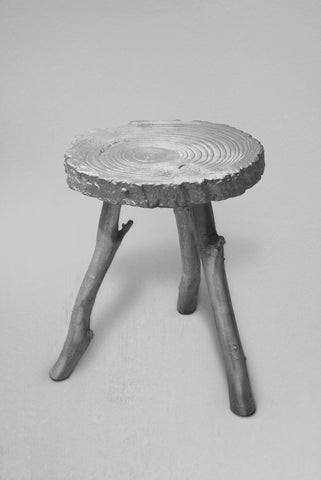
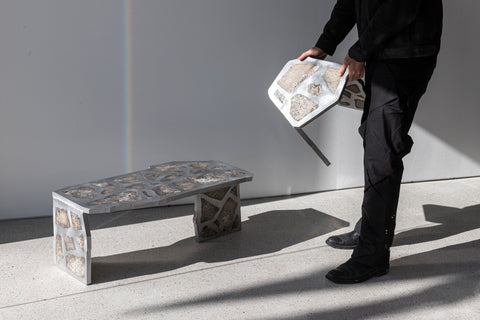
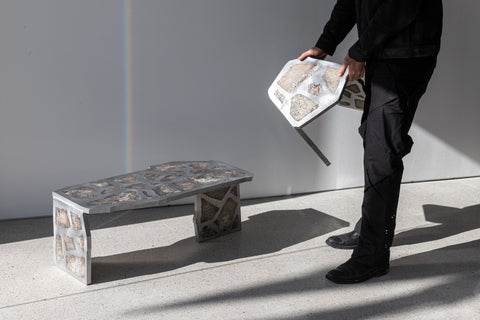
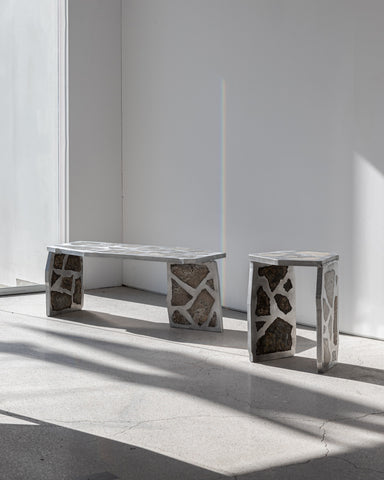
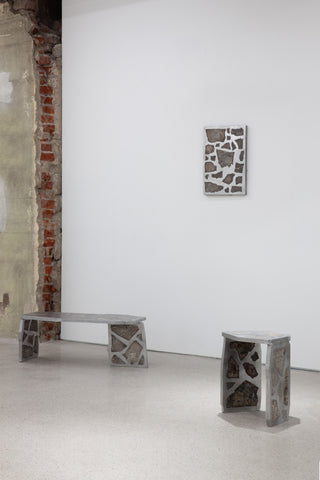
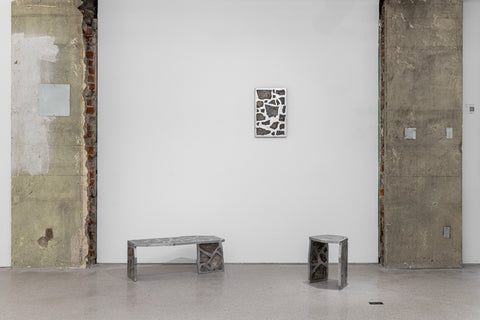
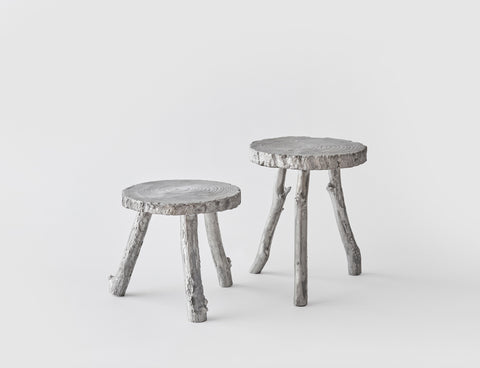
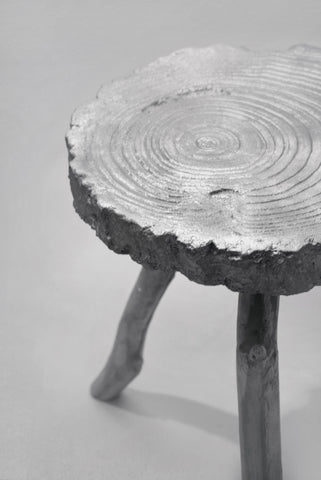
‹Neo-primitive› is an object that materialises the individual uniqueness of trees which represents nature by aluminium casting. This series shows the relationship between ambiguous boundary of primitivity and modernity / nature and artefacts.
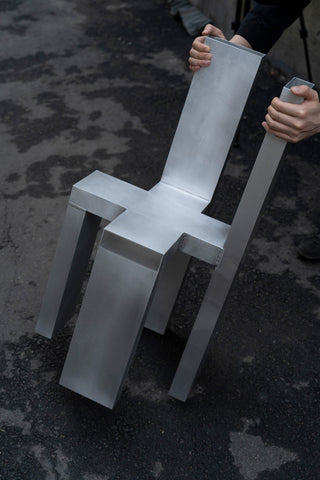
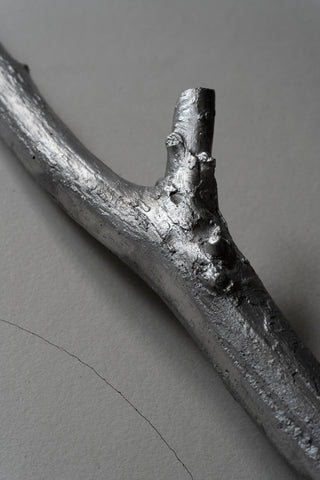
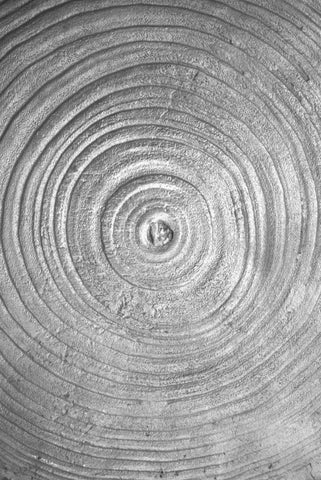
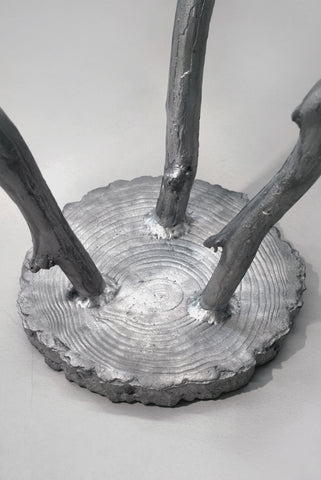
It consists of a series of sculptural objects, stools and chairs that are creatively carved using natural elements such as branches, twigs and even a tree trunk. The elements are sand-casted into aluminium versions, while preserving their shapes.
The results have traces of nature as itself, but are made of an unchanging material aluminium, which gives a paradoxical and mysterious atmosphere was made.
About the artist
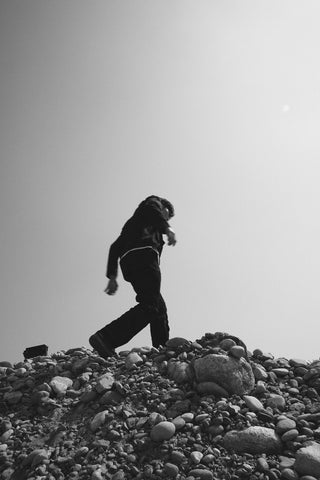
Sisan Lee(1995) is a designer/artist base in Seoul, South Korea. He majored interior design and makes various objects such as furniture, lighting and sculpture.
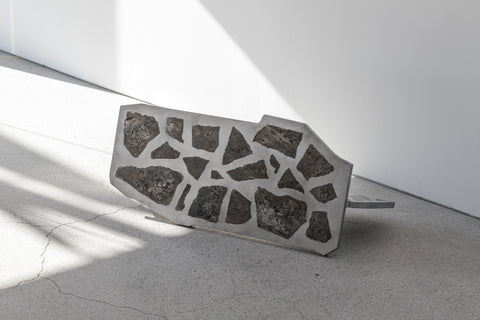
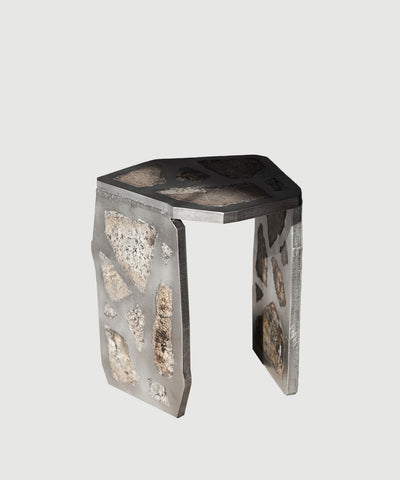
He became interested in nature while attending a university surrounded by mountains and rivers, and majoring in spatial design, he was attracted to the uniqueness of stones, that contrasts to fixed processes and standardized dimensions. He is inspired by the confrontational relationship between nature and artificiality, primitive and modernity, and tries to find a point of contact and incorporate it into his work. He explores various materials such as stone, wood, leather, and metal across nature and cities, and intentionally reveals the individual uniqueness and purity of materials through various methods of experiments. This value continues in the process of constructing the form, completing the results in the form of refined language based on the functional objects.